


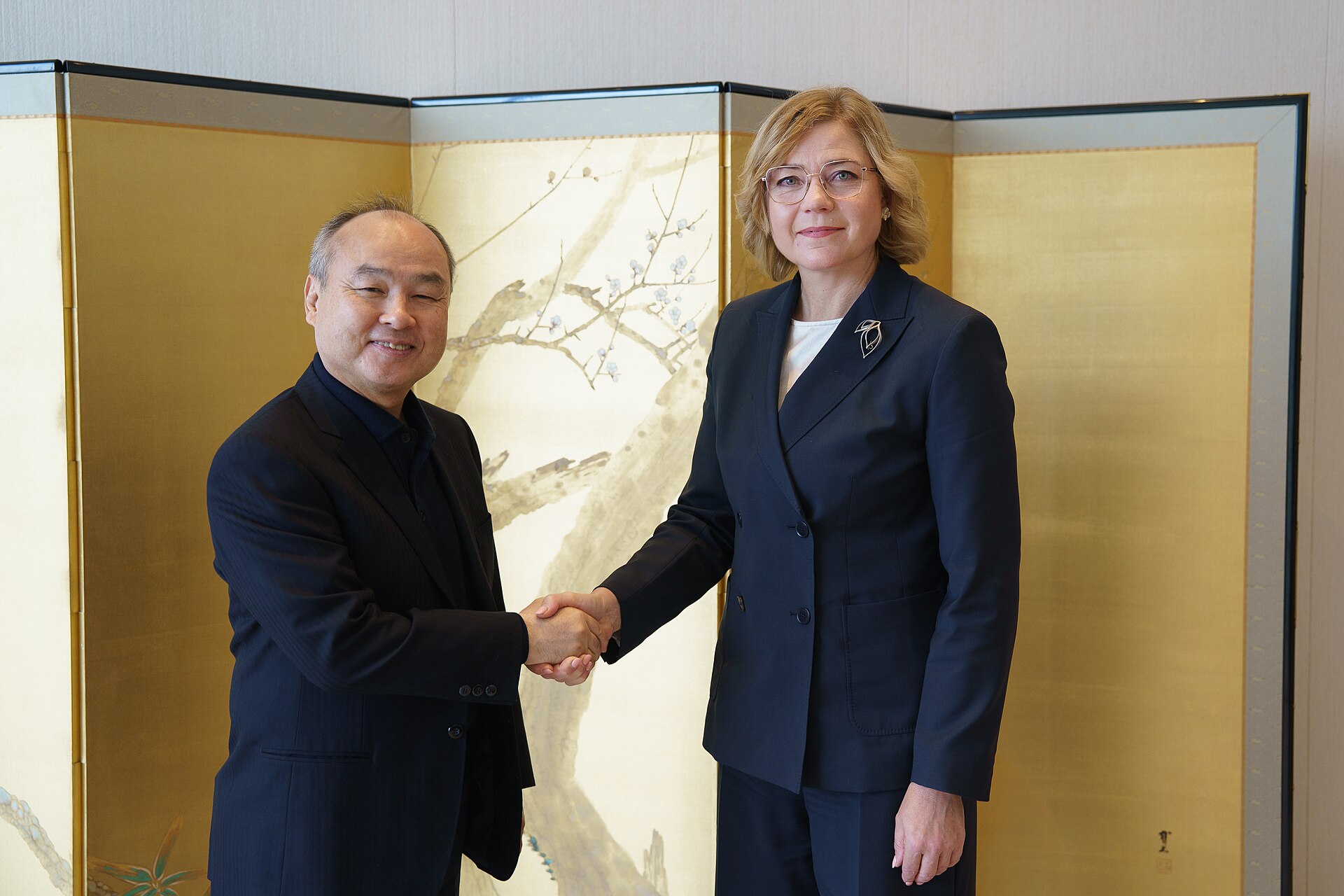
SoftBank Group is seeking to raise up to $100 billion from investors in the Middle East to create a new fund dedicated to artificial intelligence and robotics, according to the Financial Times. The initiative represents a strategic shift for the Japanese conglomerate, aiming to acquire established businesses and modernize their operations rather than funding early-stage technology startups.
Masayoshi Son, the founder and president of SoftBank, has approached senior figures in the United Arab Emirates and other Gulf states to secure the capital. The proposed fund would target companies that have not yet fully adopted advanced automation or AI technologies. The goal is to inject these tools into existing enterprises to improve their balance sheets and operational efficiency.
Shift from Startups to Established Firms
This new investment vehicle differs significantly from SoftBank’s previous funds, which primarily financed high-growth technology companies. The new model focuses on buying mature businesses and using AI and robotics to enhance their value. This approach is described as a novel method for generating returns from artificial intelligence by applying it to traditional industries.
SoftBank’s robotics and physical AI division, known as Roze, is expected to play a central role in these transformations. While specific details about the fund’s structure remain unclear, Son intends to eventually take Roze public at a high valuation. It is currently unknown whether the fund will finance only acquisitions or also support the development of Roze itself.
Financial Context and Risks
The push for this massive capital raise comes as SoftBank faces scrutiny over its $65 billion investment in OpenAI. The company’s financial health is closely tied to the valuation of OpenAI, which has not yet achieved high profitability. SoftBank has historically used internal resources, external capital, and borrowing secured by its stake in Arm to fund its investments.
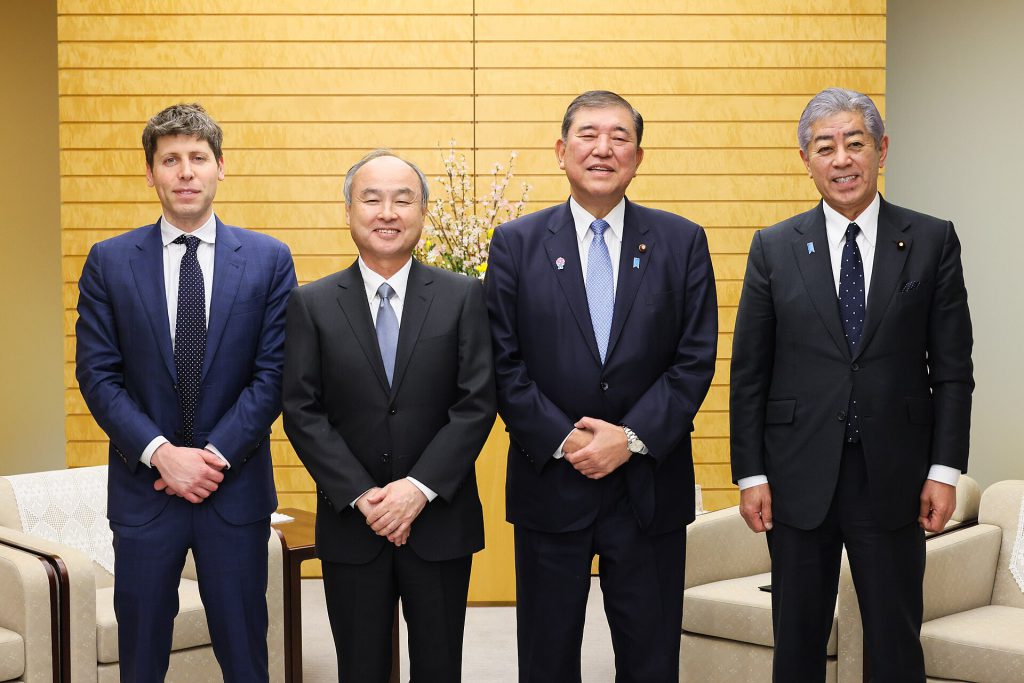
Recently, SoftBank issued more than $11 billion in junk bonds, marking the largest such issuance on record with yields reaching 9.75%. This indicates the high cost of borrowing for the company. As of June, SoftBank’s net asset value stood at 72.3 trillion yen, or approximately $456.57 billion. The company’s loan-to-value ratio was 13%, well below its normal operating limit of 25%.
However, a significant portion of SoftBank’s assets is tied to technology firms like Arm and OpenAI. A decline in the valuations of these companies could push the loan-to-value ratio to uncomfortable levels, even without additional borrowing. The company’s history includes both the massive success of Alibaba and the bankruptcy of WeWork, highlighting the volatility of its investment strategy.
SoftBank has a long-standing relationship with Middle Eastern sovereign wealth funds. Saudi Arabia’s Public Investment Fund and Abu Dhabi’s Mubadala participated in the original $100 billion Vision Fund launched in 2017. Vision Fund 1 has generated approximately $29 billion in investment gains, while Vision Fund 2, which holds the OpenAI stake, has returned $20.5 billion as of June.
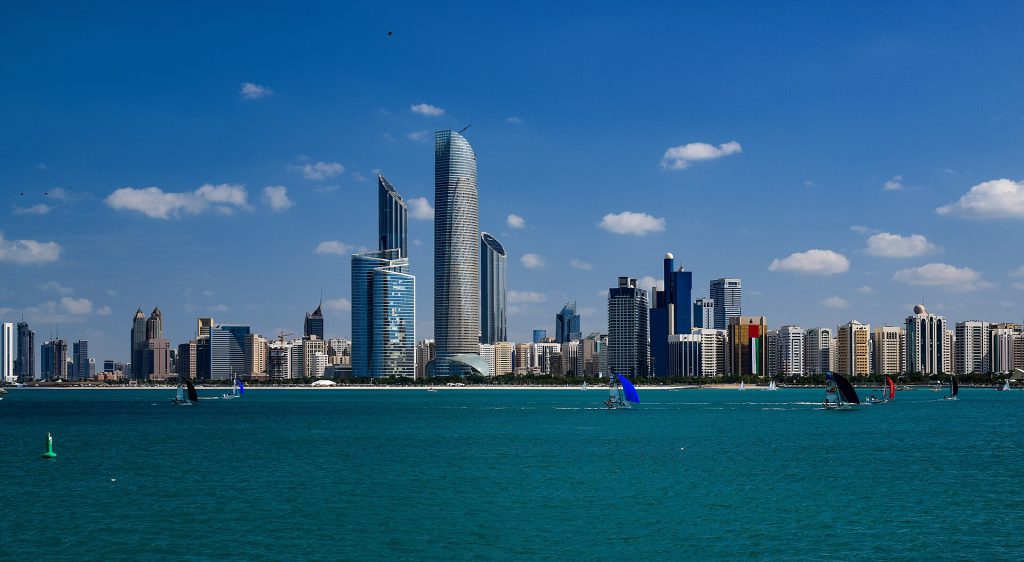
Abu Dhabi has also expanded its own AI investments through entities like MGX and G42. The new fund proposal aligns with the region’s broader interest in integrating advanced technologies into its economy. Whether the fund will be established and fully financed remains uncertain, as negotiations are still ongoing.
Source: Tom’s Hardware
