


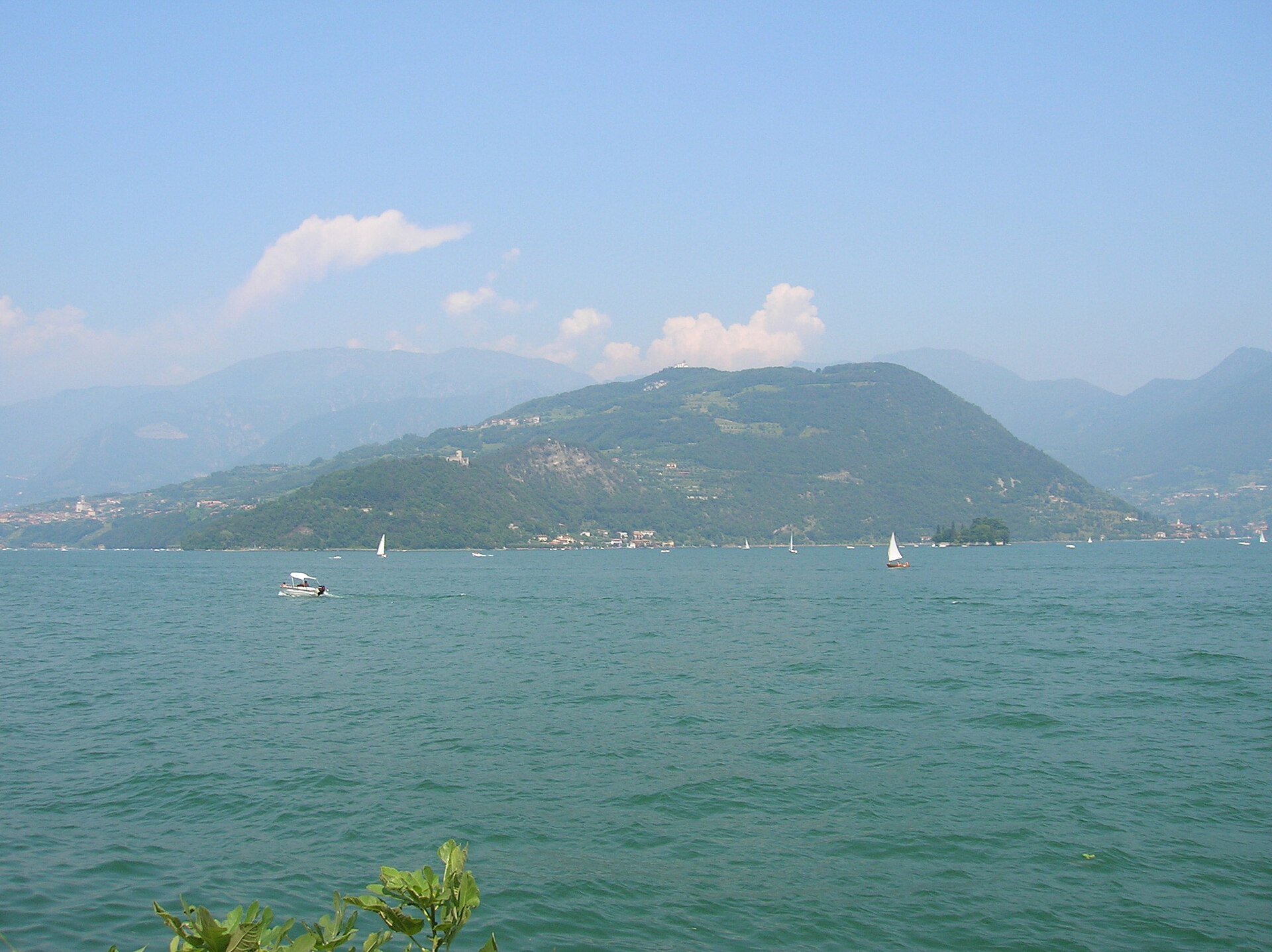
Monte Isola, the largest lake island in Italy, sits in Lake Iseo with a landscape defined by steep cliffs, dense forests, and fishing villages. The island is smaller and less visited than nearby Lake Como or Lake Garda, offering a quieter experience for travelers seeking outdoor activities. The most distinctive feature of the island is its strict car-free policy. Only three residents are permitted to own a vehicle: the priest, the doctor, and the mayor. Visitors must explore the island on foot or by bicycle.
Monte Isola cycling routes and village stops
Access to the island is via ferry from Sulzano, a short five-minute crossing to the port town of Peschiera Maraglio. The harbor is lined with striped wooden boats and numerous bike rental shops. Standard bicycles are available for approximately €4 per hour. The island features a circular lakeside route that is smooth and quiet, allowing for leisurely pedaling without the pressure of traffic or speed records. The roads wind past olive groves that descend toward the water.
The journey typically begins in the south-west at the hamlet of Sensole and moves toward Menzino. Cyclists can stop at local cafes for refreshments with lake views. The western side of the island offers views of the mainland, though a large concrete factory is visible in the distance. The route continues to Siviano, the island’s capital. The streets here are sleepy, with a skyline of pastel villas punctuated by the Santi Faustino e Giovita church and a medieval stone tower.
Monte Isola has been inhabited since Roman times. Venetian rule in the 15th and 16th centuries influenced the architecture, creating hillside terraces of wooden-shuttered villas similar to those found on other Italian lakes. In the late 18th century, net making became the island’s primary industry. At Retificio La Rete Srl in Siviano, fishing nets have been handwoven for centuries. The factory also produces nets for sports equipment, shopping bags, and hammocks.
Hiking Santuario della Madonna della Ceriola
The northern tip of the island provides the best views of Lake Iseo’s craggy mountains. The south of the lake features chalk-white bell towers and Franciacorta vineyards, while the north has jagged peaks that drop into emerald-green water. A small private island, Isola di Loreto, is visible just off the shore. Kayakers often launch from Marone to explore the calm waters near the private dock.
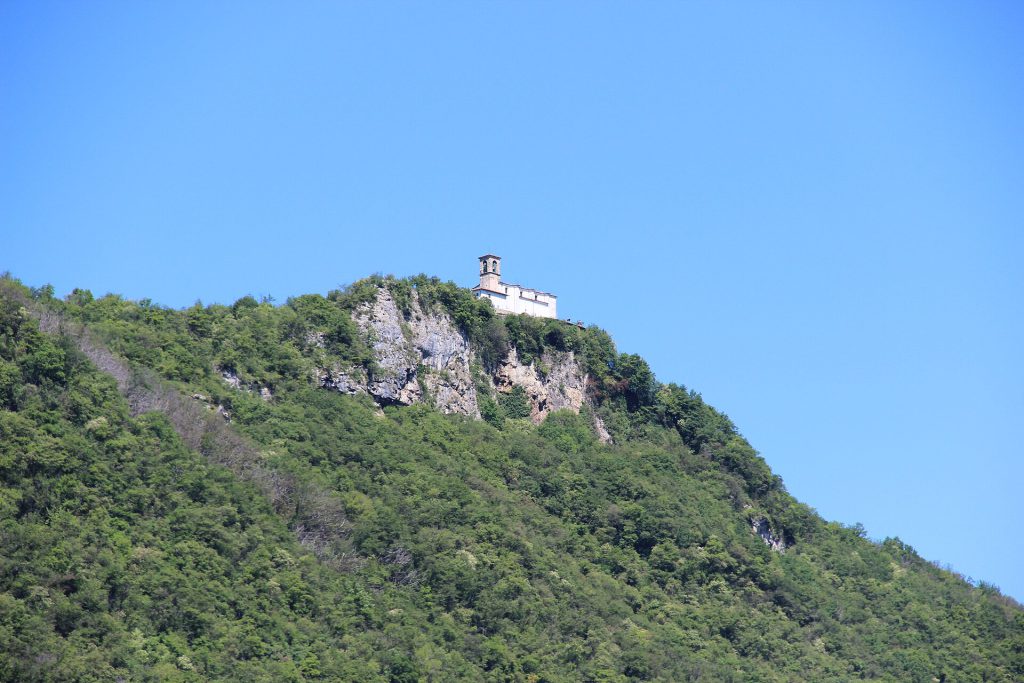
After cycling, visitors can hike to the summit of the island. The trail begins in Peschiera Maraglio and climbs 450 meters through a thick chestnut forest. The path is steep, with rocks and roots breaking through the ground and sheer drops on one side. The hike takes approximately one hour. The destination is the Santuario della Madonna della Ceriola, a white sanctuary built in the 13th century on the site of a pagan temple and early Christian chapels. The interior features a golden altar and frescoes, but the panoramic view from the exterior is the main attraction.
Food on the island reflects its history. A local specialty is sardina, which is served dried and salted on grilled polenta. According to local guides, sardina is not a sardine but a type of shad fish. The tradition dates back to the Middle Ages when Monte Isola paid taxes to Venice in salted fish rather than currency. Lunch options include lake fish dishes at restaurants like La Foresta in Peschiera Maraglio.
Accommodation on the island consists of private holiday apartments or rooms above restaurants. Decio is a modern bistro in Peschiera Maraglio that offers sleek bedrooms with lake views. Evening dining often takes place at casual spots like L’Isola dei Sapori, which serves local salami, olives, and Franciacorta wine.
Travel costs for the island are modest. The ferry from Sulzano to Monte Isola costs €2.60 each way. Trains from Brescia to Sulzano start at €4.10. Rooms at Decio start at €90 per night including breakfast. The trip was arranged by Visit Brescia.
Source: The Guardian
