


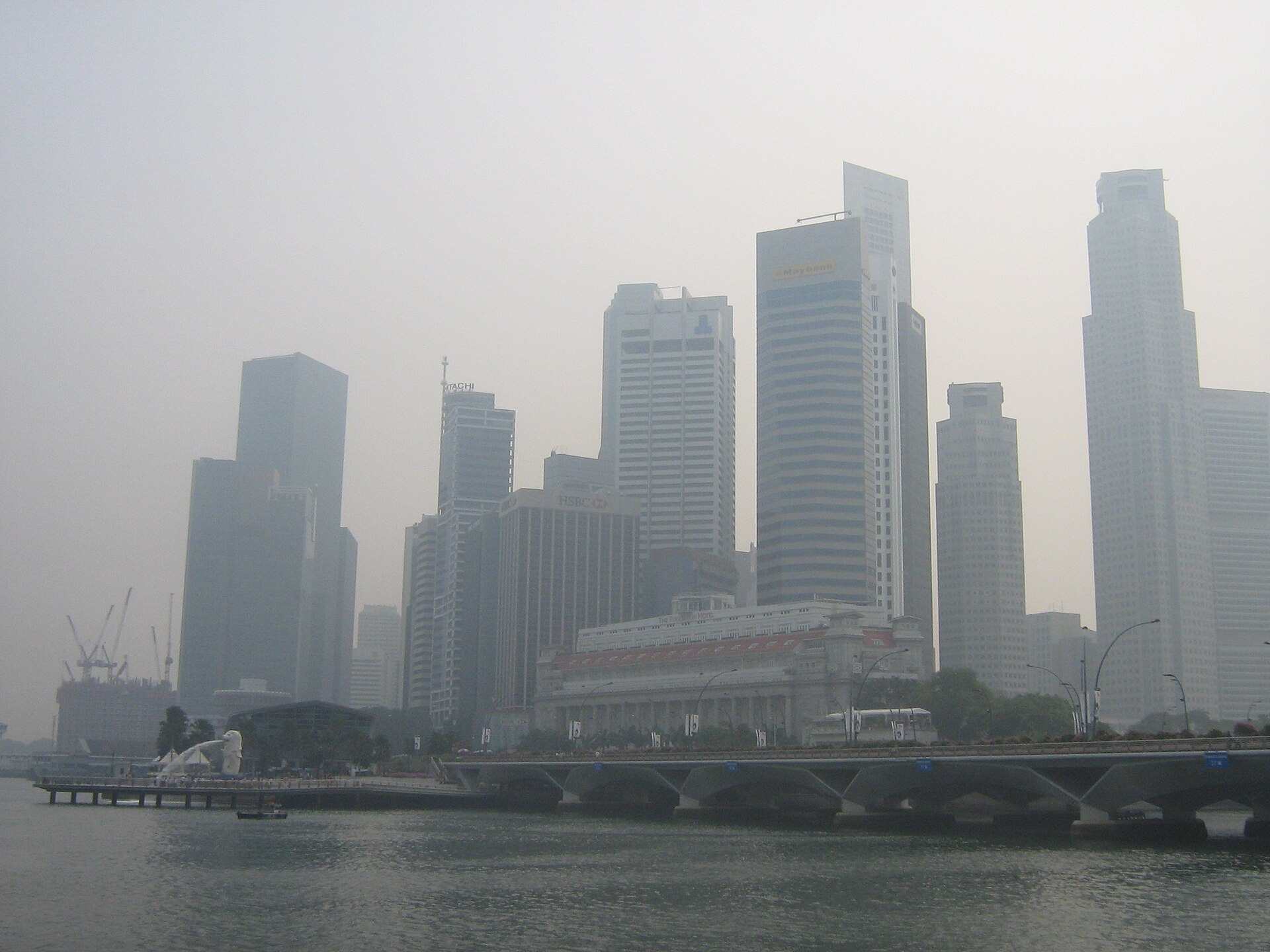
Singapore is moving toward legal action against companies responsible for severe wildfires in neighboring Indonesia, escalating diplomatic tensions as toxic smoke continues to blanket the region. Prime Minister Lawrence Wong stated that his government is identifying specific firms linked to the blazes and exploring joint enforcement measures with other affected nations.
Wong announced the potential prosecutions in a social media post on Thursday, noting that Singapore is distributing protective masks to vulnerable citizens while coordinating with regional partners. Although Singapore has no domestic plantations or forests, several corporations with land concessions in Indonesia are headquartered in the city-state.
Regional Health and Economic Impact
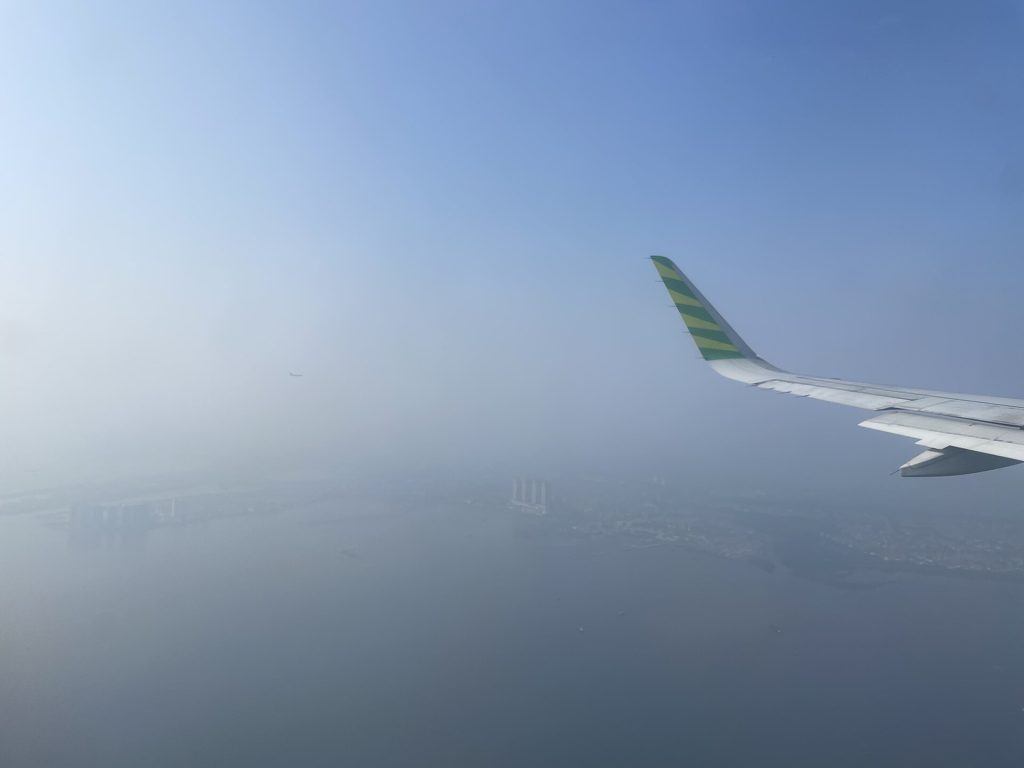
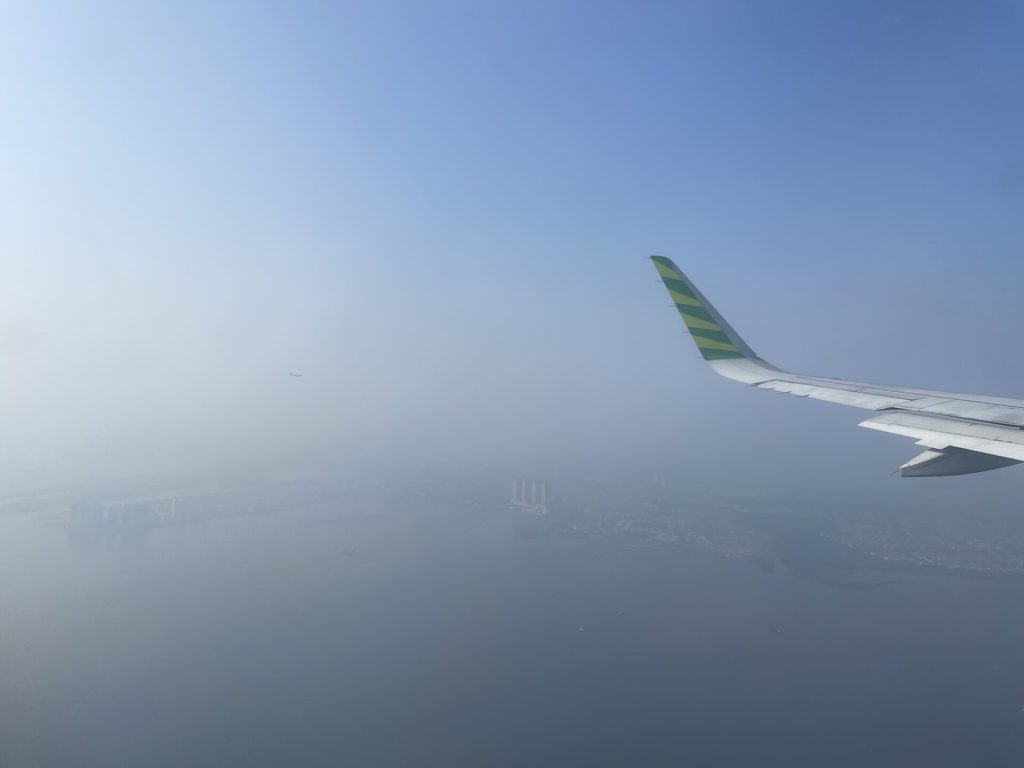
The smoke has drifted into Malaysia, Brunei, Timor-Leste, the Philippines, and Vietnam, affecting millions of people. Air quality indexes have reached unhealthy levels, prompting widespread school closures and a sharp rise in respiratory illnesses. The haze is the most intense in over a decade, driven by drier-than-usual weather conditions and continued slash-and-burn practices used to clear land for agriculture, particularly palm oil production.
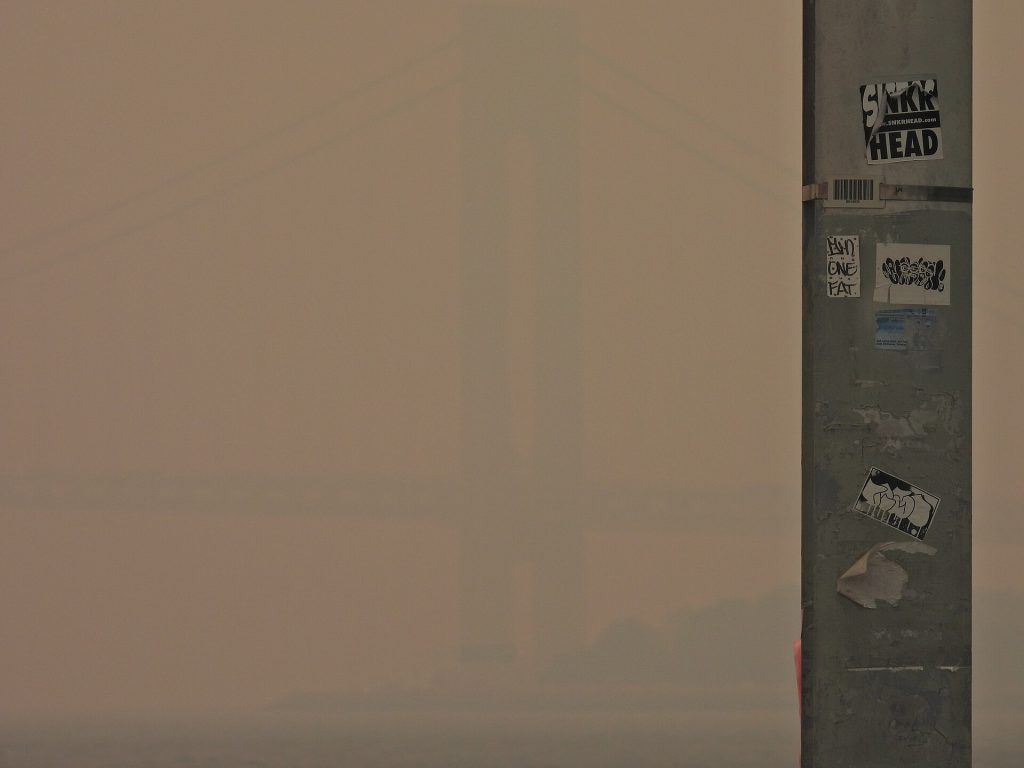
Public frustration is mounting across the region. Social media feeds are filled with images of skyscrapers obscured by thick smog. Lee Lam Thye, a former Malaysian politician and activist, wrote in a public letter that clean air is a basic right, not a favor. He called for real enforcement and named those responsible for the environmental damage.
Indonesian officials have faced growing pressure to declare a national disaster. While Jakarta initially stated it could handle the situation independently, the government later accepted international assistance. The delay has drawn criticism from neighbors and civil society groups, who argue that a disaster declaration would unlock essential funds for firefighting and medical support.
Diplomatic Friction and Accountability
Diplomatic relations are strained as ASEAN members grapple with the crisis. The association traditionally relies on quiet engagement and non-interference, but the severity of the current haze is testing those norms. A meeting of regional foreign ministers is scheduled for next month in the Philippines, though many observers believe that timeline is too late to address the immediate emergency.
Indonesian officials have pushed back against external criticism. Syahganda Nainggolan, head of the government communication agency, argued that Indonesia provides oxygen to Singapore and Malaysia through its forests. Malaysian Prime Minister Anwar Ibrahim has urged Indonesian President Prabowo Subianto to take immediate steps to address the root causes of the fires.
Inside Indonesia, the human cost is significant. The health ministry reported nearly 280,000 cases of respiratory infections linked to the fires, with over 60,000 patients being children under five. Protests have erupted in Kalimantan and Sumatra, with students demanding accountability. In one viral video, a child wearing a mask held a sign reading “Save our little lungs” against a dark orange sky.
Tragedy has also struck the firefighting efforts. The forestry ministry confirmed on Friday that four firefighters died while battling blazes in a national park in Java. Despite dispatching additional crews and announcing crackdowns on arsonists, the scale of the fires remains difficult to contain.
Activists argue that the focus must shift from temporary firefighting to holding corporations accountable. A recent Greenpeace report identified businesses based in Singapore and Malaysia linked to land burning in Indonesia. Michelle Dyonisius of Amnesty International Indonesia stated that the government’s refusal to acknowledge the gravity of the issue is naive given the number of people affected.
Source: The Guardian
