


Intel has obtained a one-year waiver from the Federal Communications Commission to continue using foreign-made automated guided vehicles in its United States semiconductor manufacturing facilities. The approval resolves a period of uncertainty for the chipmaker, which feared that a new FCC ban on certain foreign robots might disrupt its domestic production lines.
The FCC order, published on October 22, allows Intel to maintain its existing fleet of robotic vehicles while also permitting specific hardware, software, and firmware modifications necessary for their upkeep. The waiver was granted just six days after the company submitted its request on October 16, reflecting the urgency of keeping chip fabrication running smoothly.
Intel FCC Waiver and Production Needs
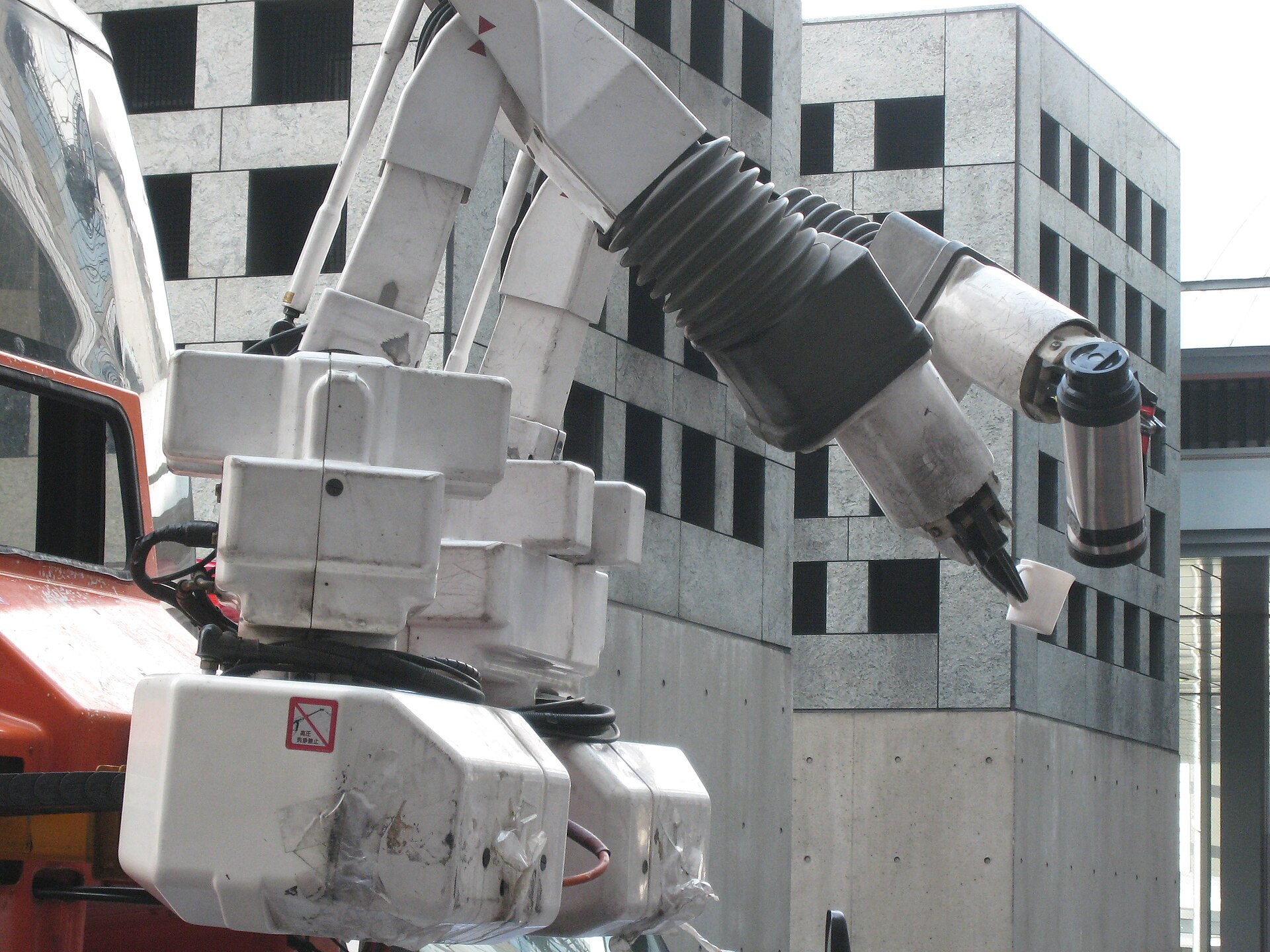
Intel described the automated guided vehicles as critical to its domestic semiconductor manufacturing operations. These machines operate on predefined tracks or paths, moving materials and components across factory floors and warehouses. The company noted that the robots often require operator oversight and are essential for maintaining the pace of chip production.
According to the company, there are currently no US-made alternatives that meet its specific operational requirements. Intel stated in its waiver request that it was unclear whether its specific robotic vehicles fell under the FCC’s new restrictions, but it sought relief out of an abundance of caution to avoid any potential interruptions.
The robots in question are typically manufactured by Japanese firms such as Murata Machinery and Daifuku Co. Intel identified the exact types of vehicles in a confidential appendix attached to its waiver application. The FCC’s decision allows the company to continue using these specific models without fear of regulatory violation.
Impact on Semiconductor Manufacturing
The FCC ban primarily targets new models of mobile robots, including humanoid robots and robot vacuums. While the rule permits the import of robots previously approved for sale in the United States, it restricts major modifications to those previously authorized devices. This restriction created ambiguity for companies like Intel that rely on regular maintenance and updates to keep their equipment functional.
Intel argued that the ability to maintain these robots was crucial to avoiding disruptions to chip production. The company emphasized that any delay in servicing or upgrading the vehicles could have a direct negative impact on its ability to manufacture semiconductors domestically.
The swift approval of Intel’s waiver highlights the strategic importance of the company to the US government’s efforts to reshore chip manufacturing. The Trump administration has taken a significant equity stake in Intel, valued at $8.9 billion, as part of broader initiatives to strengthen domestic semiconductor capabilities.
Meanwhile, the broader US robotics industry is grappling with the consequences of the FCC ban. China remains the world’s leading supplier of robots and robotic components, forcing many US companies to seek alternative supply chains. Some distributors have already pivoted from importing Chinese humanoid robots to establishing US manufacturing facilities for these devices.
Analysts have warned that the government’s attempt to boost domestic robot production through restrictions on foreign-made robots could backfire. A report by the market intelligence firm International Data Corporation estimates that the FCC rule could reduce US revenue from deploying humanoid robots by 58 percent by 2030 compared to pre-restriction expectations.
The one-year waiver provides Intel with temporary certainty as it navigates the evolving regulatory landscape. The company can now continue its operations without immediate concern regarding the status of its foreign-made robotic fleet, though the long-term implications for the industry remain uncertain.
Source: Ars Technica
