


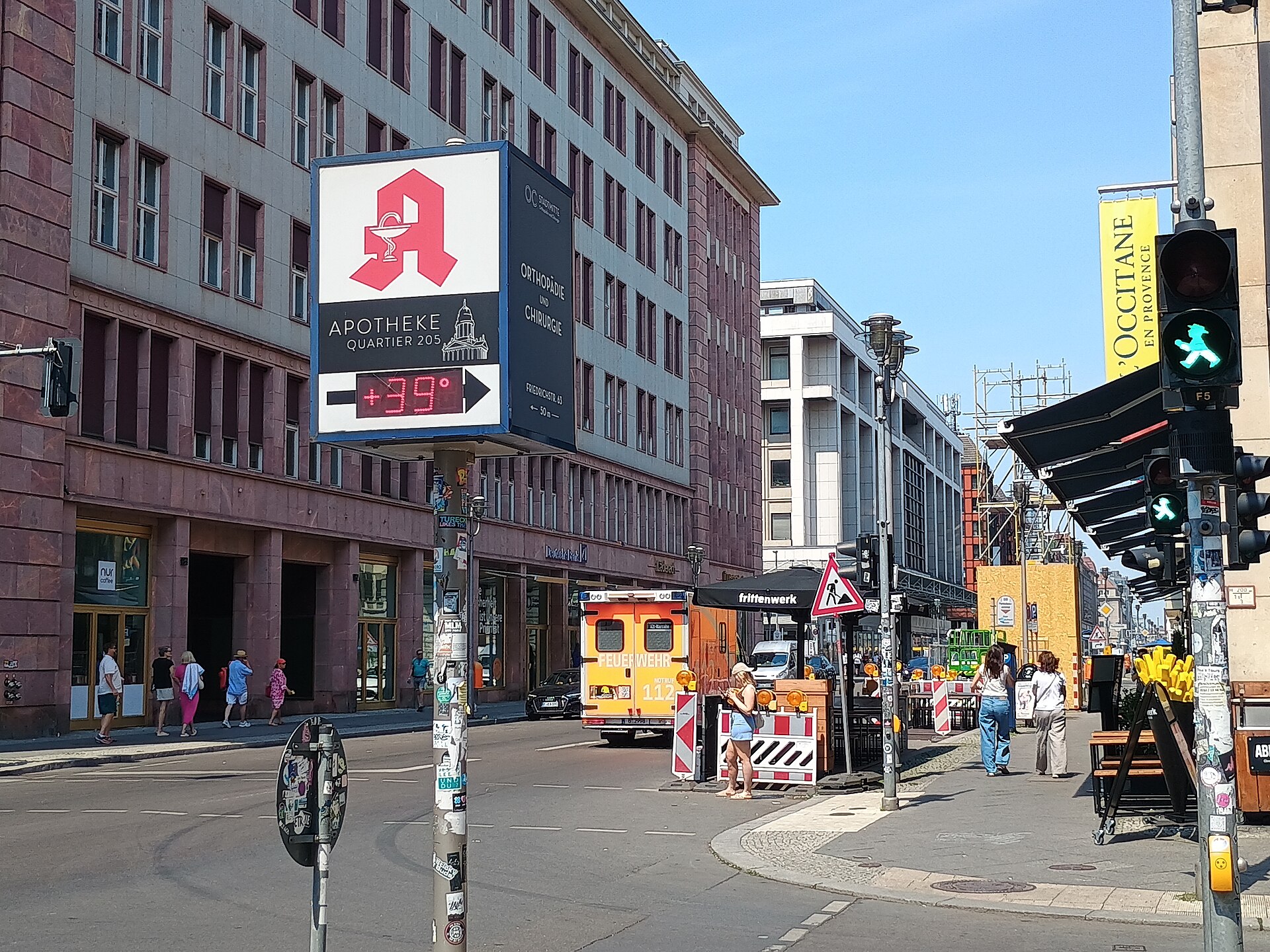
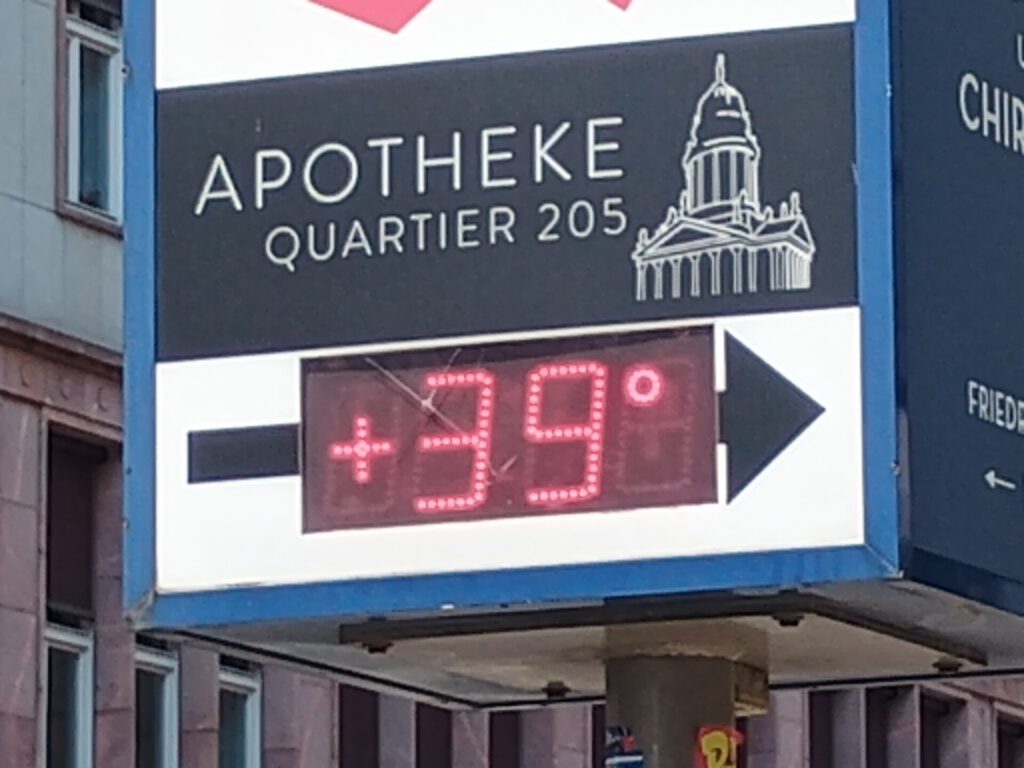
Scientists estimate that extreme heat killed 50,000 people in European cities during the summer of 2026, marking the highest recorded toll for the continent. The study, which analyzed data from 854 urban areas, found that climate change contributed to two-thirds of these fatalities. Researchers attribute the surge to a combination of relentless daytime temperatures and warm nights that prevented vulnerable populations from recovering.
Climate Change Drives Majority of Fatalities
The research indicates that the proportion of heat-related deaths linked to human-caused climate change has risen sharply. At the start of the century, approximately 40% of such deaths were attributed to anthropogenic factors. This summer, that share jumped to 65%. Malcolm Mistry, a climate and health scientist at the London School of Hygiene & Tropical Medicine and co-author of the study, described the absolute numbers as staggering but noted that the high percentage linked to climate breakdown is even more alarming.
Greenhouse gases have warmed Europe at twice the global average rate. This accelerated warming has exposed more residents to intolerable summer heat while reducing the number of people exposed to dangerous cold. Although cold weather remains a larger overall killer, scientists project that rising temperatures will claim more lives than they save, as heat mortality increases faster than cold mortality decreases.
Italy and Malta Face Highest Mortality Rates
Heat deaths Europe experienced significant regional variation this summer. Malta, Italy, and Hungary recorded the highest rates of heat-related mortality per capita. In terms of absolute numbers, Italy, France, Spain, Germany, and the United Kingdom saw the largest death tolls. Naples, Italy, was identified as the hardest-hit city on the continent, with 815 deaths per million residents.
Dr. Mario Guarino, an emergency doctor at Ospedale CTO in Naples, reported a 15% increase in emergency room visits during the hottest weeks. He highlighted that the health crisis was compounded by social factors. “The real epidemic these days is loneliness,” Guarino said. He described cases of elderly patients with terminal illnesses living in hot attics because their families could not afford air conditioning, and dementia patients abandoned by caregivers.
The study found that individuals over the age of 85 accounted for nearly half of the deaths. However, younger people were not immune, with 833 deaths recorded among those aged 20 to 44. The researchers cautioned that the death tolls for the 854 cities studied, which represent about 40% of the European population, cannot be easily extrapolated to estimate the total death toll for the entire continent.
Health Systems Strain Under Heat Stress
European cities faced severe heat stress this summer, with the EU’s climate monitoring service reporting that more than half the continent experienced temperatures feeling hotter than 38C. The scorching conditions pushed health systems to their limits. Katie White, the climate transition minister for the UK, noted that the figures represent thousands of families who lost loved ones due to the climate crisis. Scientists estimated 4,354 heat deaths in the UK alone.
David García-García, a researcher at the Carlos III health institute in Madrid, called the study a valuable contribution for continental comparison. However, he emphasized that the figures are estimates based on epidemiological models and observed temperatures, not actual death data from 2026. National public health agencies often calculate death tolls using different methods, leading to variations in reported numbers.
Medical experts are urging governments to reduce fossil fuel emissions and bolster health infrastructure. Recommendations include greening cities, expanding access to air conditioning, and encouraging public awareness of heat risks. Doctors also stress the importance of community support, such as checking on vulnerable neighbors, to prevent isolated deaths during extreme weather events.
Source: The Guardian
