


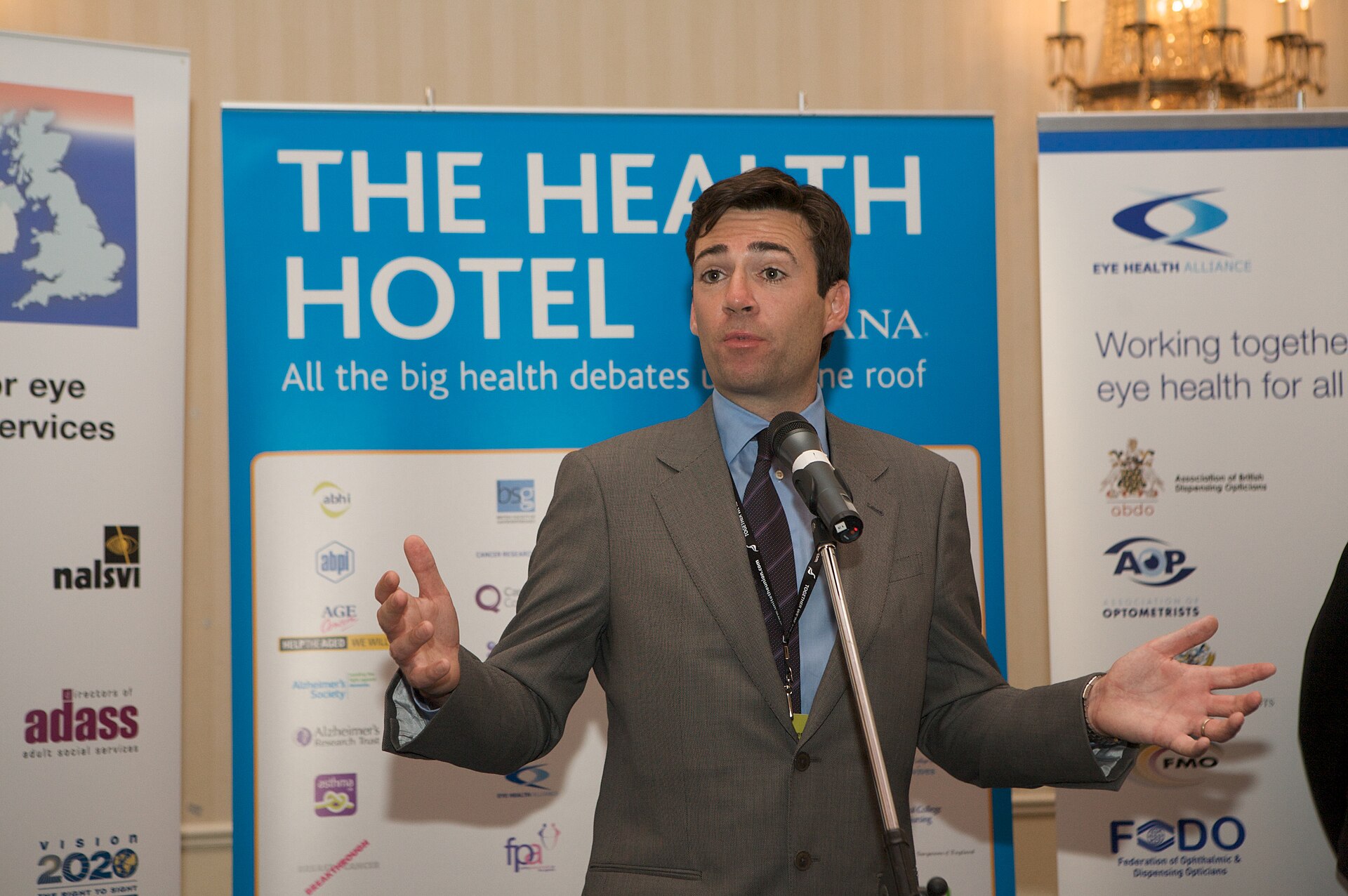
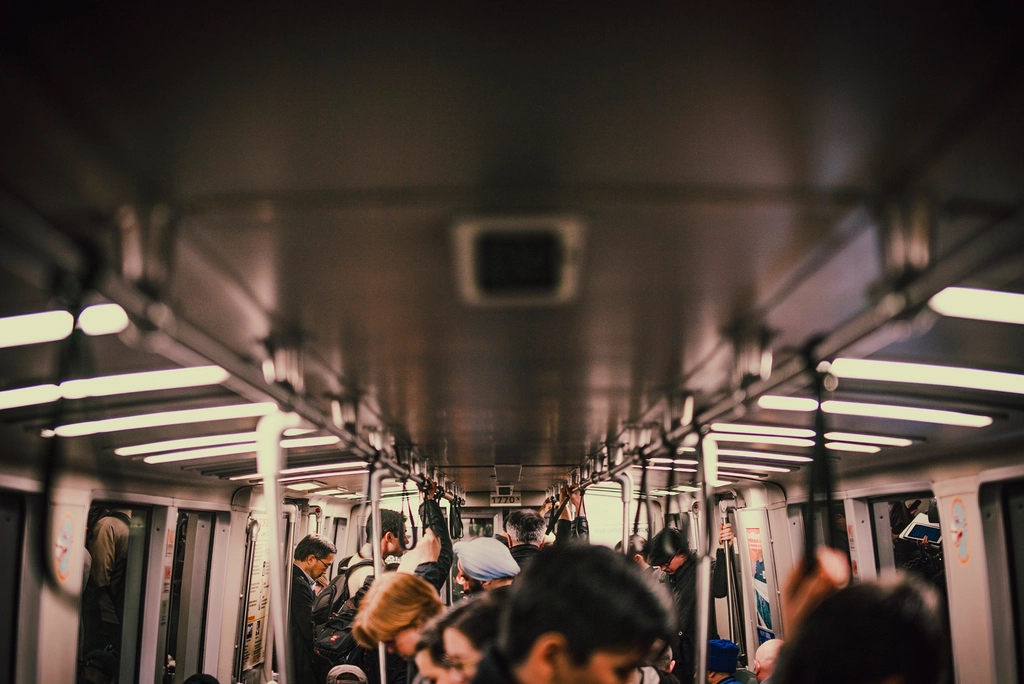
Andy Burnham has launched a campaign titled “Share the carriage, not the noise,” proposing on-the-spot fines of up to £100 for passengers who play audio without headphones on public transport. The initiative targets a modern nuisance that has become increasingly common as smartphones allow users to stream media and join conference calls in crowded spaces. While the proposal aims to restore quiet in transit areas, social scientists and policy experts are questioning whether financial penalties are an effective tool for changing human behavior.
Historical Precedents for Behavioral Fines
Burnham is not the first political leader to attempt to curb public nuisance through financial penalties. Former Prime Minister Tony Blair proposed similar on-the-spot fines for loutish behavior in 2000. Although that specific proposal did not materialize, it led to the introduction of fixed-penalty notices for “yob” offenses. These measures resulted in controversial enforcement actions, including threats against the Women’s Institute for flyering and fines for minor infractions like dropping money.
Unlike previous attempts, Burnham’s proposal benefits from existing infrastructure. Public transport officials already possess the mechanisms to issue fines to passengers, making implementation logistically simpler than in the past. However, the core question remains whether these small behavioral interventions demonstrate competent governance or merely address symptoms without solving underlying issues.
The Broken Windows Theory and Social Norms
Supporters of such fines often reference the “broken windows theory,” developed by American social scientists James Q Wilson and George L Kelling in the early 1980s. The theory suggests that visible signs of disorder, such as unrepaired broken windows, signal that no one cares, thereby lowering the psychological barrier for further misbehavior. Geoff Mulgan, a former director of policy at No 10 under Blair, notes that policies like anti-social behavior orders and spot fines in the 2000s created a “sense of order and neatness” that was frequently discussed in regeneration meetings.
Clive Bates, a public health consultant who worked in Blair’s strategy unit, agrees that re-establishing “injunctive norms” is valuable. He argues that these norms give people a sense that the world is not falling apart. According to Bates, the fine itself is likely not about the monetary cost. He suggests that most people do not calculate the probability of being caught against the fine amount. Instead, the threat of a fine empowers bystanders. It provides them with the authority to intervene, transforming the entire public into enforcers of social norms.
Skepticism from Behavioral Experts
Not all experts are convinced by the logic behind the fines. Chris Perry, a behavior change consultant, points out that personal opinion surveys often show rising dissatisfaction regardless of specific policies. He argues that asking people if they support fines for nuisance behavior creates a constant drumbeat of negativity that may not reflect actual usage patterns or effectiveness.
Perry also challenges the empirical validity of the broken windows theory, describing it as “pre-replication crisis” science. He notes that no definitive proof exists that one broken window leads to others. Furthermore, he introduces the concept of “pluralistic ignorance,” where individuals overestimate how badly others behave. By highlighting nuisance through public policy, the government may inadvertently reinforce the perception that such behavior is common, potentially exacerbating the very problem it seeks to solve.
Despite the debate over enforcement mechanisms, data on public morality remains positive. Mulgan cites research indicating that 82% of people in the UK view their fellow citizens as morally good. This figure is significantly higher than in countries like the US, where more than half of respondents believe their compatriots are morally bad. The consensus among experts is that while the method of enforcement is debated, the desire for a respectful public environment is universal.
Source: The Guardian
