


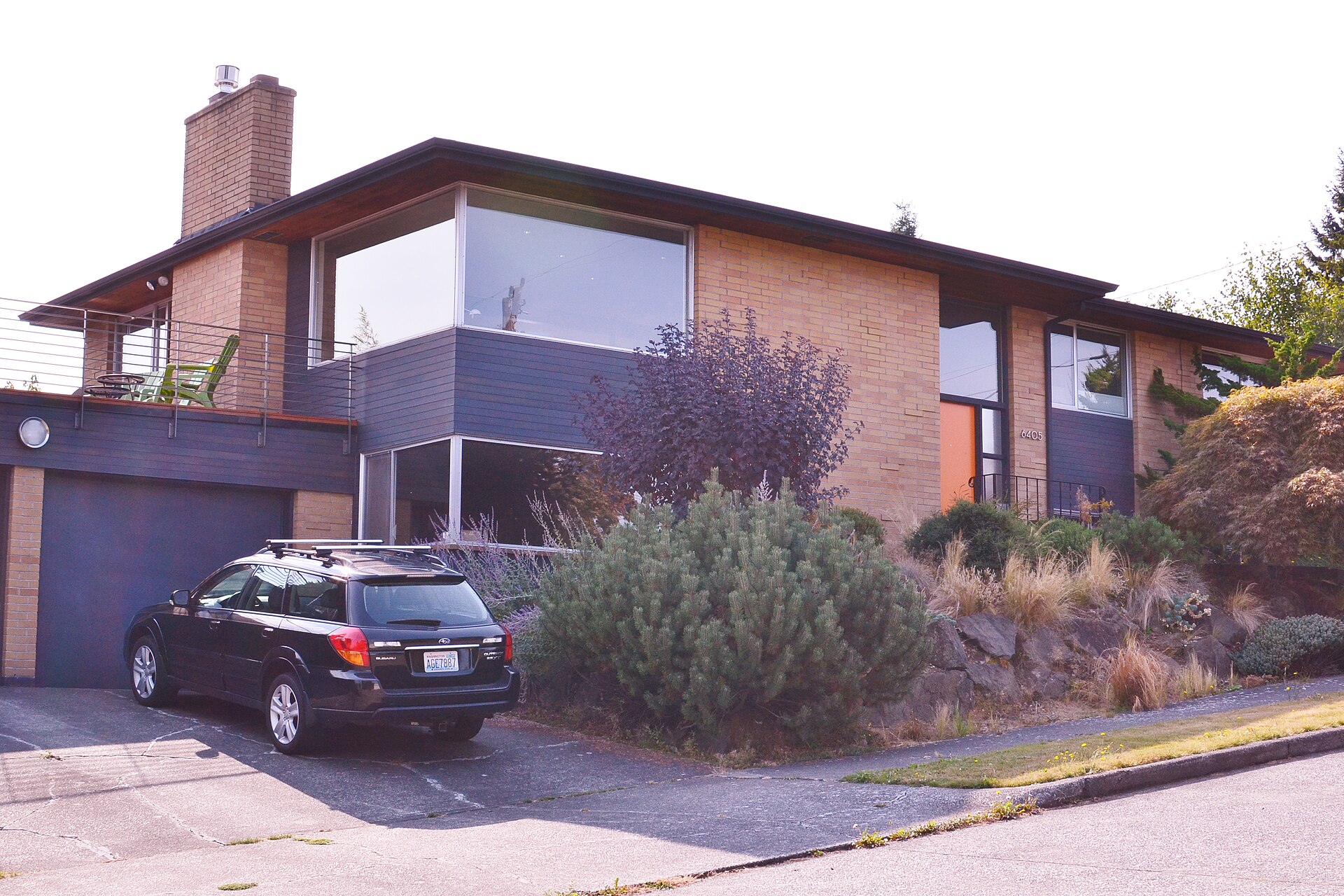
Mid-century modern design, once the dominant aesthetic for millennials, is facing a sharp decline in popularity among younger consumers. The style, characterized by clean lines and functional simplicity, is now being labeled as “cringe” by some in Generation Z, marking a significant shift in interior design trends.
Laura Budds, a vintage furniture dealer based in Norfolk, UK, told The Guardian that the trend has reached its peak and is now on a descent. She noted that while she does not consider the style “cringe,” the market has clearly saturated. Budds, who runs Williams & Parfitt, a modern antiques centre in Wymondham, has had to diversify her inventory to cater to changing tastes. She observes that Gen Z buyers are less bound by specific eras or designers and are more willing to incorporate whimsy, taxidermy, or older antiques into their homes.
The Rise of a Millennial Staple
The term “mid-century modern” originally referred to architecture and design popular from the 1940s to the 1970s in the US, Brazil, and Europe. Influenced by the Bauhaus movement and Scandinavian design, the style emphasized beautiful yet functional furniture for the masses. Key British brands such as Ercol, G Plan, and Anglepoise lighting became staples of this aesthetic.
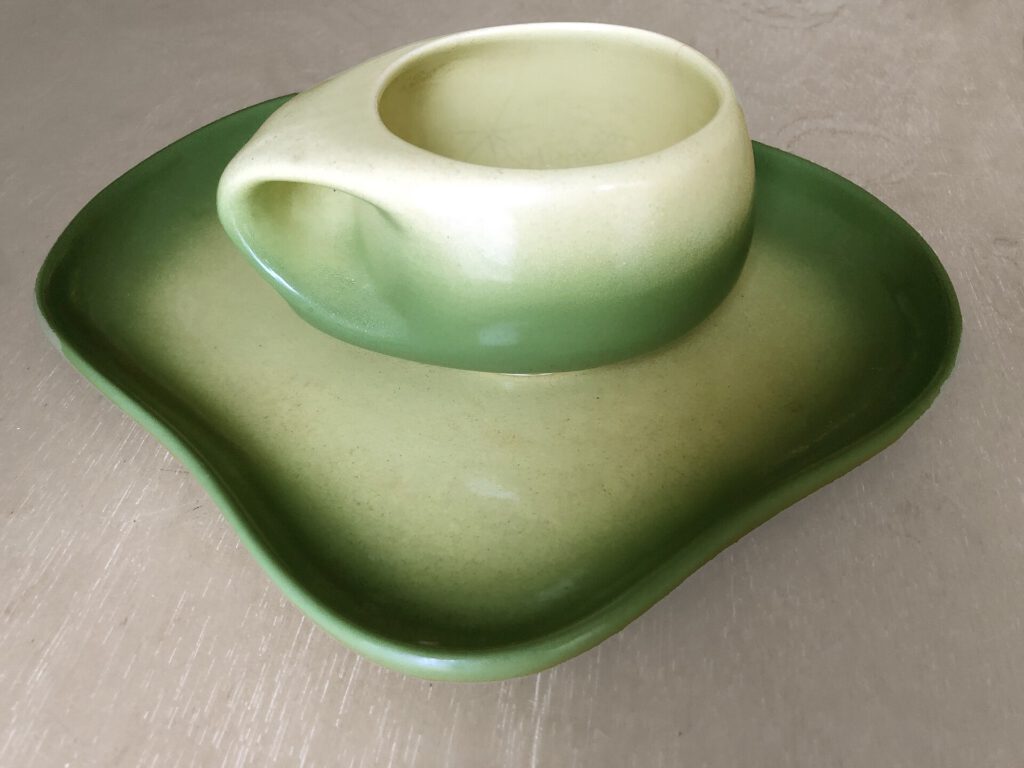
The phrase was popularized by Cara Greenberg in her 1984 book, “Mid-Century Modern: Furniture of the 1950s.” Greenberg, who lives in Brooklyn, New York, noted that the term has since become “meaningless,” applied to everything from museum-quality pieces to mass-produced reproductions. While she defends the innovation of designers like Charles and Ray Eames, George Nelson, and Eero Saarinen, she admits that the original philosophy of accessibility has been lost.
Keith Stephenson of Mini Moderns, a design company in south-east London, emphasized that mid-century modern was never intended to be elitist. The philosophy was about bringing good design at a good price to as many people as possible. This accessibility, combined with the style’s suitability for smaller spaces, made it irresistible to millennials starting to live independently in the 2010s. Furniture on legs, for example, creates an illusion of space, a trick that proved hard to beat.
Prices Soar and Trends Shift
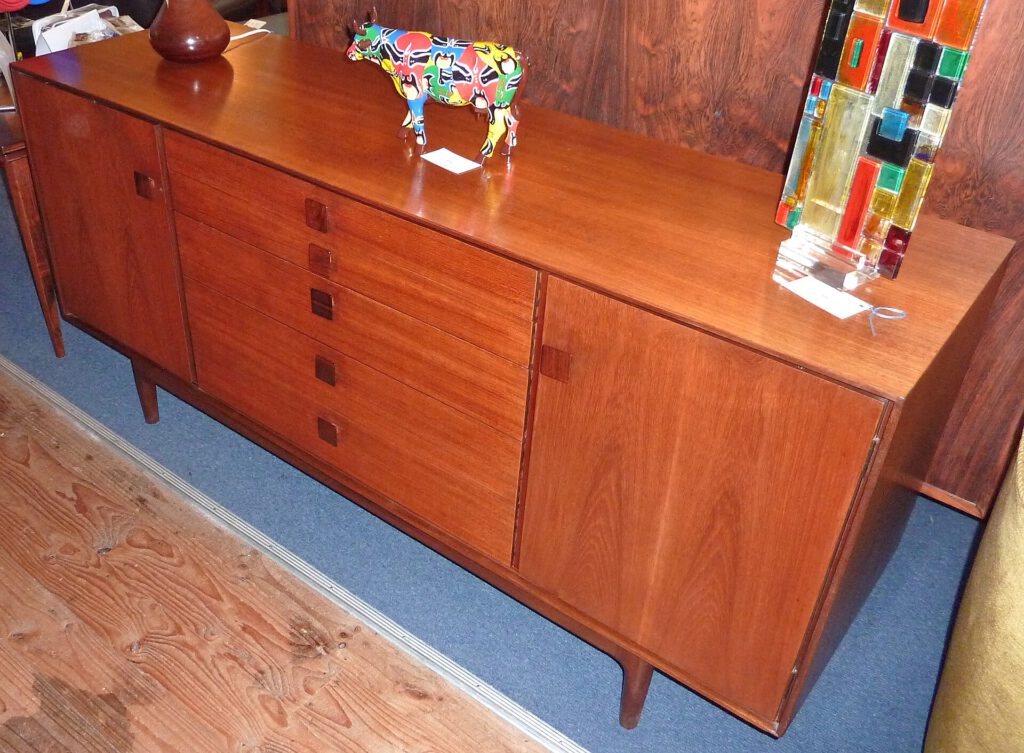
However, affordability has evaporated. Budds pointed out that while a sideboard could be found at auction for £50 as recently as 2019, similar pieces now cost between £300 and £400. Much of the British mid-century stock has been shipped abroad to Europe and Japan, driving up domestic prices. Interior designer Natasha Landers, who has lived in Walthamstow, east London, for 26 years, recalled buying a mid-century bookcase for £30 and a coffee table for £50. She noted that the coffee table would now sell for £200.
The proliferation of the style on social media platforms like Pinterest and Instagram led to a flood of imitation furniture from high street retailers and online marketplaces. Carina Harford, an interior designer from west London, stated that the “paint-by-numbers” experience of buying full sets of mid-century furniture is gone. She criticized the climate impact of this “fast furniture” and the homogenization of homes.
Younger consumers are actively rejecting this uniformity. Sheree Millington, a copywriter in Margate, is renovating her Victorian terrace and expressed a desire to avoid having the same things as everyone else. Lucy Hayes, a writer in east London, prefers a mix of styles and ages that feel contemporary rather than like a time capsule. This shift is fueling a resurgence of other aesthetics, such as cottagecore, English townhouse styles with mismatched patterns, and chrome fixtures that were popular in the 1990s.
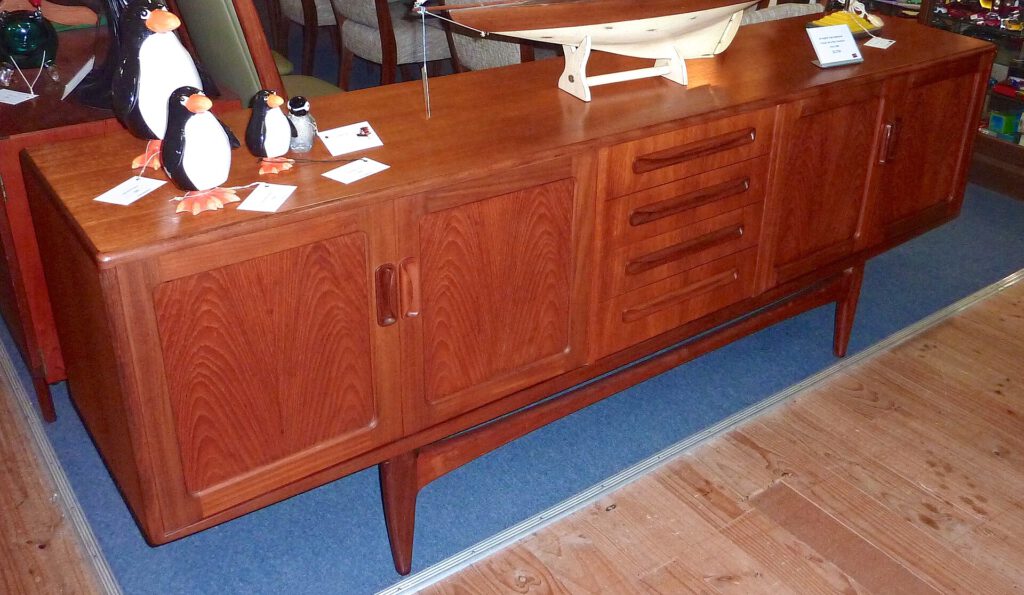
Harford, who collects secondhand treasures from various eras, finds that auction hunting allows for unique, affordable pieces. She highlighted the value of mixing styles, noting that her eclectic collection, including items from the 1940s and 1980s, creates a more special and individual home environment than the standardized mid-century look.
Source: The Guardian
