


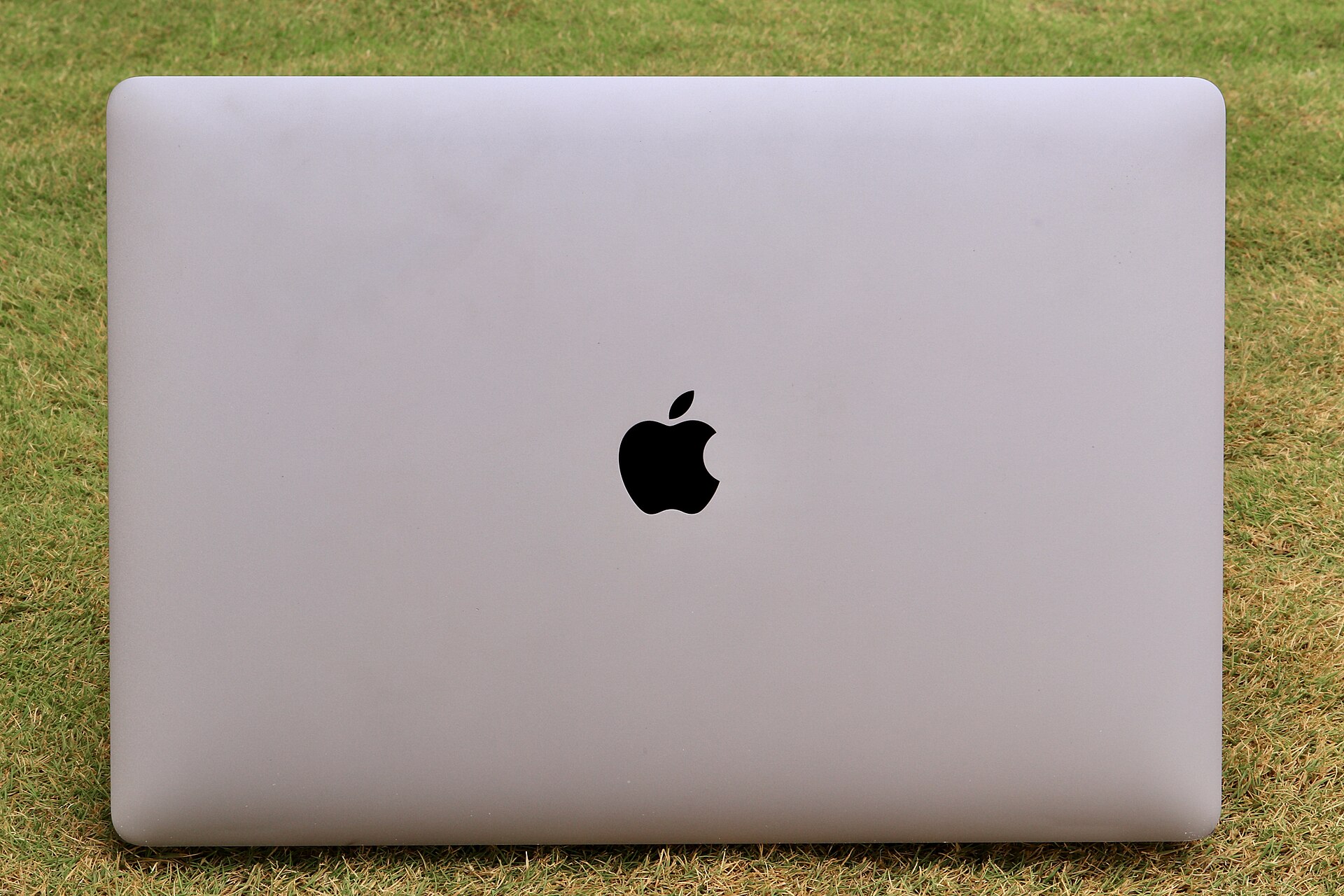
Apple has released its redesigned MacBook Pro featuring an OLED touchscreen, with the most expensive configuration reaching $14,549. The 16-inch model, equipped with the M5 Max chip, 128GB of unified memory, and a 16TB solid-state drive, represents the highest price point for the laptop line. This pricing reflects significant increases in component costs, particularly for storage and memory, which account for the majority of the total price.
Storage and Memory Drive the Cost
The $14,549 price tag is heavily influenced by the internal specifications. A 16TB SSD alone adds $7,000 to the cost, while upgrading the unified memory from 48GB to 128GB adds another $2,000. Together, these two components make up roughly 62 percent of the total price. The base M5 Max chip with 48GB of RAM and a 2TB SSD starts at $5,399, which is already $2,000 more than the entry-level 16-inch model with an M5 Pro chip.
Apple charges $1,000 to move from 2TB to 4TB of storage, $3,000 to reach 8TB, and $7,000 for the top-tier 16TB option. This works out to $500 per terabyte, with no bulk discount applied. The 16TB SSD is a first for the MacBook Pro, as previous M5 Max models released in March topped out at 8TB. Memory upgrades are also restricted to the 40-core M5 Max chip, which can be configured with up to 128GB of RAM. The 32-core version is fixed at 36GB, and the M5 Pro stops at 64GB.
Component Price Increases and Market Context
Apple has cited a rapid expansion of AI data centers as the reason for rising component costs. In late June, the company raised prices across its Mac and iPad lineups, noting an extraordinary surge in demand for memory and storage. Counterpoint Research reported that smartphone DRAM prices rose 50 percent and NAND flash storage prices increased more than 90 percent quarter-over-quarter in the first three months of 2026. Apple stated it had absorbed these rising costs for as long as possible before passing them on to consumers.
Comparing the new OLED model to the non-touch 16-inch MacBook Pro, the redesign accounts for a $400 increase. The non-touch model tops out at $10,149, while the OLED version reaches $14,549. The $4,000 difference between the 8TB and 16TB storage options highlights the impact of NAND flash price increases. The 14-inch MacBook Pro OLED tops out slightly lower at $14,249, with the cheapest 16TB configuration costing $11,499.
Display and Performance Specifications
The 16-inch MacBook Pro features a 16.3-inch PROLED XDR Display. This tandem OLED panel sustains 1,000 nits of brightness and reaches a peak of 2,000 nits. It covers the P3 and Adobe RGB color gamuts, supports up to 120Hz refresh rates, and includes touch functionality with a Dynamic Island. The M5 Max chip pairs an 18-core CPU with a 40-core GPU and offers 614GB/s of memory bandwidth. Apple states this configuration is sufficient for running large language models locally on the device.
The laptop weighs 4.1 pounds and measures 0.63 inches thick. It includes a 100Wh battery that provides up to 22 hours of streaming. Nano-texture glass, which reduces glare by etching directly into the cover glass, is available for $150. While the touchscreen is a notable addition, initial reviews suggest it is not the primary driver for the high-end configuration, with storage and memory being the key factors for professionals such as filmmakers, 3D artists, and developers.
Source: Engadget
