


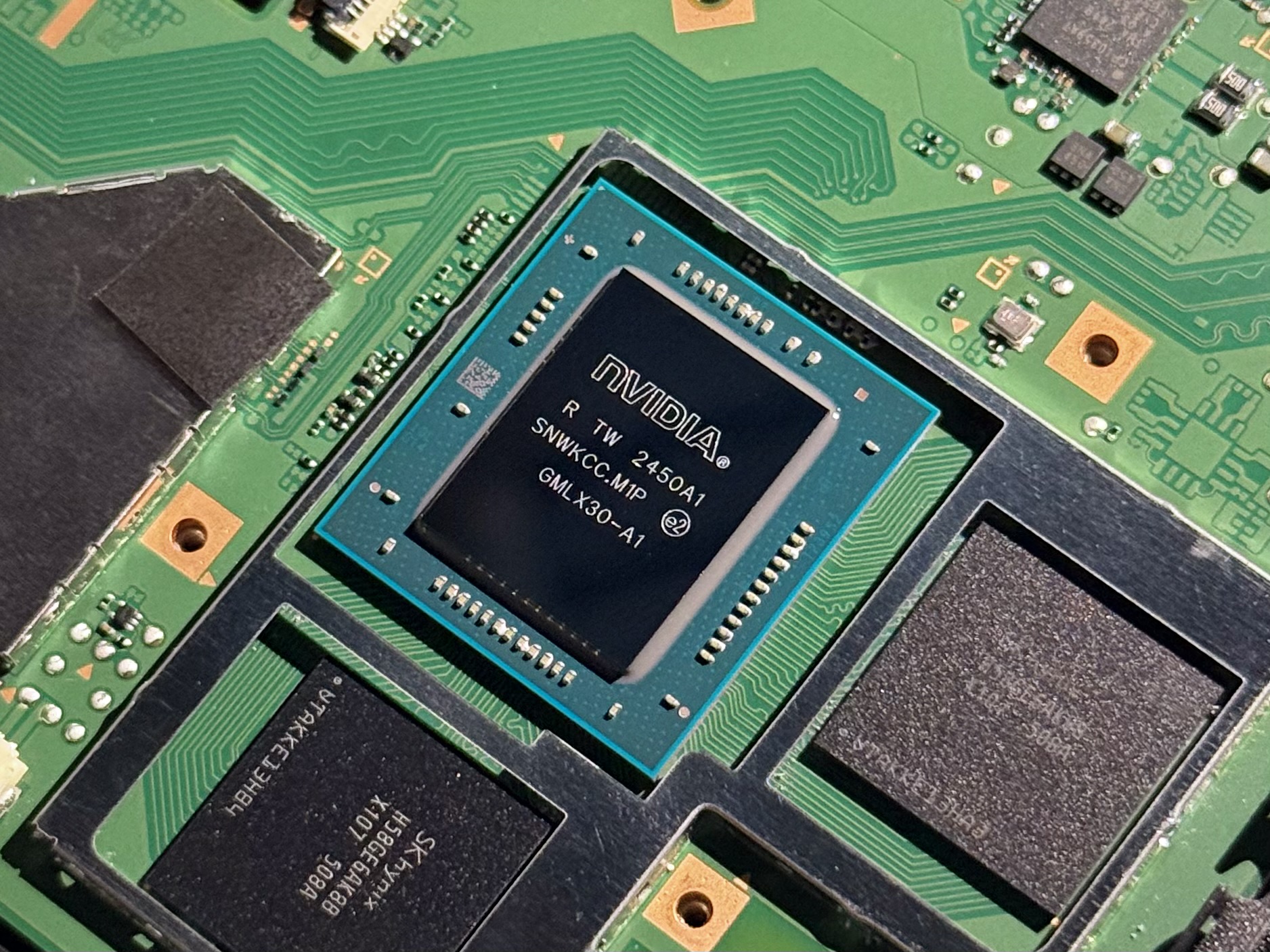
Nintendo has initiated a broad digital takedown campaign against the open-source community, resulting in the removal of 144 GitHub repositories. The action targets the firmware that powers hardware modchips for the Nintendo Switch console. According to Tom’s Hardware, the takedown notice from Nintendo of America confirmed the removal of the parent repositories and their associated networks.
Targeting Hardware Modification Tools
The DMCA request specifically identified firmware used for popular hardware modifications, including the SX Core, SX Lite, Picofly, and HWFLY chips. These microchips are soldered onto the motherboard of original Nintendo Switch units to bypass the console’s security measures. The takedown notice stated that these repositories provide access to code that allows modchips to illegally circumvent Nintendo’s technical protection measures.

Nintendo argued that the firmware is primarily designed to bypass the boot sequence and run unauthorized copies of games. The company cited ongoing criminal proceedings against Team-Xecuter, a manufacturer of SX Pro, SX Core, and SX Lite modchips, to support its claim that distributing this code constitutes unlawful trafficking in technology designed to circumvent copyright protections.
Impact on the Modding Community
While the takedown removes the source code from GitHub, it does not erase the hardware already installed in millions of consoles. The original Switch model contained an unpatchable hardware exploit in its recovery mode. This vulnerability allowed users to run custom software, homebrew applications, and emulation software. Later models, such as the Switch Lite and Switch OLED, received hardware patches that closed this loophole, making hardware modification the only way to run custom code on those units.
The removal of these repositories will prevent users from downloading new firmware updates for their existing modchips. It also blocks the ability to flash or reflash chips that may have failed or become corrupted. Future attempts to modify Switch consoles using these specific hardware methods will be significantly more difficult without access to the underlying code.
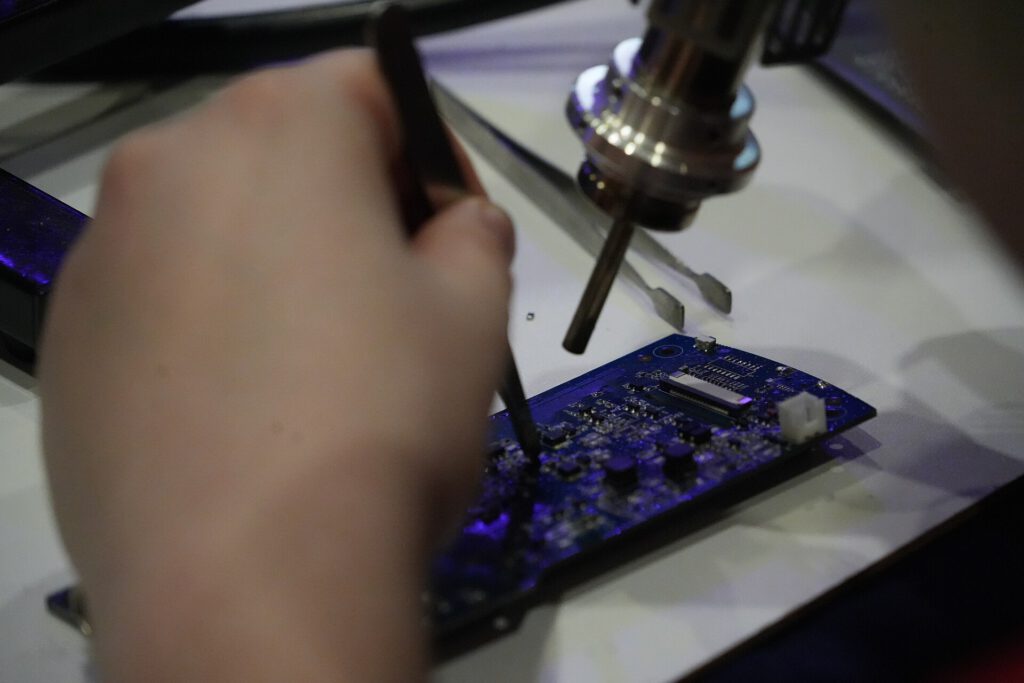
Although Nintendo focuses on the piracy aspects of these tools, the modchips enable a wide range of legitimate uses. Enthusiasts use them to run alternative operating systems, create custom themes, and overclock the console for better performance. The takedown effectively silences the development of these features on the affected platforms.
Broader Context of Digital Rights Enforcement
This action is part of a larger trend in digital rights management as technology evolves. Nintendo has a history of aggressive legal action to protect its intellectual property. Recent developments in artificial intelligence have complicated these efforts. For example, a remake of a Zelda title was leaked online on the same day it launched on the Switch 2. Other developers have used AI tools to port older games to modern platforms, such as bringing a Nintendo 64 title to iOS.
The takedown of 144 repositories demonstrates Nintendo’s strategy of targeting the entire ecosystem of modding tools rather than individual vendors. By removing the firmware from public view, the company aims to stifle the distribution of hardware that can bypass its security systems. The move leaves existing modders with outdated code and prevents new users from easily accessing the tools required to modify their consoles.
Source: Tom’s Hardware
