


Travelers preparing for the Thanksgiving holiday face a challenging outlook as storm systems develop along both the West and East coasts of the United States. The timing coincides with the peak of the holiday travel rush, threatening to disrupt plans for millions of passengers.
United Airlines has issued a travel advisory for its San Francisco International Airport hub, signaling potential disruptions on the eve of Thanksgiving. Meanwhile, meteorologists warn of a powerful coastal storm that could impact several major East Coast airports on Wednesday and Thursday.
West Coast Storm Impacts San Francisco Hub
Heavy rain and strong winds are moving into the Bay Area, prompting United Airlines to allow passengers passing through San Francisco to change their tickets. The airline’s advisory suggests that carriers expect significant operational challenges as the storm hits.
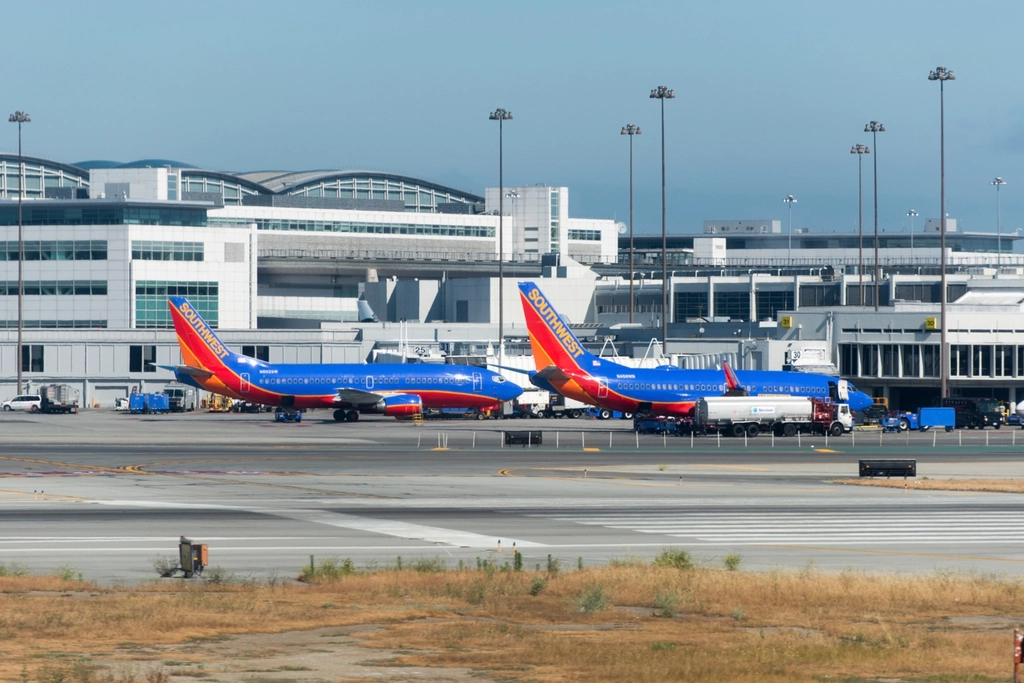
Initial forecasts had raised concerns about flooding at the airport itself. San Francisco International Airport is located next to the bay, and high tides combined with heavy rainfall had previously led to fears that water could cover the taxiways. However, local officials have reported a more positive outlook regarding the tarmac.
San Francisco Mayor Daniel Lurie stated on social media that flood water is not currently expected to reach the tarmac at SFO. He noted that while this is a positive development, ground stops due to weather conditions remain a possibility. Airport officials confirmed they are keeping pump stations and drainage areas clear and have staged sandbags in preparation for the bad weather.
East Coast Faces “Monster” Storm System
The situation on the East Coast appears more volatile. Meteorologists are warning of a “monster” storm that could bring strong winds, heavy rain, and flooding to a large swath of the coast. This system threatens to disrupt flights at several of the nation’s busiest aviation hubs.
Fox Weather meteorologist Bob Van Dillen described the timing as particularly unfortunate for travelers. He advised East Coast passengers to reach their destinations as early as possible to avoid the worst of the weather. The impact of such storms is often compounded by the density of airline hubs in the region, which can lead to cascading flight woes across the country.
This weather event follows a difficult period for U.S. air travel. In the past two weeks, travelers have dealt with a nationwide ground stop that resulted in 18,000 flight cancellations, as well as technology outages at major carriers United and Delta Air Lines. The current weather threats add another layer of complexity to an already strained travel network.
While Thursday is expected to be a messy day for travel, Thanksgiving Day itself is typically one of the quietest days at airports. The focus then shifts to the return journey. The Sunday after Thanksgiving is traditionally the single busiest day of the year for air travel. Last year, this day set a record for passenger traffic at U.S. airports.
Experts recommend that passengers keep a close eye on airline travel advisories, which may offer more flexibility to change itineraries. Travelers should also review the forecast for every city in their route, including connection points, to identify potential problem periods. Having airline apps downloaded and notifications enabled can help passengers stay updated on real-time changes.
Passengers should also be aware that airlines typically do not cover costs for unexpected hotel stays or meals during weather-related disruptions. However, those who booked flights with credit cards offering built-in travel insurance, or who have purchased separate travel insurance plans, may be able to file claims for reimbursement.
Source: The Points Guy
