


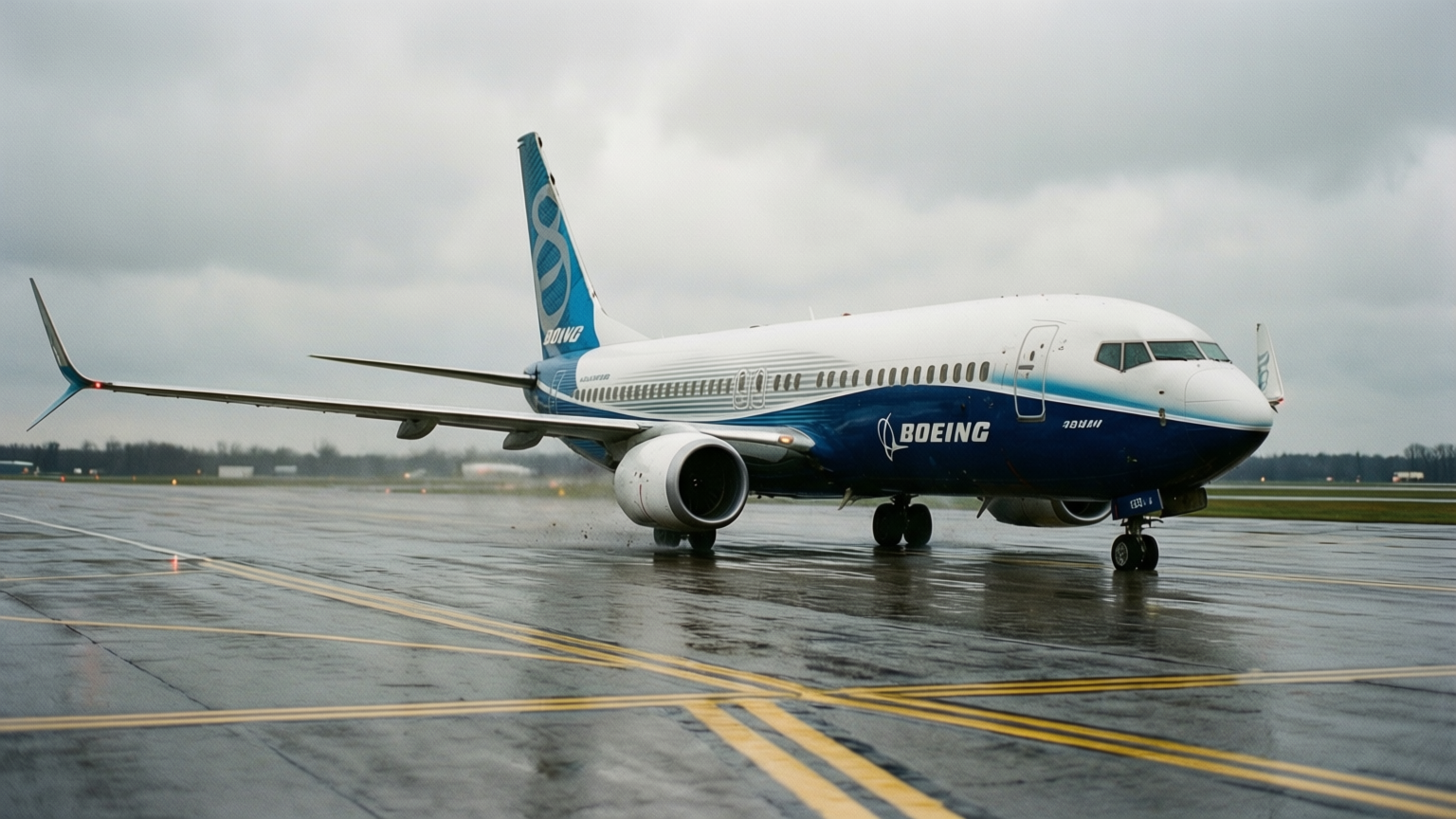
Two American Airlines Boeing 737-800 aircraft collided while lining up for departure at Ronald Reagan Washington National Airport on Friday evening. The incident occurred around 5:10 PM local time near Runway 19, resulting in significant damage to one of the jets and delaying passengers by approximately six hours.
Images from the scene showed that one of the aircraft had lost its winglet, which was subsequently recovered by airport operations. The collision involved American Flight 638, bound for Dallas/Fort Worth International Airport, and American Flight 2152, heading to Chicago O’Hare International Airport. Both planes were taxiing side-by-side on a wide taxiway when the contact happened.
Timeline of the Reagan National Incident
Flight tracking data indicates that both aircraft had taxied out and were positioning themselves to enter Runway 19. Flight 2152 was lined up behind Flight 638. When air traffic control instructed Flight 638 to hold short of the runway, a pilot reported a collision with the adjacent American jet.
A pilot on Flight 2152 confirmed the contact, stating, “Oh yeah, we got clipped,” before noting that the two aircraft had separated. Debris was reported on the ground, with one pilot describing a “whole winglet” that had been torn off. An inbound Envoy Air aircraft was also ordered to go around immediately following the mishap.
In a statement, American Airlines confirmed that the wingtips of both Boeing 737-800s made contact. The airline stated that both planes were taken out of service for maintenance inspections. Passengers on both flights were rebooked for later departures on Friday evening. Flight 2152 eventually left at approximately 11:00 PM, while Flight 638 departed at 11:20 PM.
Winglet Damage and Safety Investigations
The Federal Aviation Administration has confirmed it is investigating the incident. The extent of the damage will determine whether the National Transportation Safety Board also becomes involved. Under NTSB definitions, an incident without serious injuries is only classified as an accident if an aircraft sustains “substantial damage,” a category that specifically excludes damage to wingtips.
Winglets are designed to cut fuel consumption and costs, but they require careful engineering to balance aerodynamic benefits with structural weight. The taxiway leading to Runway 19 is wide enough to accommodate two aircraft lined up side-by-side. The 737-800 has a wingspan of 117 feet 5 inches, including winglets, requiring pilots to maintain strict situational awareness to ensure sufficient clearance.
Hold short lines consist of four yellow lines painted across a taxiway before it meets a runway. Two solid lines are on the taxiway side, while two dashed lines are on the runway side. Pilots must stop before the solid lines unless air traffic control has cleared them to enter the runway. A pilot initially reported moving “slightly over the hold short line” and “swapped paint” with the other jet.
This event marks the second time in less than 20 months that two American-branded aircraft have collided while waiting to depart from Reagan National. A similar wingtip collision occurred in April 2025, involving two American Eagle regional jets. That incident also had several members of Congress on board one of the aircraft.
Ground collisions at major US airports have increased recently. On November 14, a UPS Airlines Boeing 767 freighter and a Copa Airlines Boeing 737-800 collided at Miami International Airport. On October 6, a Delta Air Lines Airbus A350 clipped the horizontal stabilizer of an Air Canada Boeing 777 being towed at Los Angeles International Airport, leaving its winglet lodged in the tail.
Source: Simple Flying
