


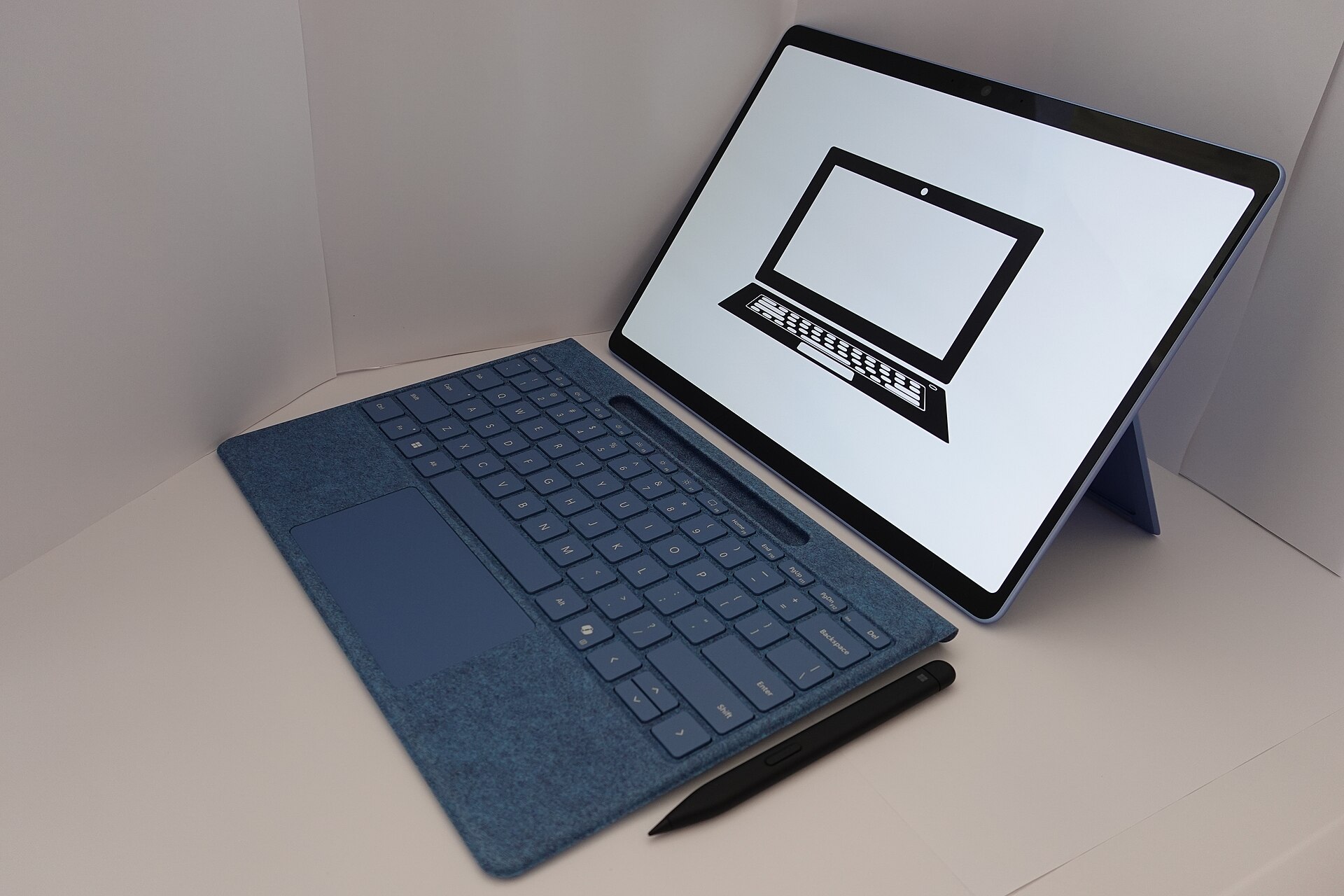
More than 150 medical professionals in England are calling for an immediate reduction in the amount of time children spend looking at digital screens during school hours. The group, which includes general practitioners, paediatricians, and other specialists, argues that current usage levels are harming the physical and developmental health of students.
In an open letter addressed to Education Secretary Lucy Powell and Health Secretary Yvette Cooper, the clinicians warned that tablets and laptops are being deployed in classrooms without a full understanding of their long-term health impacts. They specifically highlighted concerns regarding eye health, noting that many children are being prescribed glasses, hearing aids, and speech therapy for issues that are unintentionally exacerbated by school environments.
Rising Rates of Short-Sightedness
The letter points to a global analysis of 276 studies involving 5.4 million participants to support their claims. According to the clinicians, this data indicates a significant increase in short-sightedness among children and adolescents. The condition rose from approximately 24 percent in 1990 to nearly 36 percent by 2023.
Medical experts note that short-sightedness is not merely a vision issue but is associated with an increased risk of various serious eye health problems later in life. The group stated that nearly one million children in England are using screens in most lessons, often exceeding the recommended daily limits for screen exposure.
“As a country, we need to wake up to this now, and start rolling back screen use in schools before the damage compounds further,” the letter read. The clinicians emphasized that while some evidence is still emerging, the direction of travel is consistent across multiple independent research bodies.
Debate Over Digital Education
Dr Becky Foljambe, an NHS general practitioner and founder of Health Professionals for Safer Screens, told BBC Radio 4 that parents have not been given the opportunity to opt out of what she described as excessive screen use. She argued that an “explosion” in short-sightedness cannot be attributed to genetics alone and criticized the argument that screens are necessary to prepare children for a digital world.
“They also need their sleep, their eyesight, they need rest, they need ability to critically think and appraise,” Foljambe said. She added that the current approach risks children simply not thriving in their education due to physical and developmental strain.

The letter also raised concerns that children with special educational needs are disproportionately directed toward screen-based learning, potentially widening the gap in healthy development for vulnerable students.
Pepe Di Iasio, general secretary of the Association of School and College Leaders, responded by stating that education technology can serve as a very effective learning tool when used correctly. He noted that technology is only one part of an overall learning strategy that includes classroom discussion, physical education, and break times. Di Iasio welcomed the development of practical, evidence-based guidance to support schools in their use of educational technology.
A Department for Education spokesperson confirmed that the government is consulting on new screen time guidance for children aged five to 18. The spokesperson emphasized that technology, when used well, can be a powerful tool to support learners and free up teachers to deliver high-quality education. This follows the implementation of a ban on smartphones in schools in England, which took effect in June and makes individual schools legally responsible for maintaining phone-free environments throughout the day.
Source: BBC
