


Thuringia, often described as the green heart of Germany, sits in the center of the country between Hesse, Saxony, and Bavaria. The region is known for its dense forests, intellectual history, and traditional food. A four-day trip through the area demonstrates that visitors can access its major cultural and natural sites using only public transport.
Erfurt’s Medieval Heritage and Markets
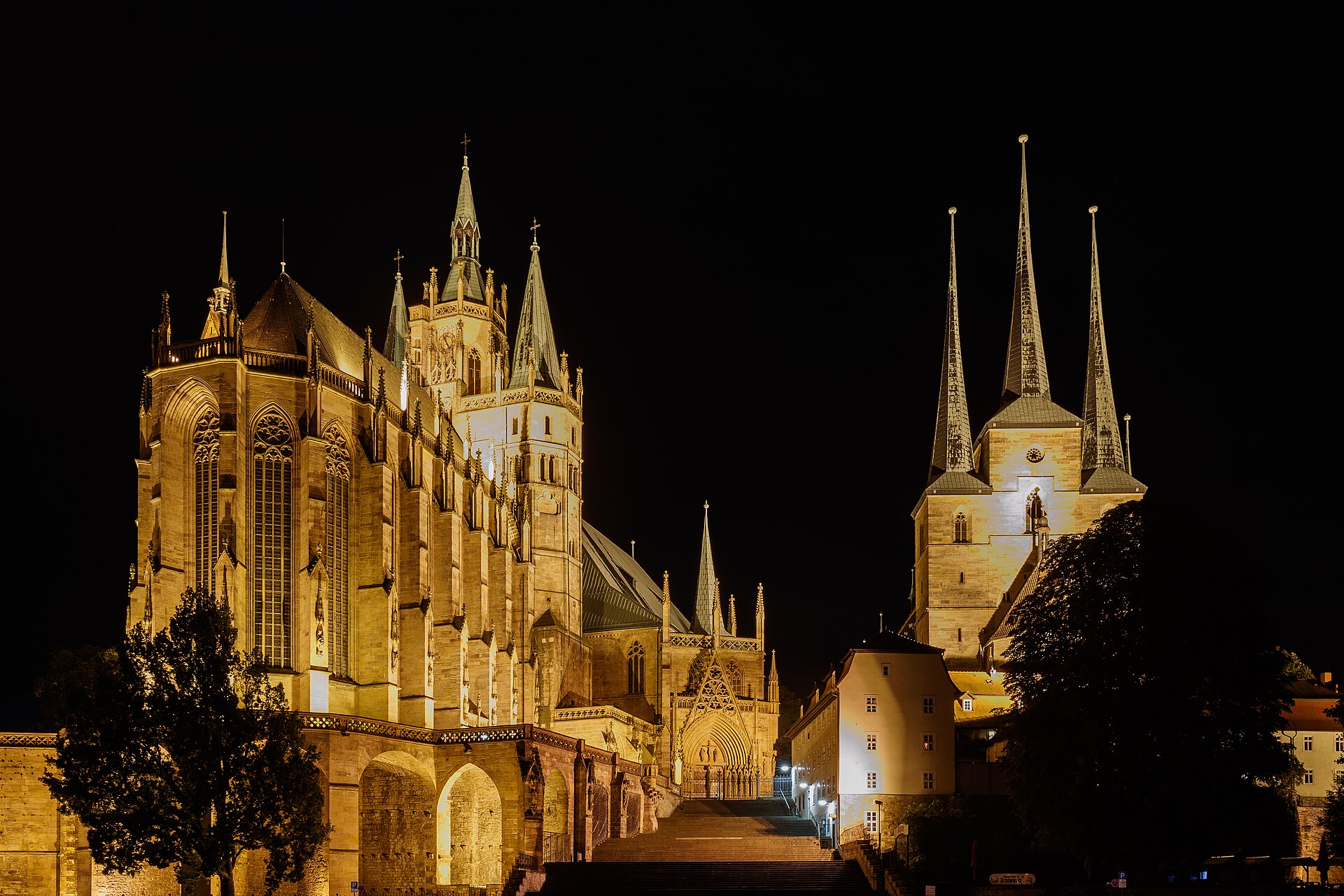
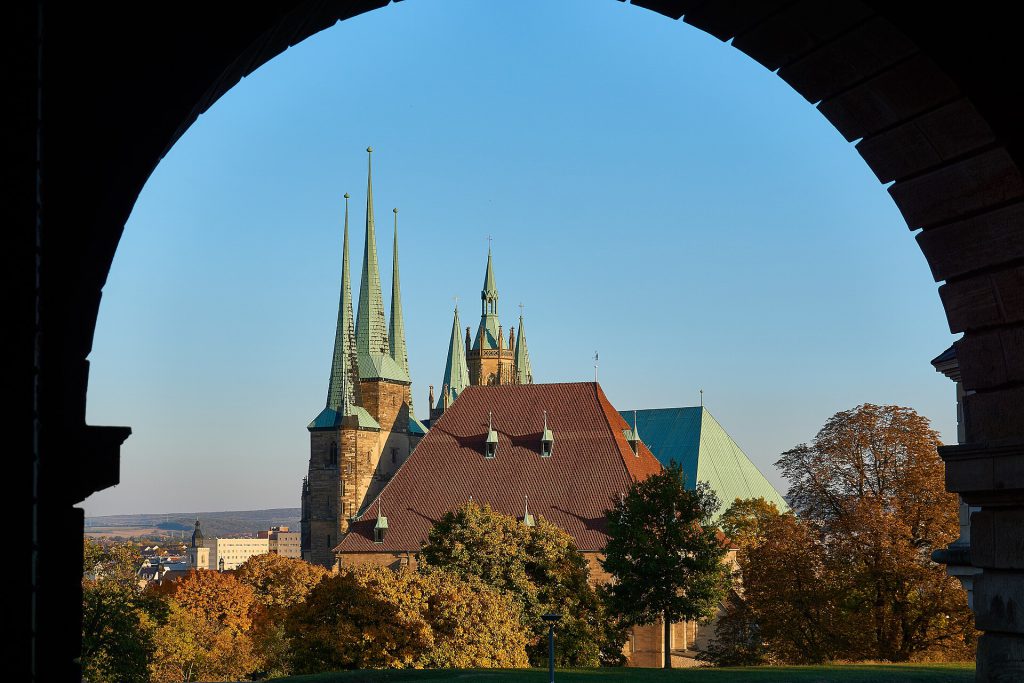
The journey begins in Erfurt, the regional capital. Early mornings at Domplatz feature local growers selling vegetables and flowers beneath the towers of the cathedral. The cathedral is a 14th and 15th century structure that houses the Gloriosa. This bell was cast in 1497 and weighs 12 tonnes. It is the largest free-swinging medieval bell in the world.
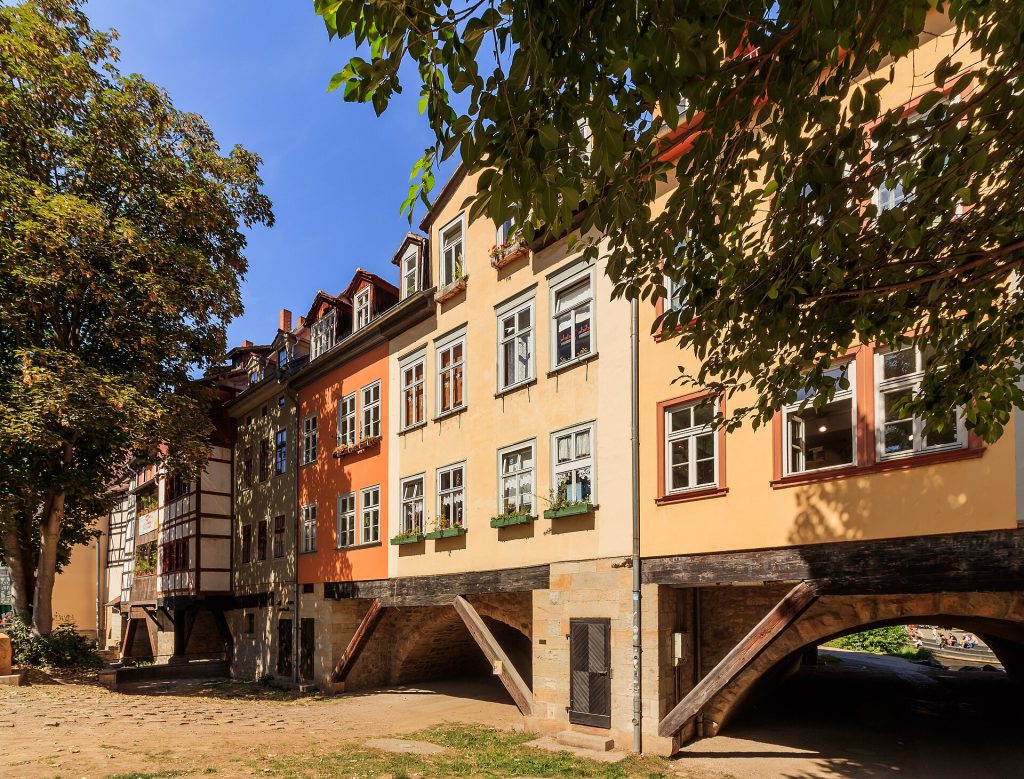
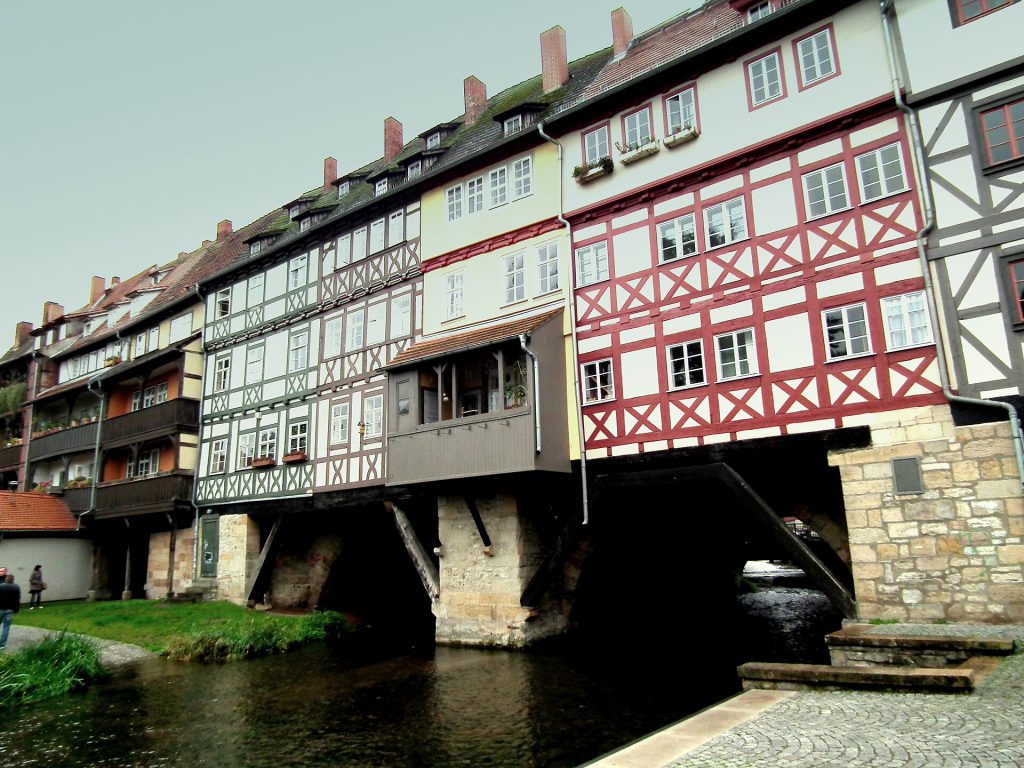
From the market, visitors can walk to the Krämerbrücke. This 14th century bridge is 120 meters long and lined with half-timbered houses. Erfurt grew wealthy from trade routes and the cultivation of woad, a plant used for blue dye. The city also holds significant religious history. Martin Luther studied here and lived as a monk in the Augustinian monastery. The Petersberg Citadel, one of Europe’s largest preserved fortresses, offers underground tunnels and views of the city.
Dining in Erfurt often takes place in historic buildings. The Wirtshaus Christoffel is located in the Haus zur weißen Lilie, a building dating back to the 12th century. The restaurant serves house-brewed beer and beef roulade with Thuringian dumplings.
From Gardens to Bauhaus in Weimar
A short bus ride from Erfurt leads to Egapark. This 36 hectare site was created for an international horticultural exhibition in 1961. The park contains the German Horticultural Museum inside the old Cyriaksburg fortress. Displays include cacti, succulents, and tropical plants.
Another 30 minute bus journey takes travelers to Weimar. This city is the birthplace of the Bauhaus movement and the site where Germany’s first democratic constitution was adopted. The Bauhaus museum displays ceramics, textiles, metalwork, and paintings. The former art school buildings now house the Bauhaus-Universität.
Spa Towns and Ancient Forests
Bad Langensalza is a spa town located 40 miles from Erfurt. The town features 10 parks and themed gardens. Sulphur springs were discovered here in 1811. The Friederiken Therme offers thermal baths using natural sulphur, brine, and mineral water. The Friederikenschlösschen, an 18th century summer residence, has a fountain that has provided healing sulphur water since 1812. The town also includes a Japanese garden called Kofuku no Niwa.
Hainich National Park is 10 minutes from Bad Langensalza. The park covers 7,500 hectares and is part of a UNESCO World Heritage site. It contains Germany’s largest unbroken deciduous woodland. The forest has 75 miles of signposted walking trails. Park director Rüdiger Biehl stated that parts of the landscape have been left untouched for decades without human interference.
Visitors can stop at the Forsthaus Thiemsburg restaurant before hiking. The menu includes roast pork in black beer and Thuringian dumplings. The meal is often accompanied by a Köstritzer pilsner. The Baumkronenpfad is a wooden walkway that rises to a 44 meter observation tower. The view reaches the canopy of an oak tree estimated to be 350 years old. The forest floor retains deadwood to support rare insects and Bechstein’s bats.
The trip concludes in Erfurt with a symphony concert at Theaterplatz. This event highlights the mix of culture and nature available in the region. The German National Tourist Board provided the trip. The Dorint Hotel am Dom in Erfurt offers doubles from £85. VMT provides journey planning information for buses, trains, and trams in central Thuringia.
Source: The Guardian
