


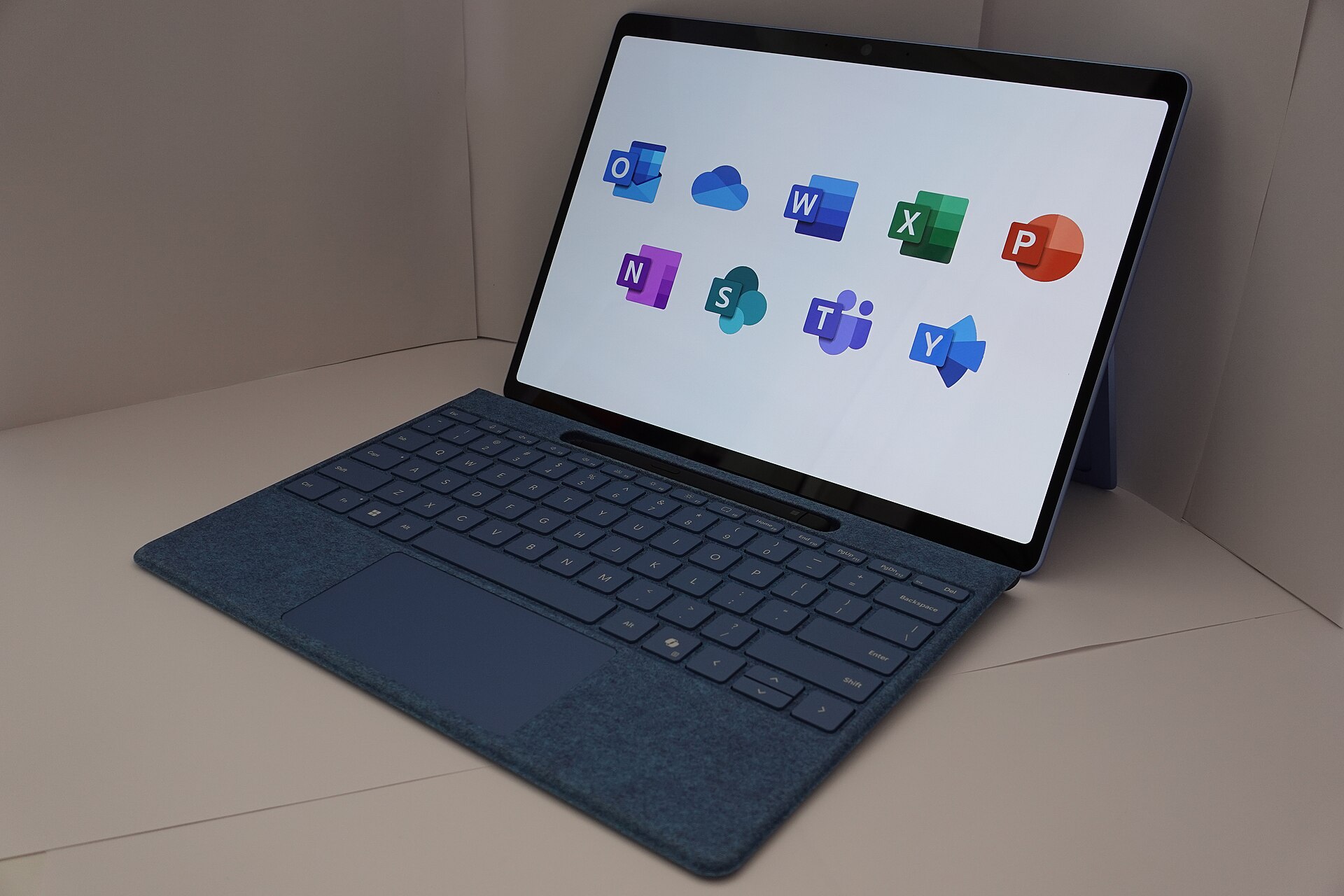
The Netherlands Tax and Customs Administration has officially canceled its planned migration to Microsoft 365 public cloud services. The decision marks a significant pivot away from American cloud infrastructure toward on-premises systems and open source software. This move aligns with a broader trend across European governments seeking greater control over their digital infrastructure.
Digital Sovereignty Concerns
The cancellation follows a recommendation from the Dutch Advisory Council on ICT Assessment. The council identified critical flaws in the proposed Microsoft 365 design, specifically regarding information security and future-proofing. A primary concern was the handling of confidential government documents. The assessment noted that sending sensitive data through American servers posed risks to data confidentiality and control.
Security protocols were another major hurdle. The proposed Microsoft 365 setup relied on standard encryption methods rather than Double Key Encryption, which would have provided the administration with greater control over its data. Additionally, end-to-end encryption for one-to-one Teams calls was not enabled by default. Group calls lacked this protection entirely under the selected configuration. These technical shortcomings were deemed unacceptable for a government body handling sensitive tax information.
The assessment also highlighted issues with vendor lock-in and reduced flexibility. The council argued that the current deployment design lacked an adequate exit strategy. These concerns reflect a wider sentiment in Europe regarding digital sovereignty. According to the Linux Foundation Europe, 94% of EU organizations consider digital sovereignty important. This push for autonomy is driving many European agencies to reduce reliance on US tech giants.
Shift to Open Source and On-Premises Solutions
The Dutch government will not immediately replace all Microsoft Office applications with a single open source suite. Instead, the administration will retain existing Microsoft software for the time being. The immediate focus is on transitioning email and calendar services to an on-premises environment. State Secretary for Finance Eelco Eerenberg outlined a timeline for this transition in a letter to Parliament.

Under the new plan, the provision for mail and calendar will be realized on-premises in 2027. Later in 2027 and into 2028, European open source solutions for personal storage and collaboration will follow. This phased approach aims to create a more sustainable and autonomous solution for these functionalities. The government is exploring various open source options, including Germany’s openDesk and France’s La Suite for desktop environments.
Other Dutch government agencies are also developing the Digitaal Autonome Werkomgeving Overheid (DAWO). This initiative involves replacing Windows desktops with the Dutch Linux distribution NixOS. The tax authority’s decision is part of this larger national effort to build a digital autonomous work environment. The Netherlands is not alone in this shift. Other European countries, including Austria, France, Germany, and Ireland, have also moved toward Linux and open source programs.

The cancellation of the Microsoft 365 rollout underscores the growing emphasis on data sovereignty in the public sector. By moving away from public cloud services, the Dutch tax authority aims to maintain strict control over its data. This strategy prioritizes security and autonomy over the convenience of managed cloud services. The specific open source software stacks for the new environment have not yet been finalized.
Source: ZDNet
