


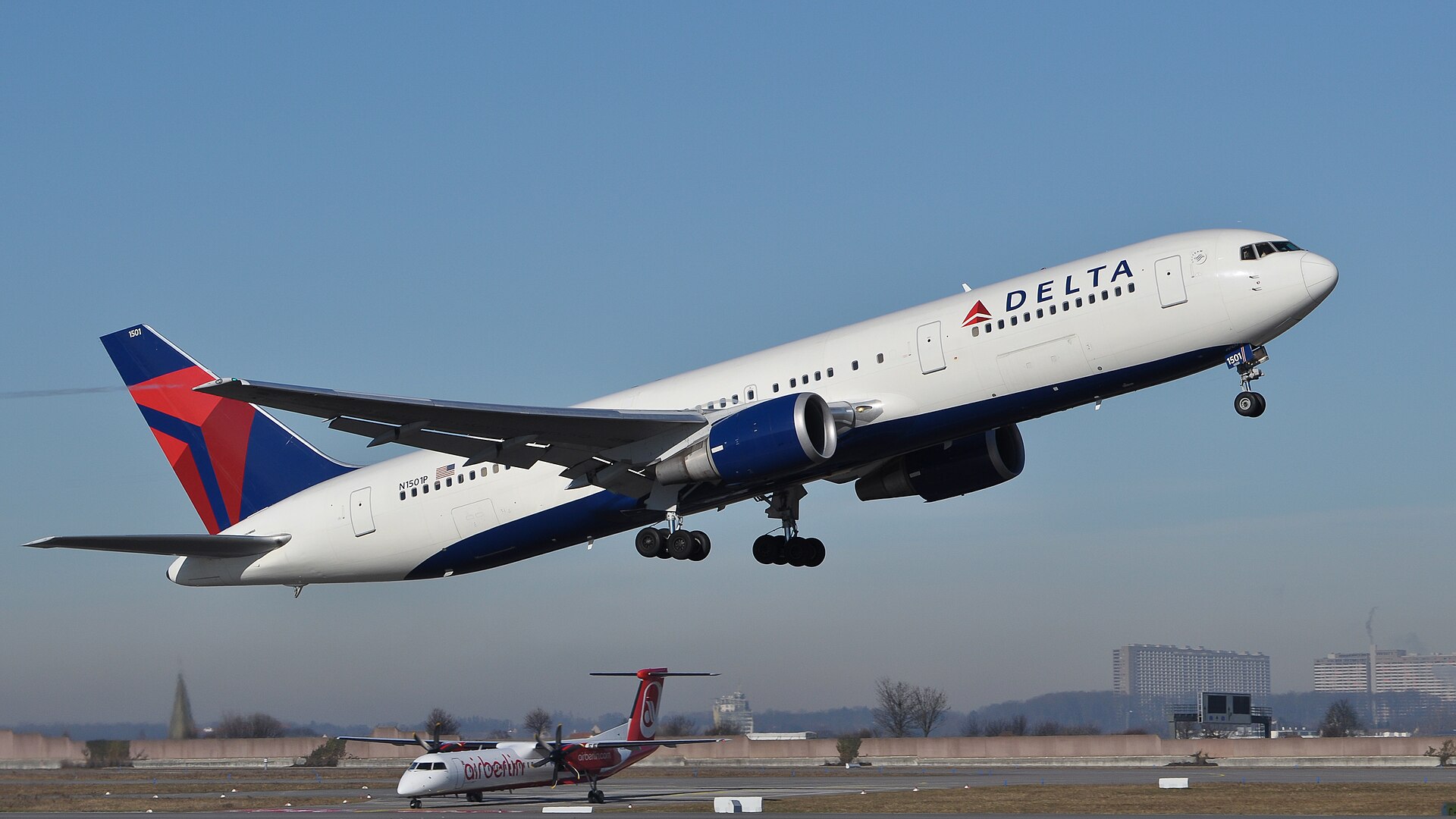
Delta Air Lines has officially unveiled its most extensive premium business-class overhaul in nearly three decades. The airline announced the new Delta One experience on Wednesday, marking a significant step in its strategy to dominate the international premium travel market. The initiative includes upgraded dining, exclusive beverages, enhanced hospitality, and improved sleeping amenities. While the details have been discussed for months, this announcement represents the formal launch of what the carrier calls a “new era” for its top-tier service.
The new experience will debut on transoceanic Delta One flights departing from Los Angeles International Airport (LAX) this fall. Following this initial rollout, the changes will expand throughout Delta’s global network in early 2027. This service update is part of a broader fleet modernization program exceeding $1 billion. The investment includes next-generation Delta One suites on incoming Airbus A350s and redesigned interiors on older A330 aircraft. The airline is also expanding its exclusive lounge network and other premium services to support the new cabin offerings.
New Culinary Program and Beverage Selection
At the core of the overhaul is a new culinary program developed with chefs Simon Hulstone, Norio Ueno, and Jereme Leung. The menu focuses on elevating familiar favorites rather than introducing overly elaborate dishes. Key items include a Wagyu beef burger, roasted sea bass, braised lamb, beef short rib, and seasonal risotto. The scale of the operation is substantial, with Delta producing eight million Delta One meals annually across 50 international kitchens. The new program incorporates more than 700 ingredients.
Beverages are receiving equally significant attention. Delta is becoming the first airline to serve Blanton’s Single Barrel Bourbon. Dassai 45 sake will be introduced on services to Tokyo Haneda Airport (HND). A redesigned wine program, developed with Master Sommelier Andrea Robinson, includes 13 premium selections from 11 wineries. These selections were chosen from evaluations of more than 1,600 wines. Champagne Taittinger will also expand to domestic Delta One flights. New Hugo Spritz and Paloma cocktails and mocktails will arrive in 2027.
The improvements extend to how meals are served. Delta is introducing redesigned tableware, freshly cracked pepper, tableside sauces, and an upgraded dessert cart. The cart features premium sundae toppings and a Champagne sorbet float. The airline’s existing premium dining ambitions are already evident at its Los Angeles Delta One Lounge, where personalized restaurant-style service is central to the experience. The challenge will be delivering comparable consistency across thousands of international flights.
Operational Changes and Amenity Updates
Ranjan Goswami, Delta’s chief marketing and product officer, stated that the changes are grounded in customer insights and the expertise of hundreds of Delta people. “Our reimagined experience is rooted in solving real customer needs and desires, with intentionality behind every detail,” Goswami said. “Every investment we make is deliberate and designed to deliver the industry’s most premium end-to-end travel experience.”
Beyond dining, Delta is introducing greater flexibility in how passengers structure their flights. Entrées can now be preselected up to 18 hours before departure, which is six hours closer than before. Expanded options include gluten-free and lighter meals. Travelers prioritizing sleep can skip the full breakfast service in favor of coffee and a croissant before landing. A new “sip and settle” service combines a hot towel, warm nuts, and a preferred beverage without unnecessarily interrupting passengers.
The airline is also refreshing its partnership with Italian fashion house Missoni. New Winter Elsewhere amenity kits will debut on November 3 and include Grown Alchemist skincare, Marvis dental products, and other essentials. A new Missoni Mini pillow will eventually replace the existing cuddle pillow across transoceanic routes. Bombas socks return on selected flights. These additions build on Delta’s earlier investments in Missoni-branded premium amenities and bedding, reflecting the growing importance of sleep quality in business-class competition.
Even after gathering insights from thousands of Delta One customers, Delta conducted extensive internal testing before today’s announcement. More than 200 Delta flight attendants and other employees contributed feedback over 14 months. This included 36 dedicated trial flights and more than 200 individual submissions. Their recommendations helped shape over 60 new tableware pieces, adjustments to meal presentation and cabin service, and the rollout itself. Rather than introducing everything at once, Delta will roll out the new experience progressively through 2027, allowing crews to adapt to updated procedures.
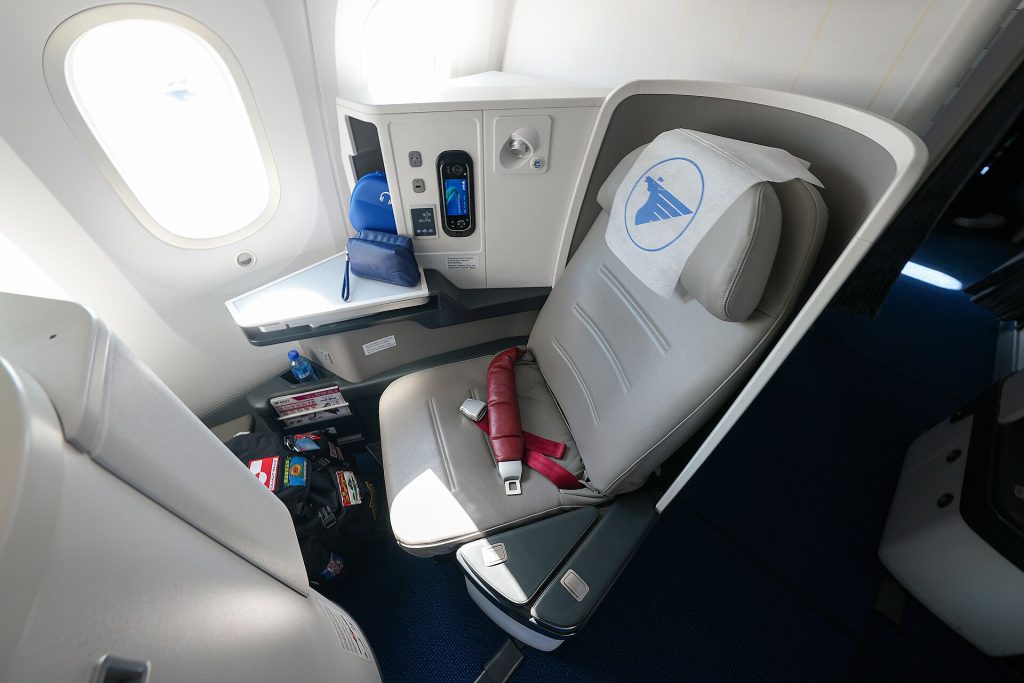
The revamped service is nicely timed with the arrival of Delta’s new flagship A350-1000, scheduled to join the fleet in early 2027. Its new Delta One suites will feature lie-flat beds more than three inches longer than current versions, 24-inch entertainment screens, wireless charging, and improved storage. Delta said more than 35,000 engineering hours went into the suite program, involving over 50 suppliers in 15 countries. Meanwhile, older A330-200s and A330-300s will receive suites with privacy doors, helping Delta reach its goal of 90% enclosed Delta One seats by 2030.
The transformation also extends beyond the aircraft. Delta now operates dedicated Delta One Lounges at LAX, John F. Kennedy International Airport (JFK), Boston Logan International Airport (BOS), and Seattle-Tacoma International Airport (SEA). Nearly 1,300 aircraft have Delta Sync WiFi. Its ground transportation partnership with Porsche is expanding from 40 to 70 hybrid vehicles across 15 airports and hubs by 2028. Delta One passengers must book VIP Select for the Porsche service. The financial justification for these investments is increasingly compelling. Delta’s third-quarter 2026 results show premium ticket revenue reached $6.82 billion, narrowly surpassing main-cabin ticket revenue of $6.80 billion. Premium revenue rose 18% year over year, versus 12% for the main cabin. As American Airlines and United Airlines introduce their own upgraded premium cabins, Delta is betting that superior hospitality will prove just as important as the hardware itself.
Source: Simple Flying
