


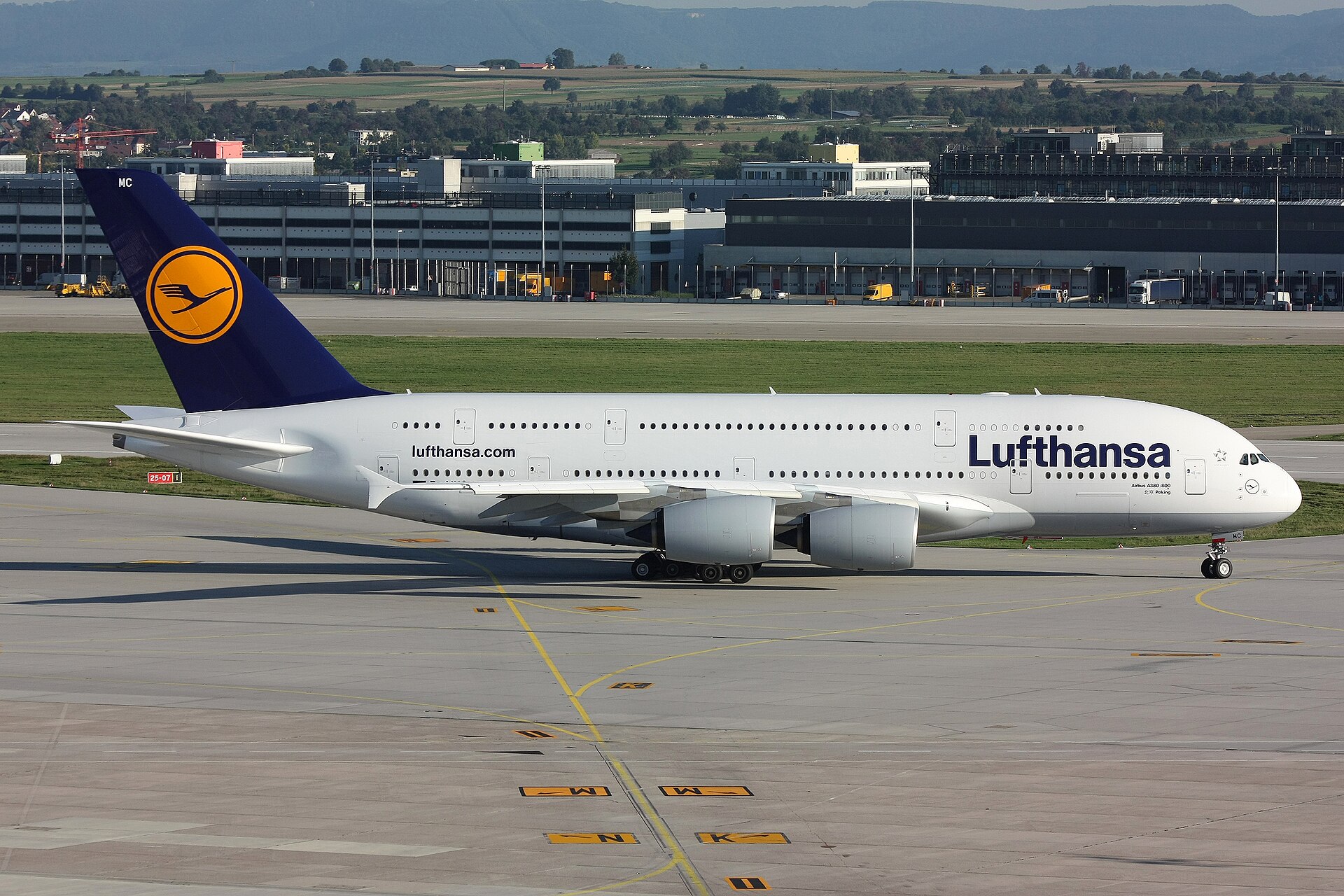
Lufthansa has instructed crews on select flights to carry additional fuel when returning to its hub at Frankfurt Airport (FRA). The German flag carrier is using this practice, known as tankering, to mitigate potential disruptions caused by maintenance on a fuel pipeline and low water levels in nearby rivers that limit barge deliveries.
The move primarily affects short-haul flights but also involves some long-haul routes. By taking on more fuel at outstations, Lufthansa aims to reduce or eliminate the need to refuel upon arrival in Frankfurt. This strategy is designed to ease pressure on the airport’s fuel supply infrastructure while ensuring reliable flight operations.
Infrastructure Constraints at Frankfurt Hub
The decision follows reports from Germany’s Bild newspaper, which cited internal memos sent to Lufthansa pilots. The memos directed certain flights to maximize fuel loads before departure to minimize ground time for refueling. This precautionary measure comes as the airport faces dual supply constraints.
Frankfurt Airport is the largest operator at its hub, and fuel supply stability is critical for its operations. The airport’s owner and operator stated to Reuters that operational capability remains unaffected due to existing storage and other supplies. However, Lufthansa is taking no chances given the recent logistical challenges.
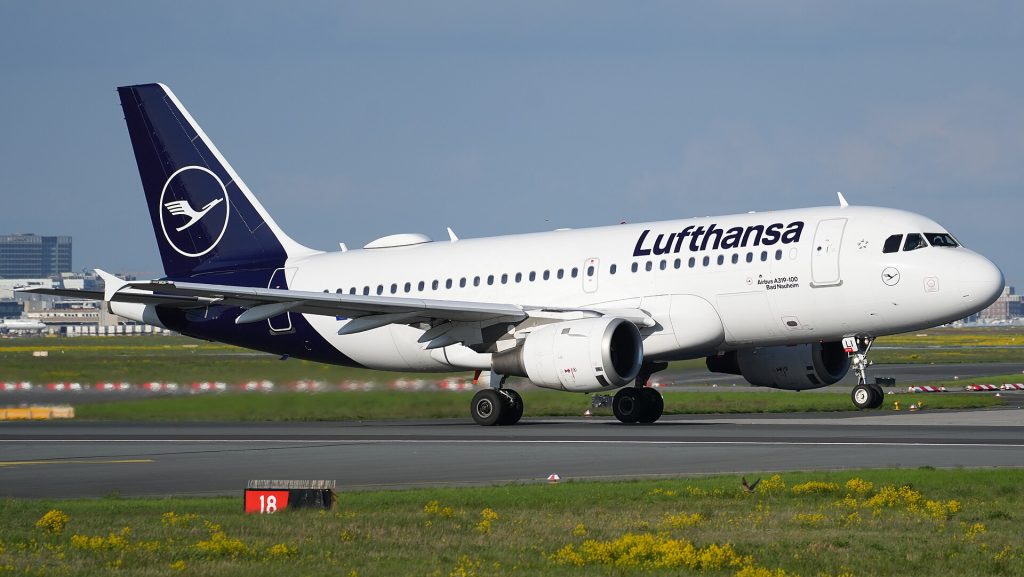
Low river levels have already restricted fuel deliveries by boat, a common method for transporting fuel to the region. The additional maintenance on a fuel pipeline has further constrained available supplies. These factors combined have prompted the airline to adjust its operational procedures to maintain schedule integrity.
Operational Limits and Environmental Impact
Tankering involves taking on extra fuel at an outstation to ease supply pressures back at the base. While this practice can ensure operational continuity, it has been a contentious subject in European aviation due to environmental concerns. In 2019, reports indicated that tankering could contribute to significant additional CO2 emissions annually.
To balance operational needs with safety and efficiency, Lufthansa has imposed specific limits on the extra fuel carried. Reuters notes that for Airbus A320 series aircraft, the airline caps the additional capacity at eight tons. This limit ensures that aircraft are not so heavy that they cannot be towed if necessary.
Furthermore, the airline has ensured that the extra fuel does not require a reduction in passenger or cargo payload. A Lufthansa spokesperson confirmed that flight cancellations are not expected as a result of these measures. Passengers and freight forwarders should not experience operational impacts on their journeys due to this fuel strategy.
Recent Supply Chain Disruptions
This is not the first time Lufthansa has addressed fuel supply issues this year. In April 2026, the airline cut approximately 20,000 summer flights from its schedule. Those cuts were driven by fuel becoming scarcer and more expensive due to US and Israel’s attacks on Iran and the resulting supply chain issues.
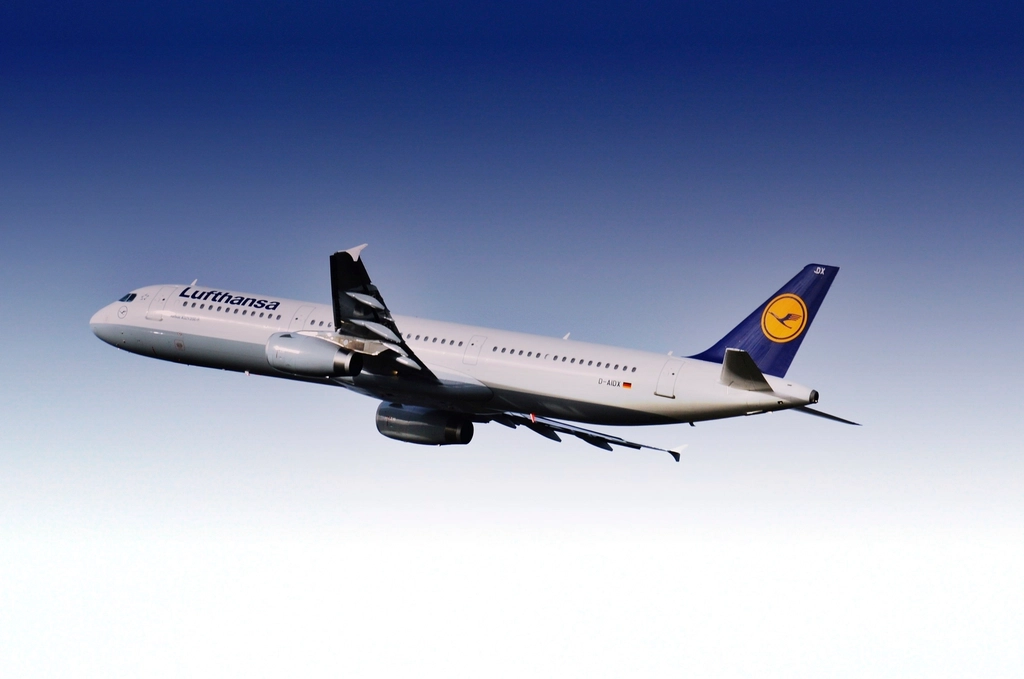
Those earlier cuts primarily targeted short-haul flights. The airline also shut down its Lufthansa CityLine regional arm earlier that month. The carrier noted that many CityLine aircraft were nearing the end of their service lives, and the decision was made to protect the wider Lufthansa Group from bigger losses elsewhere.
The current tankering initiative reflects the airline’s ongoing efforts to navigate complex logistical challenges. While the immediate threat of cancellations appears low, the situation highlights the vulnerability of air travel supply chains to both local infrastructure issues and global geopolitical events.
Lufthansa continues to monitor the fuel supply situation at Frankfurt. The airline has stated that it is taking various measures to ensure reliable flight operations. The duration of these specific fuel loading instructions will depend on the completion of pipeline maintenance and changes in river levels.
Source: Simple Flying
