


The Linux kernel project has officially removed a rule that required contributors to explicitly declare the use of artificial intelligence tools in their code submissions. The policy, which was implemented in January, mandated that developers add an “Assisted-by” tag to patches if they used advanced coding aids during creation. Maintainers have now deleted this requirement from the project documentation, signaling a shift in how the open-source community approaches automated assistance.
Torvalds Rejects Tool-Based Restrictions
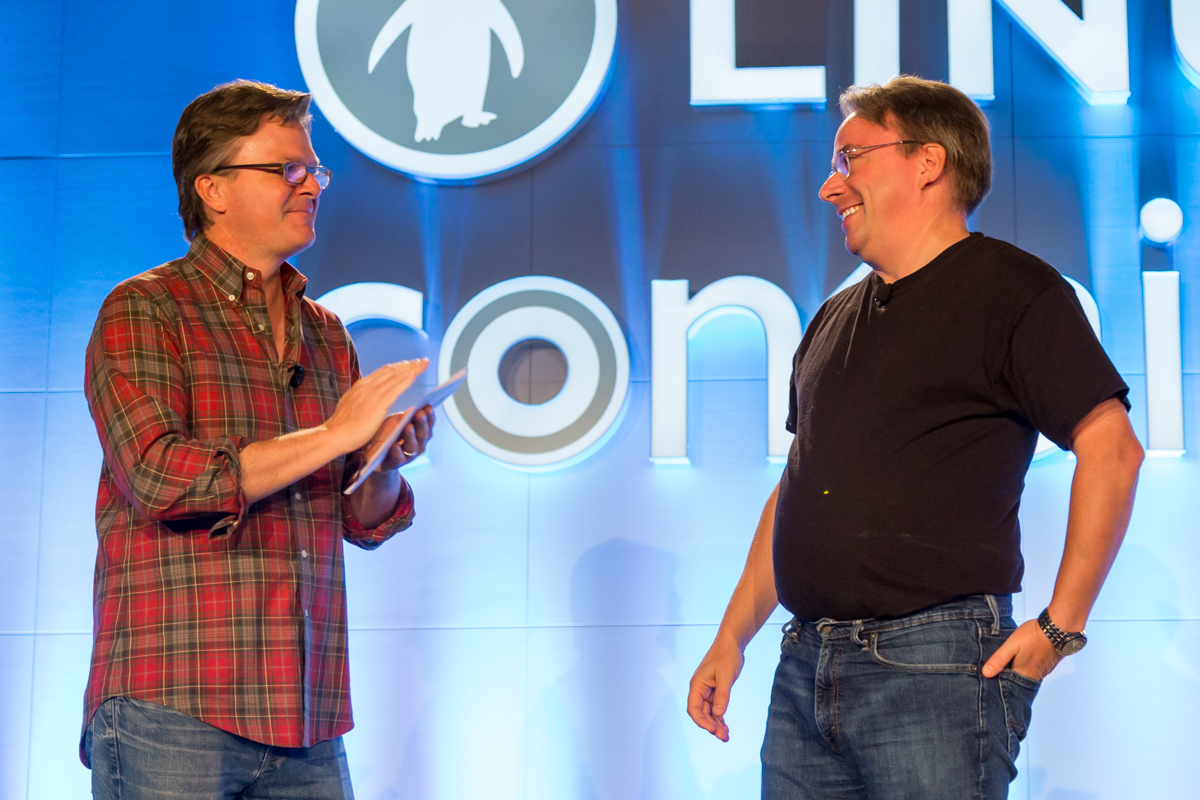
The decision follows a discussion on the kernel mailing list where contributor Laurent Pinchart raised concerns about the removal of the disclosure tag. Linus Torvalds, the creator and lead maintainer of the Linux kernel, responded by emphasizing that the primary responsibility of a contributor is to understand the code they submit, regardless of how it was generated.

“I don’t understand this whole idiotic concept of ‘don’t use AI for X,'” Torvalds wrote. “The kind of expectations I have is that people do their best and I expect people to understand what they are doing. But that understanding has very little to do with what tools they use.”
Torvalds argued that the presence of an AI tag does not help maintainers distinguish between high-quality code and poor submissions. He noted that developers can produce excellent work with AI assistance or generate flawed code without it. The core metric for acceptance remains the developer’s comprehension of the logic and functionality, not the specific software used to draft the text.
Comparison to Traditional Development Tools
To illustrate his point, Torvalds compared hypothetical bans on AI to restrictions on fundamental programming tools like compilers. He suggested that requiring developers to write kernel code in assembly language to prove they understand machine operations would be equally absurd.
“Do you not see how utterly stupid those kinds of rules would be?” he asked. “So no. We are not going to make stupid rules that say ‘you can’t use tools for X’.”
This stance aligns with Torvalds’ general view that AI is a useful tool in the coding process, provided it does not replace the developer’s critical thinking. He has previously expressed frustration with the volume of low-quality submissions, often referred to as “slop,” that the kernel team must review. However, he maintains that filtering out bad code is a matter of rigorous review, not a ban on specific technologies.

The removal of the disclosure rule reflects the ongoing challenge for open-source projects to adapt to rapid technological changes. While the Linux kernel has established clear guidelines for code quality and attribution, the integration of generative AI continues to evolve. The project’s leadership has chosen to focus on the output rather than the method of production, leaving the broader industry to determine how best to manage AI contributions in collaborative software development.
Source: PC Gamer
