


Horncastle as a Base
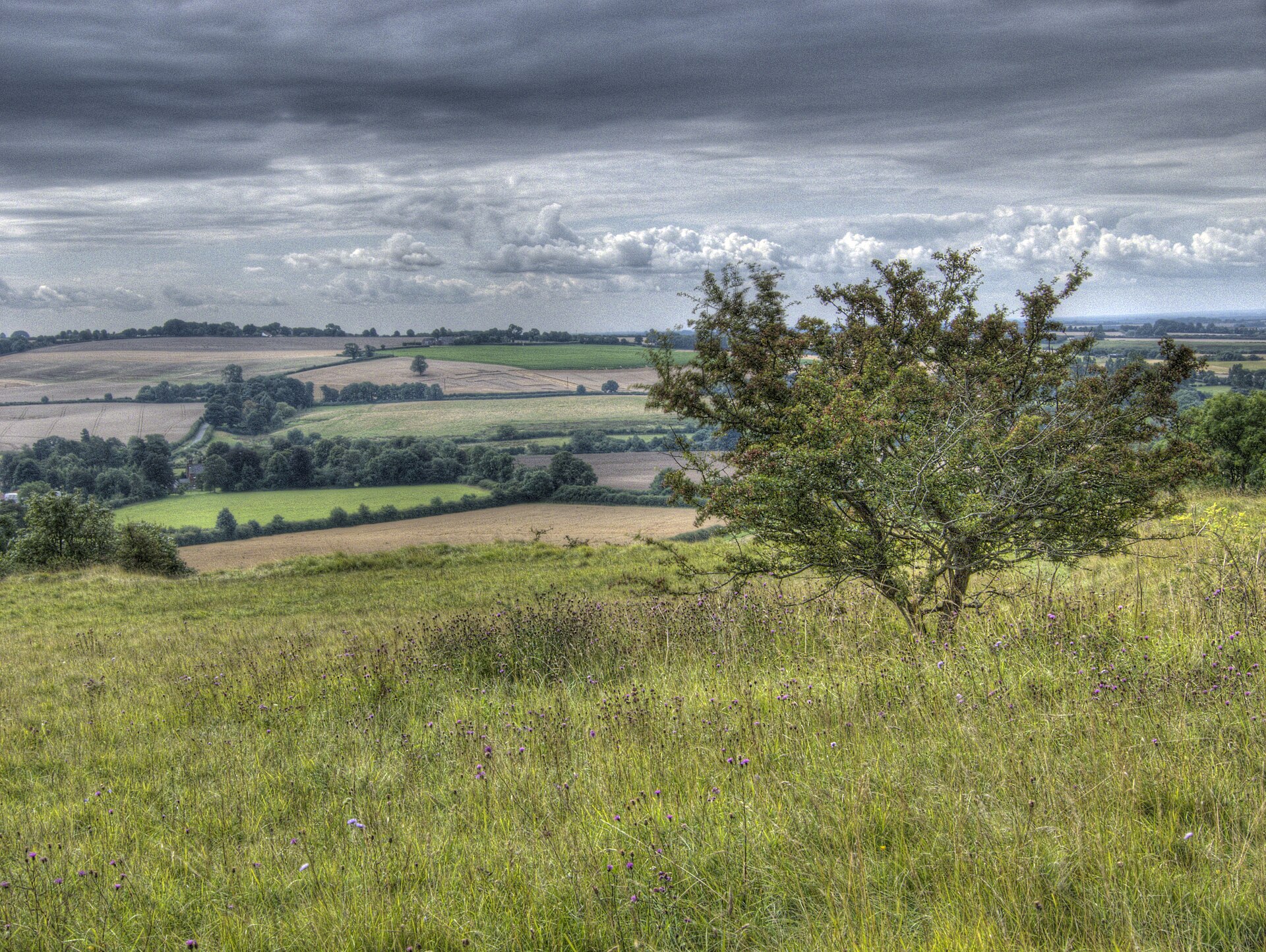
The Lincolnshire Wolds National Landscape spans 216 square miles of rolling hills and chalk valleys. This area inspired Victorian poet Alfred Tennyson, who lived in the nearby village of Somersby for most of his early life. His verses often described the local barley fields and rye that “clothe the wold and meet the sky”.
Horncastle sits on the southern boundary of the Wolds, roughly halfway between the city of Lincoln and the coast. The town bills itself as the gateway to the region. It features brick houses, regular markets on Thursdays and Saturdays, and reliable public transport links.
Antique shopping is a major draw in Horncastle. Laurence Shaw operates a wholesale business on East Street with decades of experience. Across the road, the Trinity Centre, housed in an old chapel, displays porcelain, jewellery, and other collectibles under Victorian glass. The Stanhope Antique Centre nearby offers items ranging from decoy ducks to grandfather clocks.
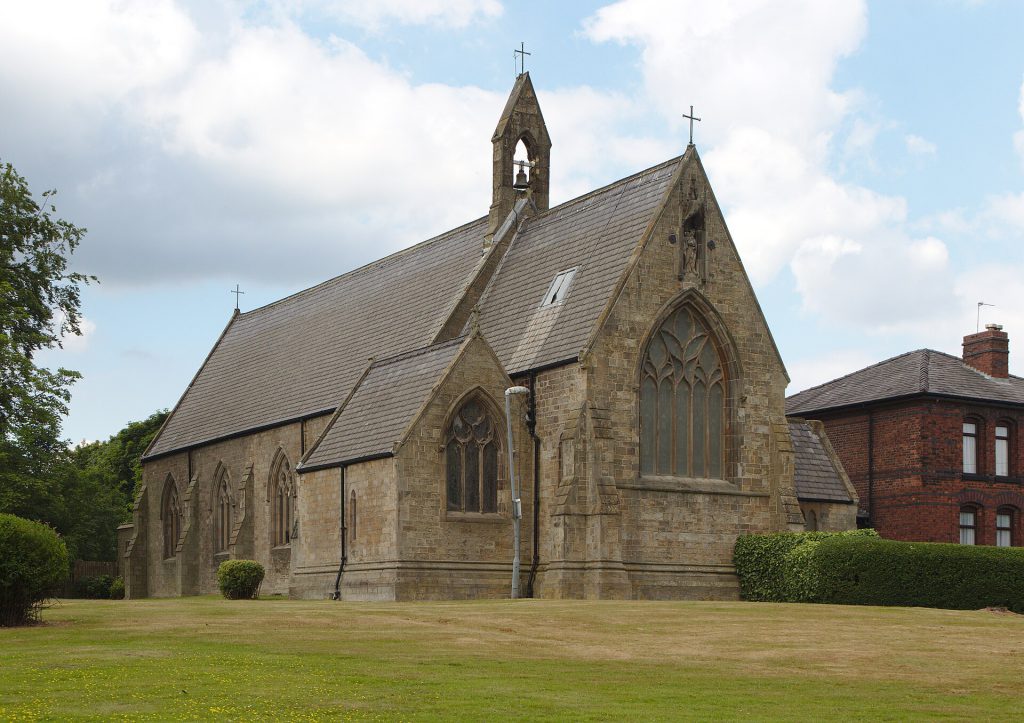
St Mary’s church in Horncastle dates to the 13th century. Its rafters feature gold angels, and stained glass windows include lines from Tennyson’s poem “Ring out, wild bells”. The Riverscape Walk, launched last year, passes a canal basin, a watermill, and former leather tanning warehouses.
Tennyson Heritage and Nature Walks
Visitors do not always need a car to explore the area. The hourly 56 bus runs from Lincoln to Skegness, stopping in Horncastle and then Hagworthingham. From Hagworthingham, a six-mile loop of footpaths leads to Somersby, Tennyson’s birthplace, and Bag Enderby. The latter village has a 15th-century font in St Margaret’s church carved with medieval scenes. The suffix “-by” in the name comes from an Old Norse word for village.
Snipe Dales nature reserve is another accessible spot. A three-metre wooden snipe sculpture by Nigel Sardeson sits on a wooded bank. The valleys contain meadowsweet and water mint, with birdsong from goldcrests and buzzards. The Viking Way long-distance walk runs through the area. It is 149 miles long and runs from Rutland Water to the Humber.
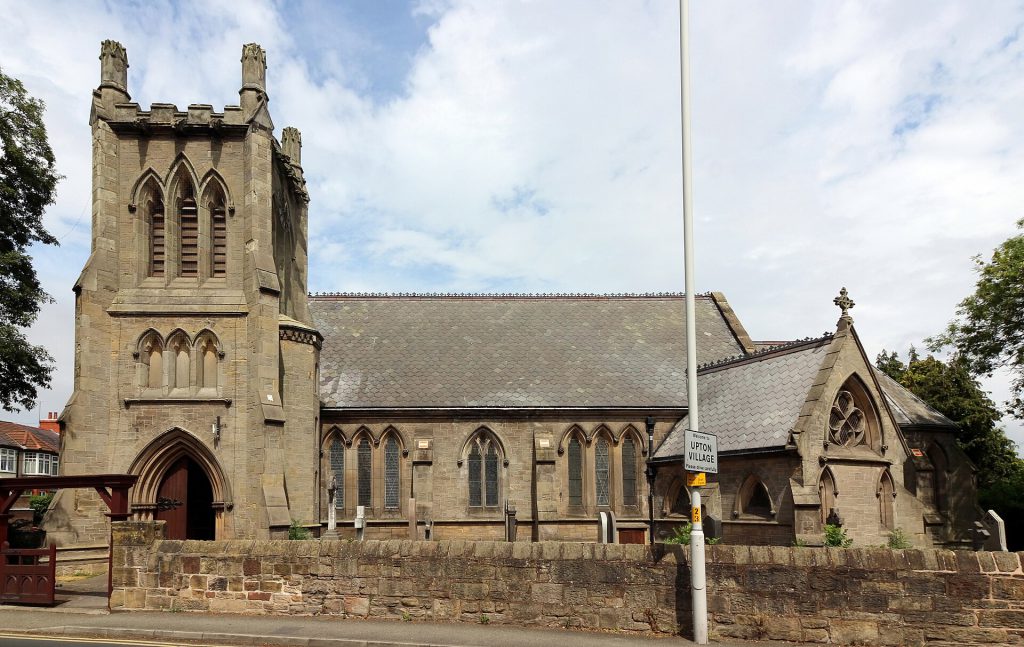
The Joseph Banks Centre in Horncastle serves as a tourist information point and museum. Joseph Banks was a botanist who sailed with Captain Cook and helped create Kew Gardens. The museum courtyard features hydrangeas, which Banks helped introduce to Britain.
Dining and Stays
Woodhall Spa is an Edwardian village six miles from Horncastle. It has wide avenues and black-and-white buildings. Nineteenth-century entrepreneurs found mineral-rich water here while digging for coal. The village has a Dambusters memorial, the Kinema in the Woods cinema opened in 1922, and a Tea House and Cottage Museum.
Myers Bakery in Horncastle is known for Lincolnshire plum loaf. Pedal and Paws serves pizzas and salads. No 8 Coffee Shop opened in March 2026 and offers cinnamon-bun matcha and pistachio hot chocolate. Montebello serves Italian food in the former Angel Inn. Magpies offers refined dining with Grimsby crab linguine and Lincolnshire lamb.
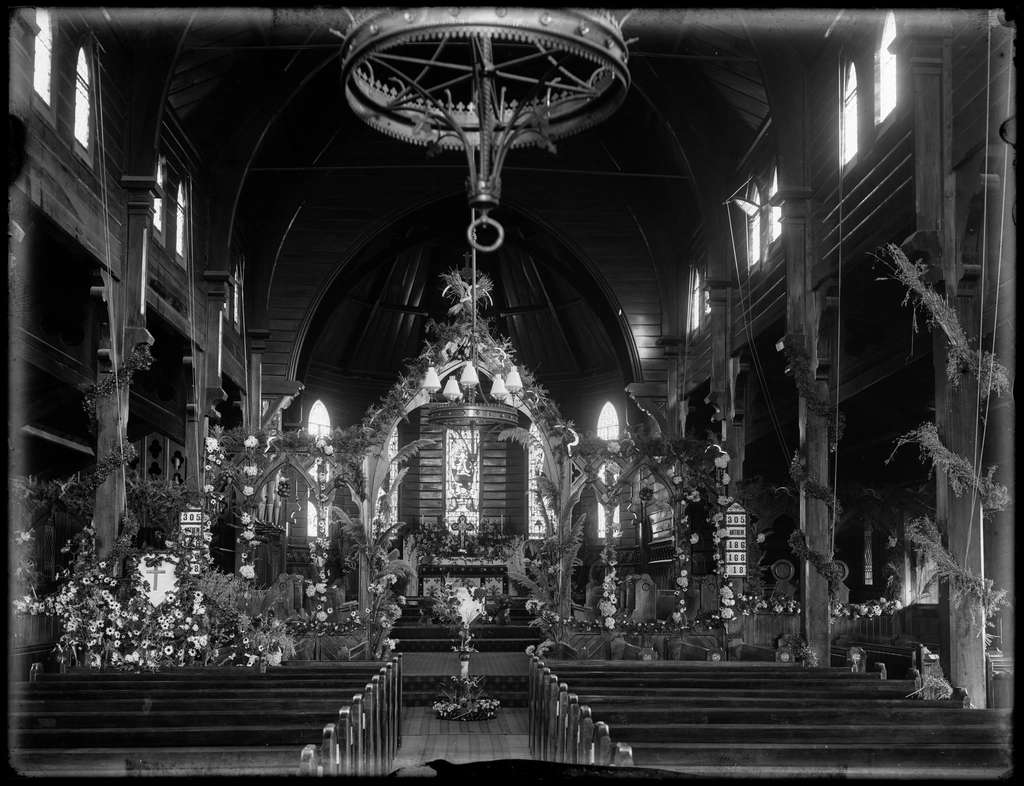
The Admiral Rodney Hotel is located in the centre of Horncastle. Rooms start at around £100 for a double. The hotel features a conservatory with peacock fanlights. Dinner options include pan-fried sea bass with pickled fennel and sticky date pudding with butterscotch sauce.
The 56 bus takes 50 minutes from Lincoln bus station to Horncastle. The 30 bus takes 10 minutes longer. The B617 bus runs from Horncastle to Woodhall Spa. The coast is 20 miles away.
Source: The Guardian
