


High-end hotels, farm shops, and scenic locations are increasingly restricting photography and filming to protect guest privacy and restore a relaxed atmosphere. The move comes in response to a growing backlash against content creators who treat public spaces as personal studios, often disrupting other visitors.
Luxury venues enforce strict rules
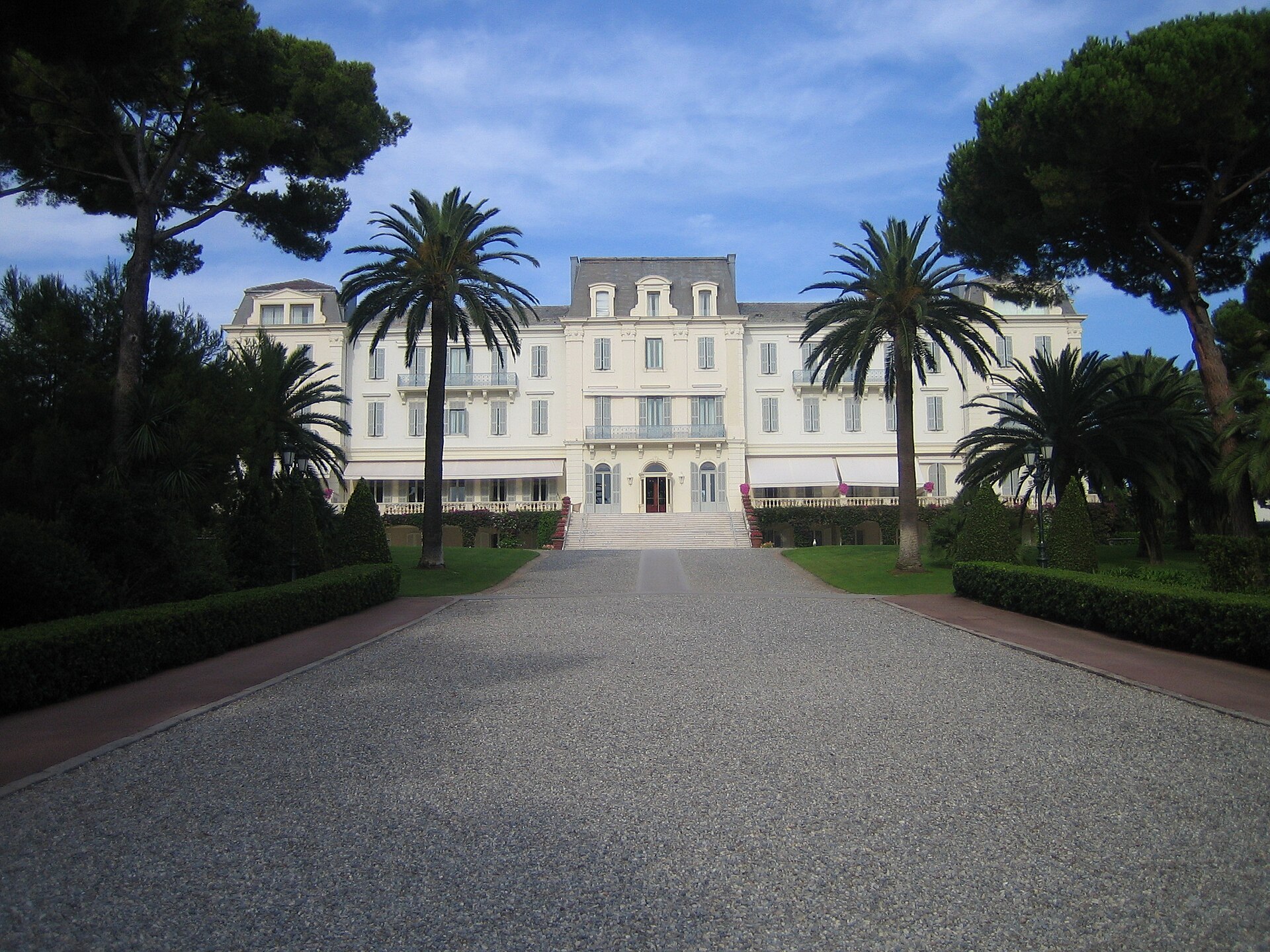
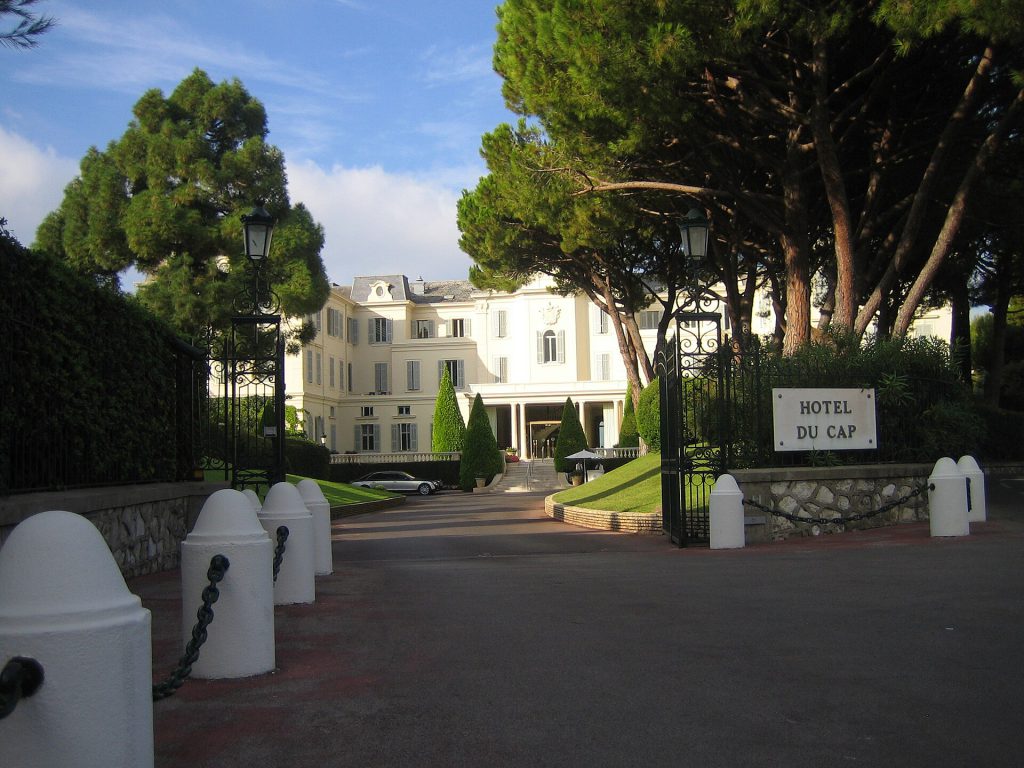
The five-star Hotel du Cap-Eden-Roc in Antibes, France, has introduced rules prohibiting photoshoots without prior permission. The decision follows reports of individuals booking lunch reservations solely to change outfits and take pictures in the hotel’s infinity pool and dining areas. These visitors often arrived with bags of clothing and jewelry, using the venue’s amenities for social media content rather than dining.
Sophie Volant, the hotel’s manager, told Travel Weekly that the property must balance its role as a hospitality venue with the need for discretion. She noted that while guests appreciate the vibrant atmosphere, they also expect their summer home to remain private. The hotel is not alone in this approach. Anna Fedou, chief marketing officer at the Beaumier hotel group, stated that while her company sometimes collaborates with influencers, the primary focus remains on providing a restful experience for travelers.
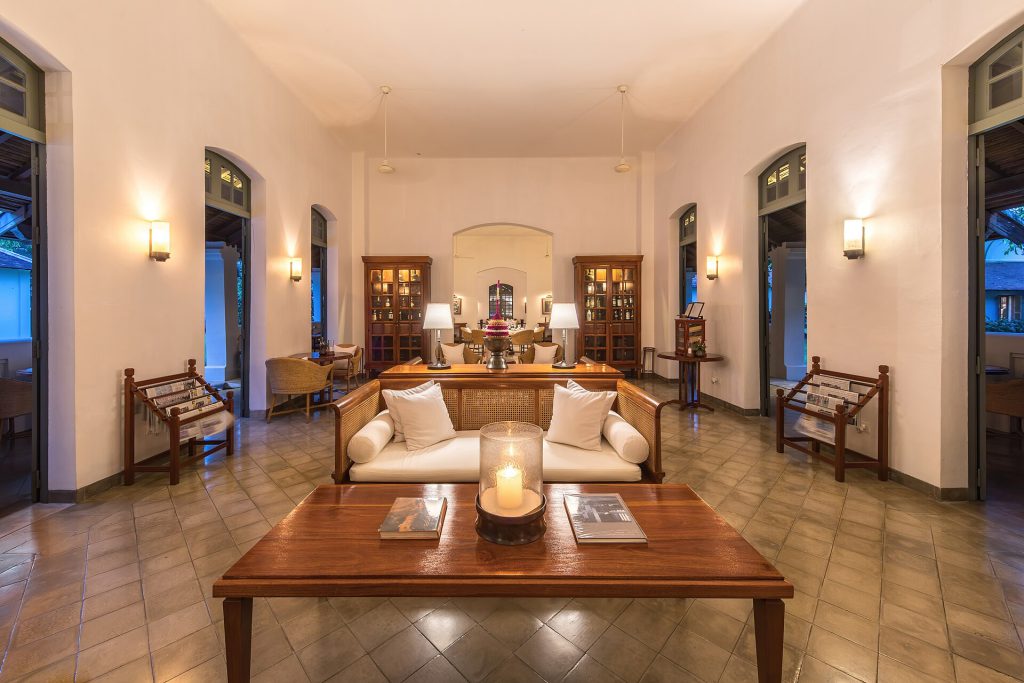
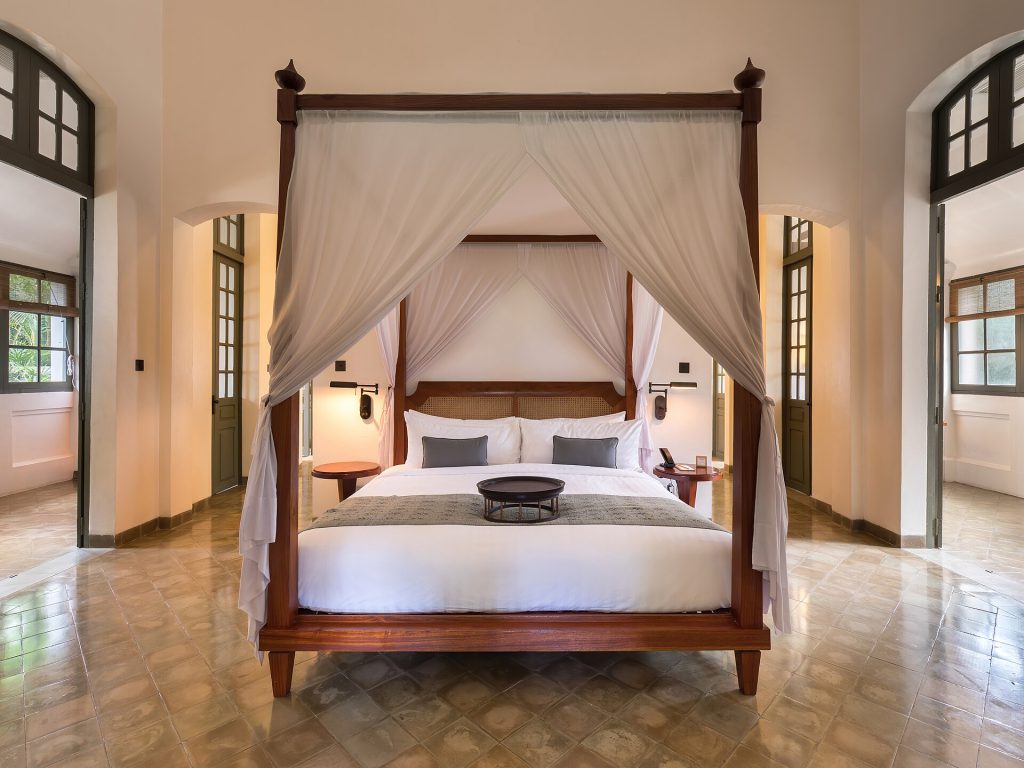
“We’re in the business of hospitality, not running photo studios,” Fedou said. “People travel from all over the world to experience the atmosphere, sense of space and feeling that make a hotel unique. It’s our responsibility to protect that.”
Scenic spots clamp down on filming
The trend extends beyond luxury hotels to popular tourist destinations and rural locations. The Hollies, a farm shop in Cheshire, England, banned photography and filming between 10am and 4pm after becoming a popular stop for content creators. The surge in visitors followed posts by Love Island star Molly-Mae Hague, who shared images from the location.
Similar restrictions have appeared globally. A shop on Nantucket, Massachusetts, went viral for displaying a “no influencers” sign. The town of Pomfret in Vermont has banned photography in front of autumn foliage, and a screen has been erected in Fujikawaguchiko, Japan, to stop visitors from taking pictures near a convenience store with Mount Fuji in the background.
Jeremy King, a London restaurateur, previously expressed frustration with the issue in an Evening Standard article, stating he was “fed up with influencers over-running my restaurant.” These actions reflect a broader shift in consumer behavior, where venues prioritize in-person experiences over digital documentation.
Industry perspectives on creator culture
Experts suggest these restrictions mirror a desire for authenticity. Alex Goat, founder of the youth culture agency Livity, compared the rules to clubs asking visitors to cover their phone cameras. She argued that venues want to signal that they are spaces for people who wish to enjoy the moment rather than document it for others.
Nicole Ocran, an influencer and founder of the Creator Union, highlighted a common misconception that most content creators are highly paid. She explained that many creators produce content for free in the hope of attracting brand deals. Ocran believes these new rules could promote a healthier attitude toward social media by reinforcing the idea that not every space is meant for public consumption.
While the backlash is often directed at influencers with large followings, the issue touches on broader cultural dynamics. Sophie Bishop, author of Influencer Creep, noted that influencer culture is often vilified and carries undertones of sexism due to its feminized nature. Despite the controversy, over 5.4 billion people use social media daily, indicating that the tension between digital sharing and physical privacy will likely persist.
Source: The Guardian
