


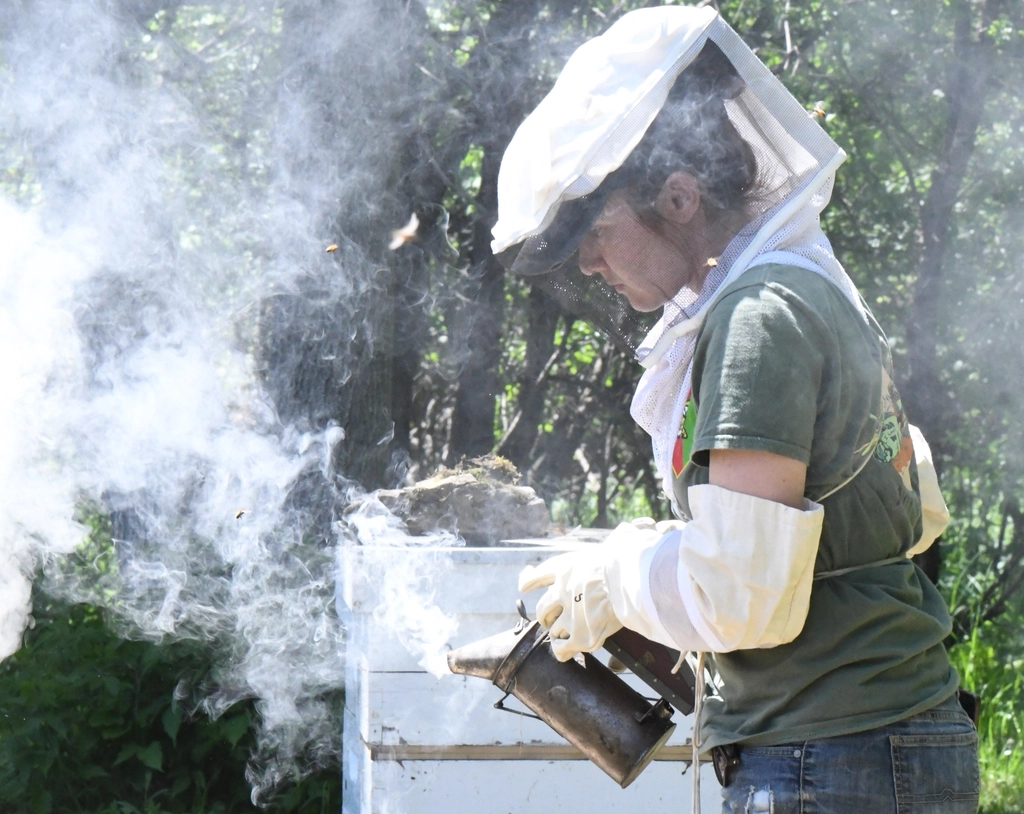
Jeff Lee spent decades working as an investigative journalist, a career defined by high pressure and relentless deadlines. Now 69, he has traded the newsroom for a bee farm in rural British Columbia. His transition began in his late 50s, driven by a desire to escape the “rat-race” lifestyle that had defined his professional life.
Learning to Slow Down
Lee’s interest in apiculture started when his wife, Amanda, participated in a public demonstration at Science World in Vancouver. She stood calmly in a booth while thousands of bees climbed her neck, an event that impressed a stallholder enough to suggest they keep bees themselves. Lee, who already owned a small collection of books on the subject, enrolled in a course with his wife. They started with two hives in their backyard.
The shift from journalism to beekeeping was not immediate. Lee described his previous work at the Vancouver Sun as operating at an “incredibly high tempo.” He would arrive at the office at 8 am on Mondays and work through the week with intense focus. His middle child once remarked that he seemed to have undiagnosed attention deficit hyperactivity disorder. Lee admitted he lived “fairly intensely” and applied that same energy to his new hobby.
Initially, his approach to the hives mirrored his journalistic style. He would rush to open the boxes after work, moving quickly to get the job done. The bees responded by stinging him repeatedly. “I got my ass handed to me,” Lee said. “I learned you have to slow down. Work with the bees. Listen to the bees.” By the end of the weekend, he found himself calmer and his writing improved.
A Career Change Driven by Redundancy
Lee’s path to journalism was accidental. Born to academic parents, he traveled extensively during his childhood. He failed his first year at the University of British Columbia and took a gap year. During this time, he worked at a lumber mill in British Columbia, where an accident left him off work for six months. He then moved to bar work, where he began writing freelance articles for a local newspaper. An editor offered him a full-time position, and he fell in love with the craft.
However, the media landscape changed. When the parent company of the Vancouver Sun was taken over, cuts followed. Lee began to feel he was “marking time,” a phrase he described as a bad way to live. He requested redundancy after about six months of consideration. At 60, he and Amanda moved 300 miles east to buy a farm dedicated to beekeeping.
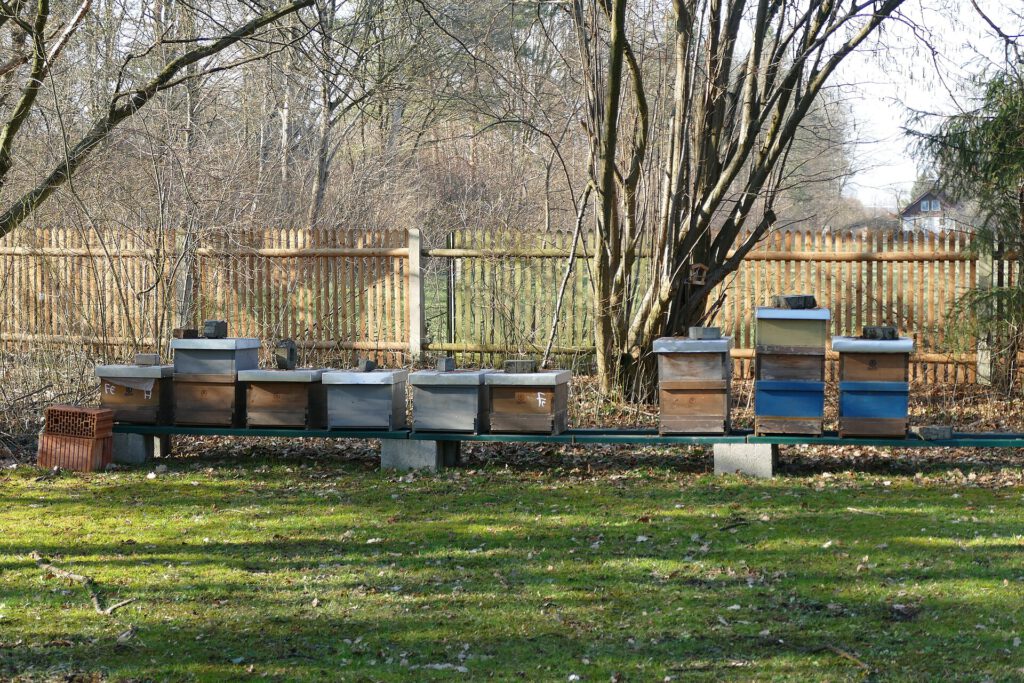
The transition was not without challenges. Lee and Amanda lost nearly all their bees in the first two years. They slowly rebuilt their stock, and today they manage 800 hives. Their efforts have been recognized with awards at two major honey shows in the United States. Lee views this not just as a second career, but as an “attitudinal change in life.” He rejects the concept of retirement, preferring to live a good life by doing what he loves.
Source: The Guardian
