


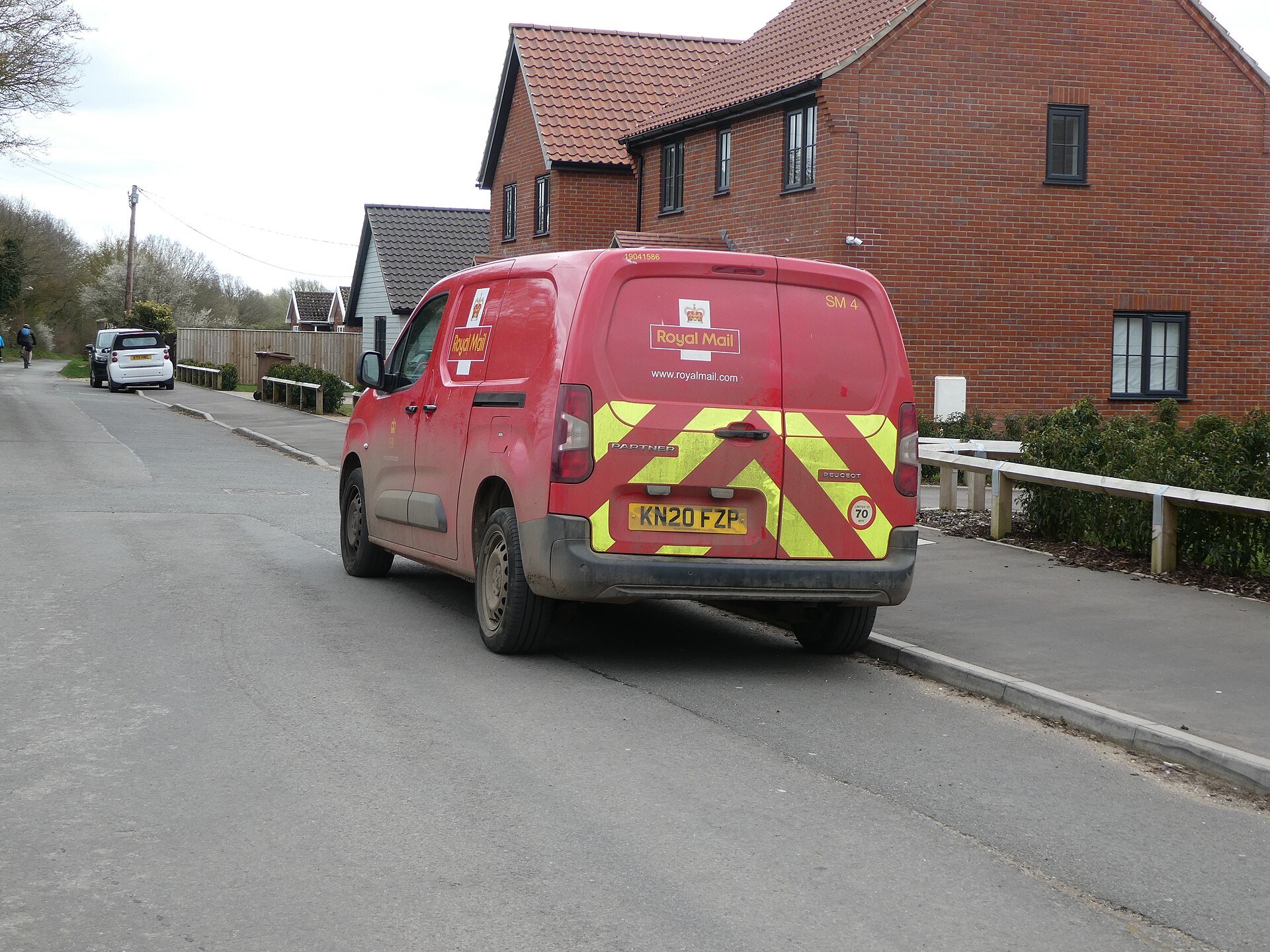
Residents in a village near Bridgwater are reporting severe disruptions to standard postal services, with some households receiving only two letter deliveries over a three-month period. The delays have caused significant anxiety for individuals awaiting critical medical correspondence, including results from NHS cancer screening tests.
One resident, who recently moved to the area, stated that they have received just two bundles of mail since settling in. One of these deliveries occurred only after the resident intercepted a postman on a parcel round and requested a specific drop-off. The bundle contained a bank card, overdue bill notifications, a request to set up water payments, and a letter regarding a routine cancer test. No further letters have arrived since that intervention.
Allegations of Parcel Priority
The local postman reportedly indicated that the Bridgwater sorting office made a decision to stop delivering letters to the village in order to prioritize parcels. This claim aligns with broader allegations being investigated by the communications regulator, Ofcom. Whistleblowers and union representatives have suggested that Royal Mail is systematically deprioritizing letter post in favor of the faster-growing parcel sector.
Royal Mail has consistently denied that it is prioritizing parcels over letters. However, the company has acknowledged that “resourcing pressures” prevented the completion of some delivery rounds in September. The firm stated that during “exceptionally busy periods,” time-sensitive items are given precedence, a policy it says is necessary to manage peak volumes.
Political and Regulatory Scrutiny
The issue has reached the highest levels of government. In August, Ashley Fox, the Member of Parliament for Bridgwater, raised the matter in parliament. He highlighted reports from constituents in his constituency who had experienced severe delays to their post since the start of the year. The parliamentary intervention underscores the growing political pressure on the postal service to address service reliability.
Royal Mail responded to the specific complaints by stating that it has neither suspended nor reduced deliveries to the affected households. The company claimed that additional staff, along with increased training and oversight, have improved the service in the past month. Despite these assertions, the resident reported receiving only one delivery containing two weeks’ worth of letters since the initial intervention.
A Royal Mail spokesperson said, “Our teams are working hard to deliver any outstanding mail as quickly as possible. We know there is more to do and remain focused on restoring a reliable and consistent service for customers.” The company emphasized that it welcomes feedback from consumers but cannot respond to individual cases directly.
The situation highlights the tension between the traditional universal service obligation to deliver letters and the operational demands of a logistics network increasingly driven by e-commerce parcels. For residents like the one in Bridgwater, the distinction between a parcel and a letter is not just logistical but personal, with delays potentially impacting access to essential health information and financial notices.
Source: The Guardian
