


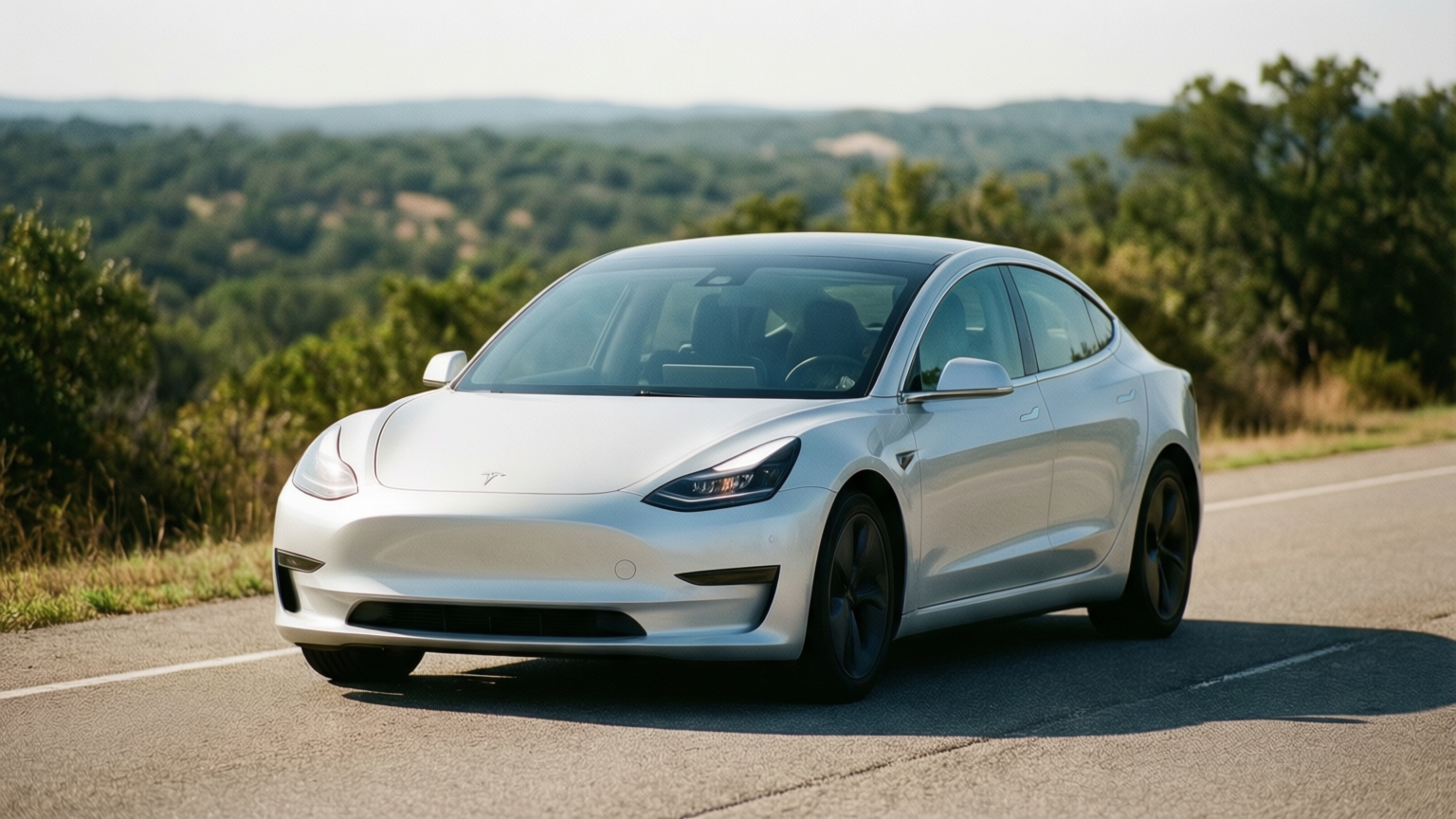
Tesla is adding San Antonio to its list of cities with active robotaxi operations. The company announced on X that the service will begin at 5 a.m. local time on Monday. This move places Tesla in direct competition with Waymo, which already operates autonomous vehicles in the same Texas market.
Limited initial rollout
Tesla did not release specific details about the scope of the San Antonio launch. The company has not confirmed the number of vehicles involved, the exact service boundaries, or whether the fleet will include its two-seater Cybercab or modified Model Y units. It is also unclear if human safety monitors will be present in the vehicles during the initial phase.
Historical patterns suggest a cautious approach. Previous launches in Austin and other cities started with a small number of vehicles in restricted zones. The company typically expands these areas gradually as it gathers data and refines its systems. This strategy allows Tesla to manage risks while testing the reliability of its end-to-end AI technology, which relies on cameras rather than lidar.
Expanding network and rival activity
The San Antonio entry follows a steady expansion of Tesla’s autonomous fleet since its initial launch in Austin in June 2025. The Austin service initially required human safety operators on board. Tesla removed these monitors in January, officially launching a fully driverless service in the city. Over the past 11 months, the company has grown its presence in Austin and entered new markets in Florida and Texas, including Dallas, Fort Worth, and Houston.
Waymo, a subsidiary of Alphabet, is a major competitor in this space. The company operates a fleet of driverless Jaguar I-Pace and Zeekr RT vehicles under the Ojai brand. Waymo services are currently active in Austin, Dallas, Houston, and San Antonio. The company recently resumed operations in San Antonio after a five-month suspension caused by vehicles getting stuck in flooded roadways.
Registration data indicates that Tesla’s fleet size varies significantly by location. While the Austin fleet includes more than 400 autonomous vehicles, other cities have much smaller numbers. Tesla has registered just 24 vehicles in Fort Worth and five in Miami, according to the Robotaxi Tracker website. The San Antonio fleet size remains unconfirmed.
Tesla also operates a ride-hailing service in the San Francisco Bay Area. These vehicles are often described as robotaxis but are driven by humans. The company does not currently hold the necessary permits for driverless ride-hailing in California.
Despite the geographic expansion, recent performance data shows mixed results. Tesla released figures this summer indicating that the robotaxi network drove fewer miles with paying customers in the second quarter compared to the first quarter. The company continues to push for broader adoption of its autonomous technology as it seeks to establish itself beyond traditional automobile manufacturing.
Source: TechCrunch
