


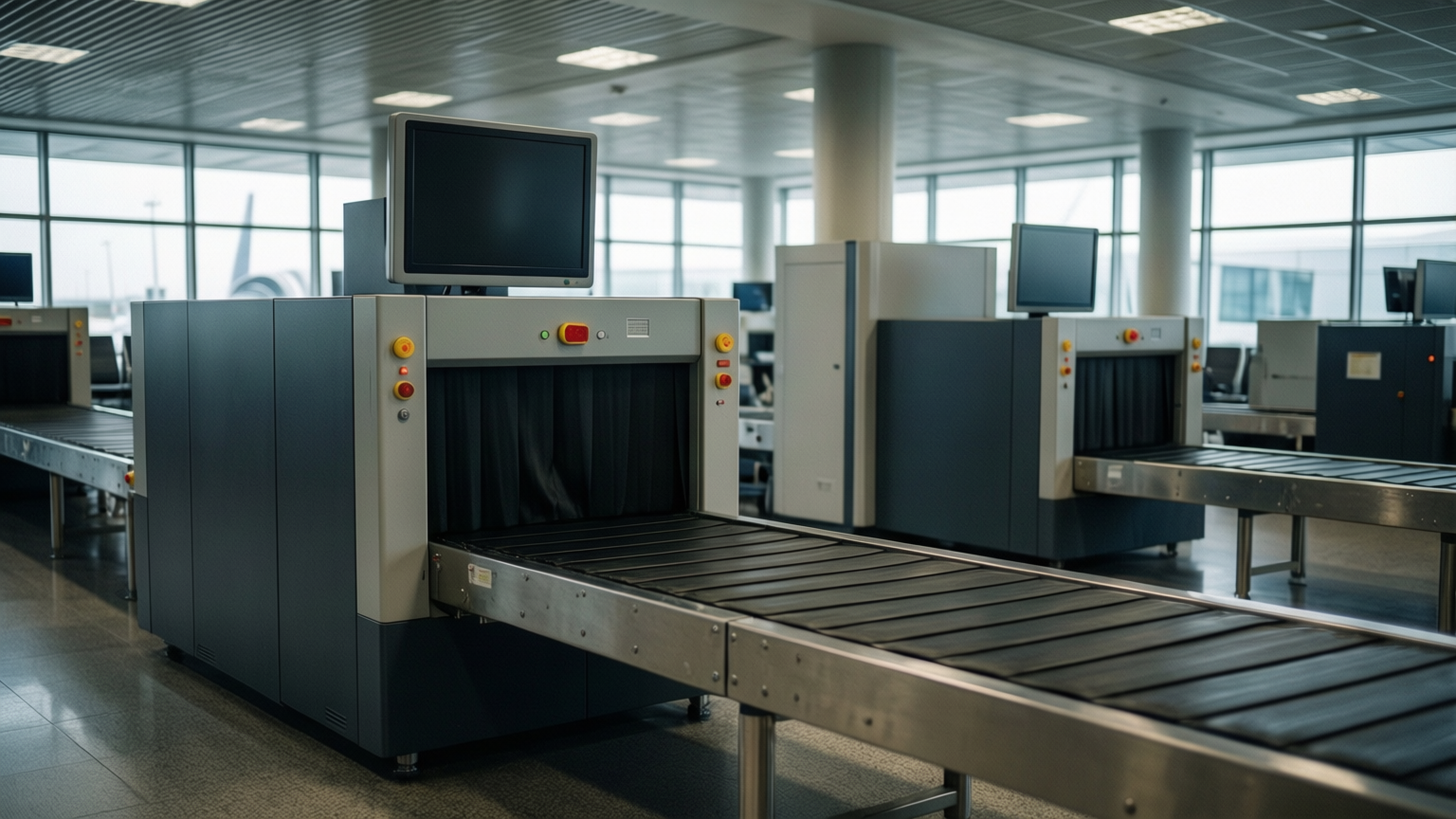
Transportation Security Administration officers at Ontario International Airport (ONT) intercepted two live snakes concealed inside a passenger’s checked luggage earlier this month. The discovery occurred during a standard baggage inspection when Officer Benjamin Andrade-Carillo identified irregularities in an X-ray image that initially resembled a bundle of ropes.
Upon closer physical inspection, Andrade-Carillo found a pillowcase containing the reptiles. The bag was moving, prompting the officer to alert his supervisor. Supervisory TSA Officer Suggey Flores and TSA Manager Francisco “Frank” Calderon were notified to assess the situation. One of the animals was identified as a rattlesnake, introducing a potential safety hazard to the screening area.
Security Protocol and Passenger Resolution
The presence of a venomous reptile required immediate coordination between TSA personnel and Ontario International Airport police. Screening operations in the immediate vicinity were temporarily suspended to ensure the safety of staff and other travelers. Officers avoided direct handling of the animals until law enforcement could secure the scene.
Police escorted the suitcase to the airline ticketing area. The passenger was summoned and allowed to remove the snakes from the luggage. The traveler handed the animals to a family member who was waiting at the airport but not boarding the flight. The passenger stated that the snakes were pets and claimed to have traveled with them previously on a different airline.
After the reptiles were removed, TSA officers rescreened the empty suitcase. The bag was cleared for travel, and the passenger was permitted to continue their journey. No injuries or bites were reported during the incident.
Regulations on Transporting Reptiles
The incident underscores the complexity of transporting live animals through airport security. Unlike standard household pets, reptiles face specific restrictions that vary by airline, species, and destination. The TSA advises travelers to contact their carriers well in advance to understand containment requirements and prohibited species.
Andrade-Carillo, who has served with the TSA for two years, noted that this was the first time he had encountered live snakes in checked baggage. He recalled a previous incident in San Diego involving live lobsters in carry-on luggage, but described the Ontario discovery as a unique challenge due to the venomous nature of one of the snakes.
While snakes in checked luggage are rare, loose reptiles in aircraft cabins have caused disruptions in the past. A moving animal can distract crew and passengers, creating safety risks that are difficult to manage in a confined space. The Ontario case was resolved without significant operational delays or missed flights.
TSA officials emphasize that prior travel history with an animal on another carrier does not guarantee acceptance on subsequent flights. Each airline maintains its own policies regarding live animal transport, and compliance is the responsibility of the traveler. Officers at ONT successfully managed the threat by following established protocols for hazardous items, ensuring the safety of the terminal while allowing the passenger to proceed without the animals.
Source: Simple Flying
