UK blood services have issued an urgent appeal for 150,000 donations to help the National Health Service cope with the surge in demand that typically occurs during the winter months. Officials warn that supplies of certain blood types are currently at half the level considered necessary to keep hospitals stocked.
Critical shortages in specific blood types
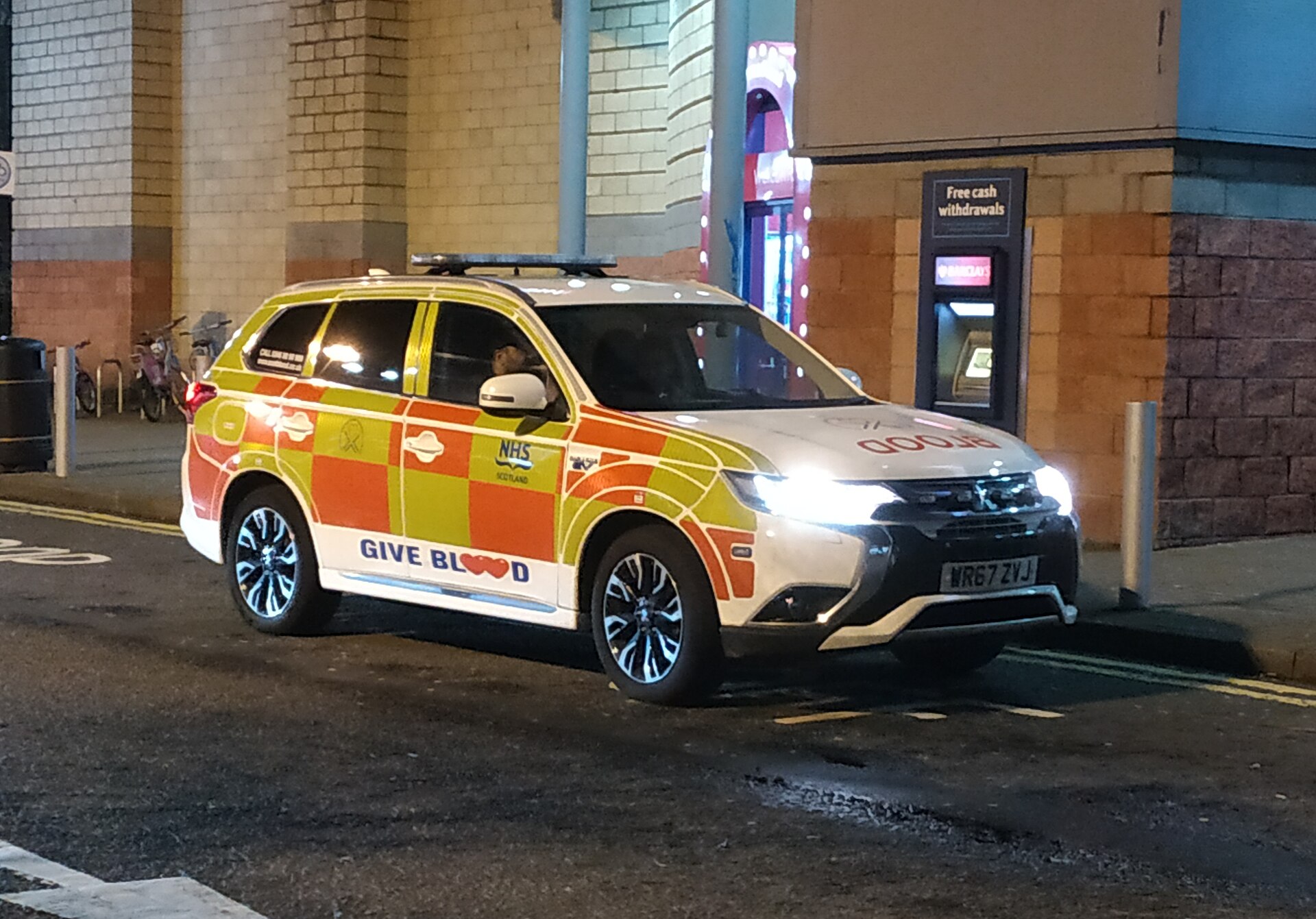
The shortage is particularly acute for O negative, B negative, O positive, and RO blood. Health officials have specifically asked people of black heritage to donate, as these blood types are vital for treating patients with sickle cell disease. The Scottish National Blood Transfusion Service recently announced its first amber alert for O blood types, citing unprecedentedly low levels due to a combination of donor shortages and increased usage.
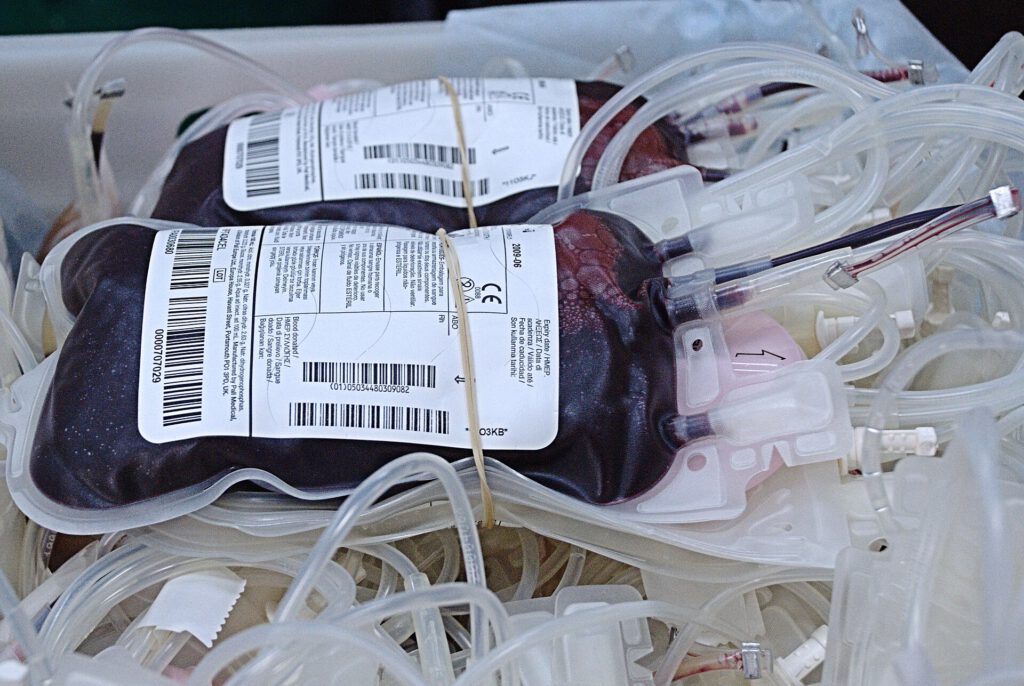
Each donation takes approximately one hour and can help save up to three lives. However, the urgency is driven by the short shelf life of blood products. Whole blood lasts only 35 days, while platelets expire in just seven days. This means that consistent daily donations are required to maintain a steady supply for patients who rely on regular transfusions.
Winter challenges impact supply and demand
The winter season presents a dual challenge for blood supply agencies. On one hand, the prevalence of colds, coughs, and respiratory illnesses like the flu means fewer healthy people are available to donate. On the other hand, patients with long-term conditions such as cancer and sickle cell disease often require more frequent blood or platelet transfusions to safeguard their health during the colder months.
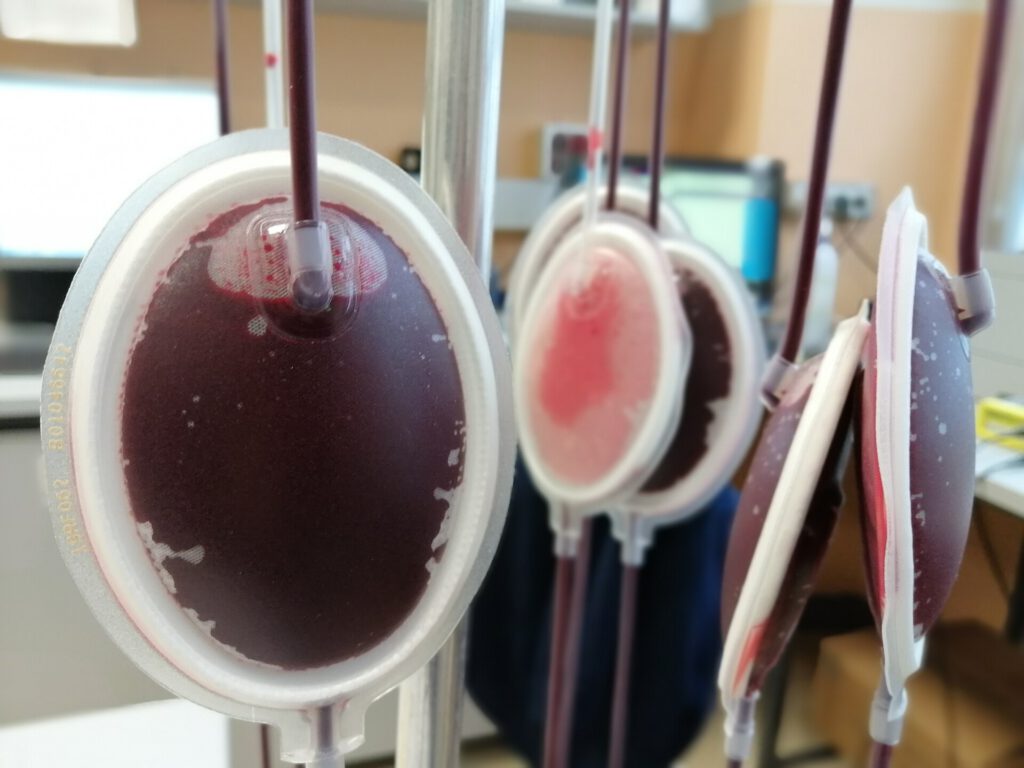
Health chiefs are also ramping up efforts to increase supplies of blood plasma. This component is essential for manufacturing medicines used to treat serious immune conditions, which can become more difficult to manage in winter. Gerry Gogarty, the director of blood and plasma supply at NHS Blood and Transplant, emphasized the critical nature of the current situation.
Right now, as we move into winter, there is an urgent need to boost our life-saving blood, platelet and plasma supplies. With patients reliant on regular transfusions, particularly vulnerable to colds and respiratory illnesses, it is vital that we stay well stocked to ensure the blood is always there when it is needed.
To meet the demand, the health service needs 5,000 donors every day from now until the new year. This includes both existing donors and new volunteers. Bigger donation centres in town and city centres are offering the most appointments, particularly for first-time donors and those with common blood types. Officials advise those who cannot find an immediate slot to keep checking for last-minute cancellations or newly available times.