


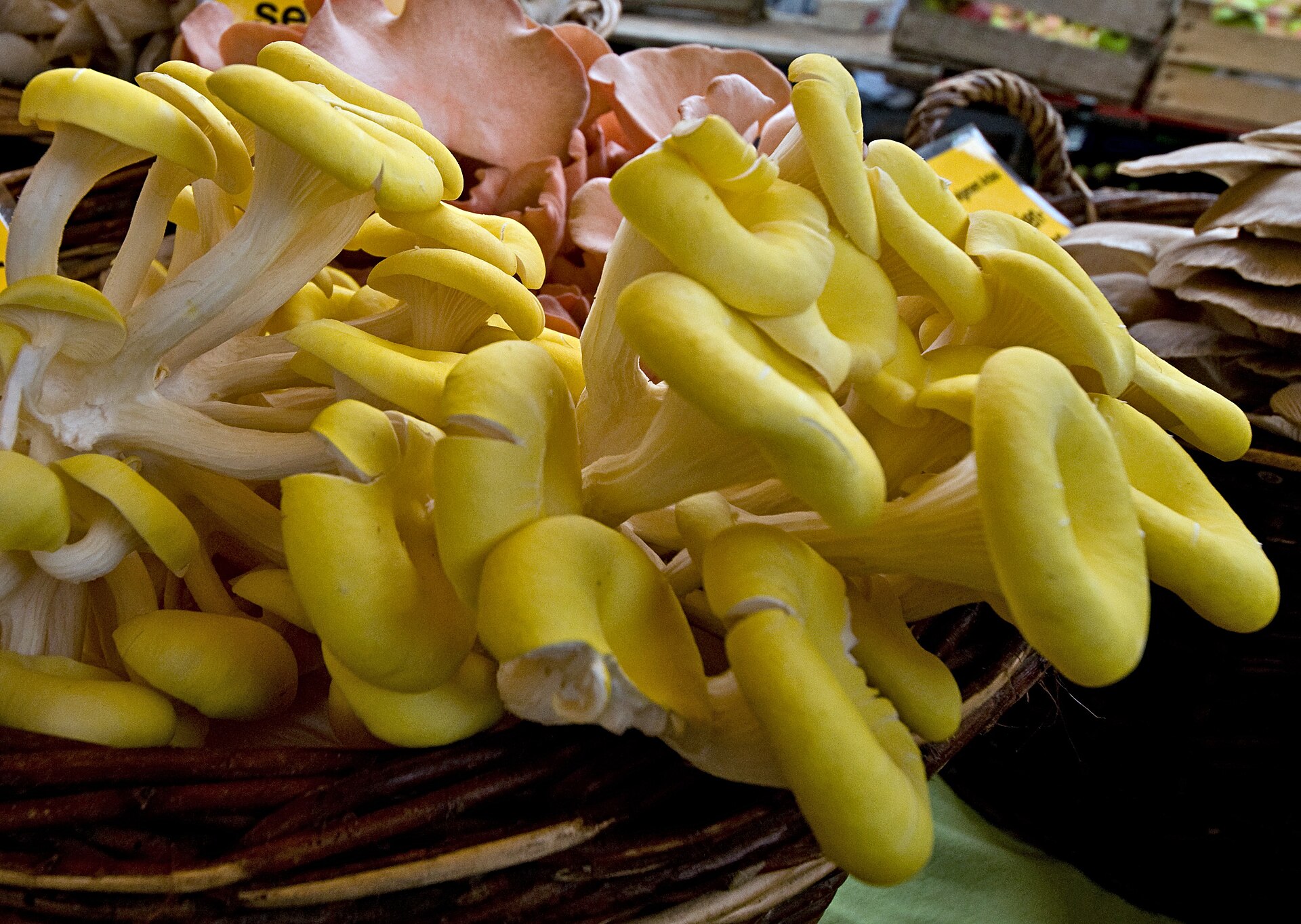
Experts in the United Kingdom are urging the public to stop purchasing mushroom grow kits after the golden oyster mushroom was officially classified as a high-risk invasive species. An international group of mycologists, including representatives from the Royal Horticultural Society (RHS), issued the warning to prevent further damage to native woodlands.
The golden oyster mushroom, a popular edible variety often sold as a festive gift, has been found establishing itself in wild UK forests. Scientists believe the most likely pathway for its introduction was the escape or release of spores from home grow kits. The species, native to East Asia, produces wind-dispersed spores capable of traveling thousands of miles, making containment nearly impossible once released.
Ecological Impact on Woodlands
The classification comes after evidence showed the mushroom was spreading rapidly in at least two UK forests. Its invasive nature has been well documented on other continents. In the United States, where the species arrived in 2012, it has spread across 25 states, covering approximately 772,200 square miles. Research indicates that the golden oyster can halve the population of beneficial wood-inhabiting native fungi by outcompeting them for resources.
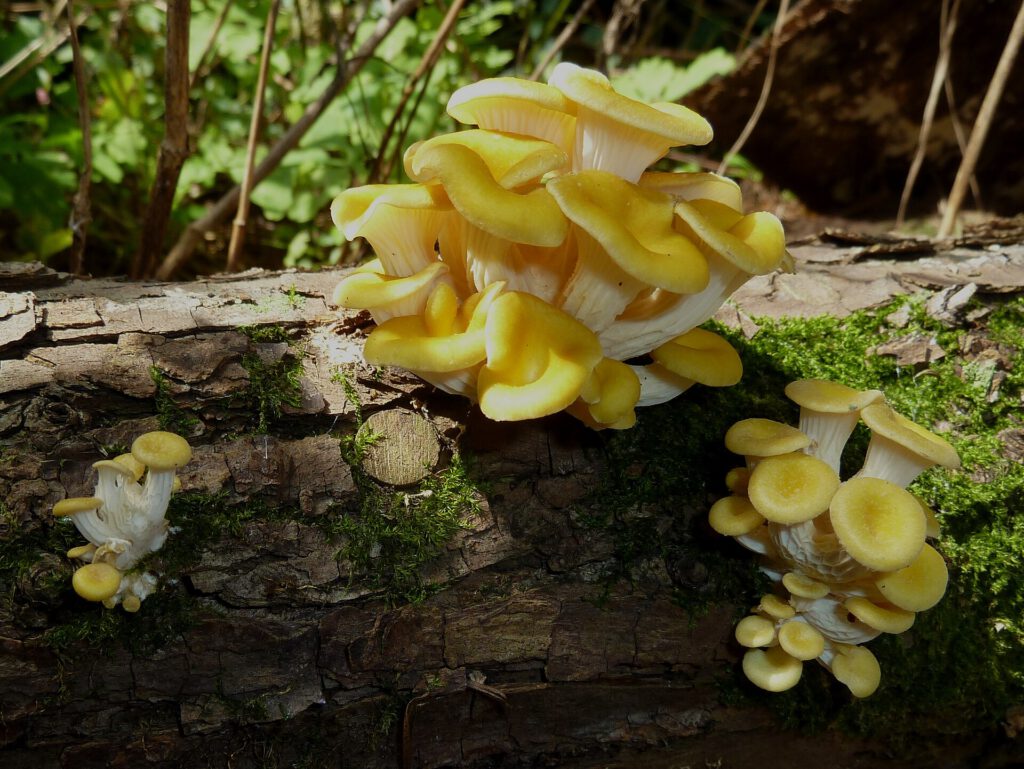
Aishwarya Veerabahu, a mycologist at the University of Wisconsin-Madison, highlighted the rapid colonization seen in North America. She noted that mushroom kits helped the species spread across the US and Canada in less than a decade. Veerabahu emphasized that fungi form the foundation of forest ecosystems and that invasive species disrupt complex local biodiversity relationships.
While the golden oyster has not yet spread extensively in the UK, experts argue that immediate action is required. Veerabahu stated that there is still a chance to prevent the species from becoming fully invasive if the public stops buying the kits. She urged consumers to hold off on purchases to protect the UK’s fungal biodiversity and favorite native edibles.
RHS Changes Policy on Sales
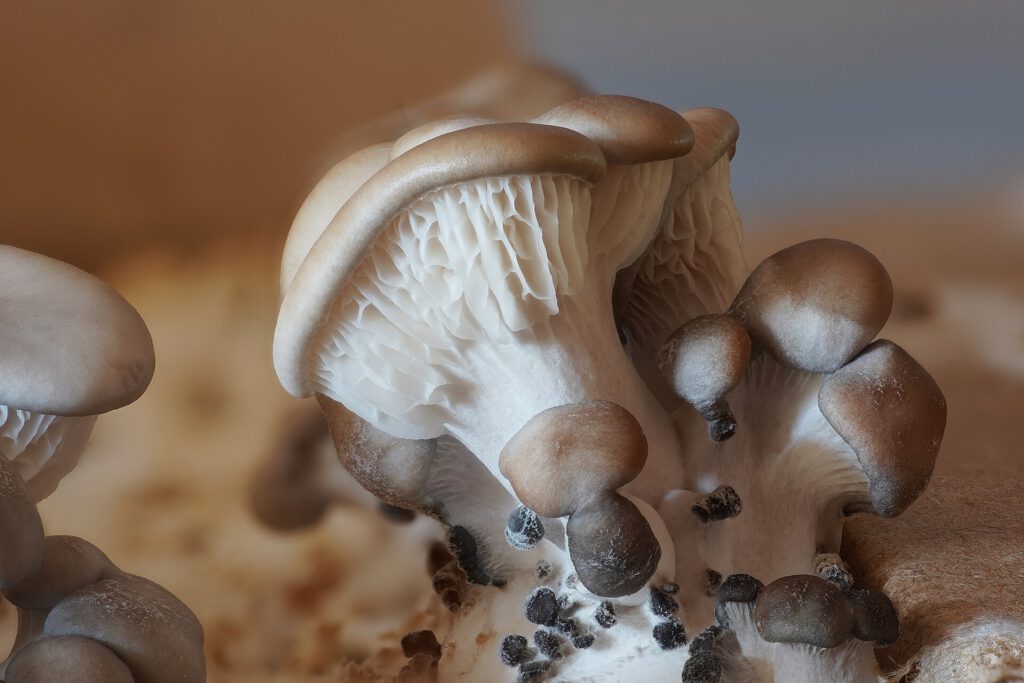
In response to the growing biosecurity risks, the Royal Horticultural Society has altered its approach to the species. The RHS no longer exhibits the golden oyster at its events and has removed it from its retail shops. Instead, the organization now promotes native species that can be grown at home, such as shiitake mushrooms.
Dr. Jassy Drakulic, a senior plant pathologist at the RHS, acknowledged the public’s growing interest in fungi but stressed the need for better management strategies. She pointed out that fungi are difficult to track in the wild because they remain unseen until they fruit. This lack of visibility creates a significant gap in how invasive fungi are monitored and controlled.
Drakulic called for stronger policies to prevent the introduction of species that could permanently alter native ecosystems. She argued that developing a dedicated strategy for invasive fungi is essential to safeguard biodiversity for the future. The situation mirrors past ecological crises in Britain, such as the introduction of grey squirrels, which carried squirrelpox and caused the extinction of native red squirrels in many areas.
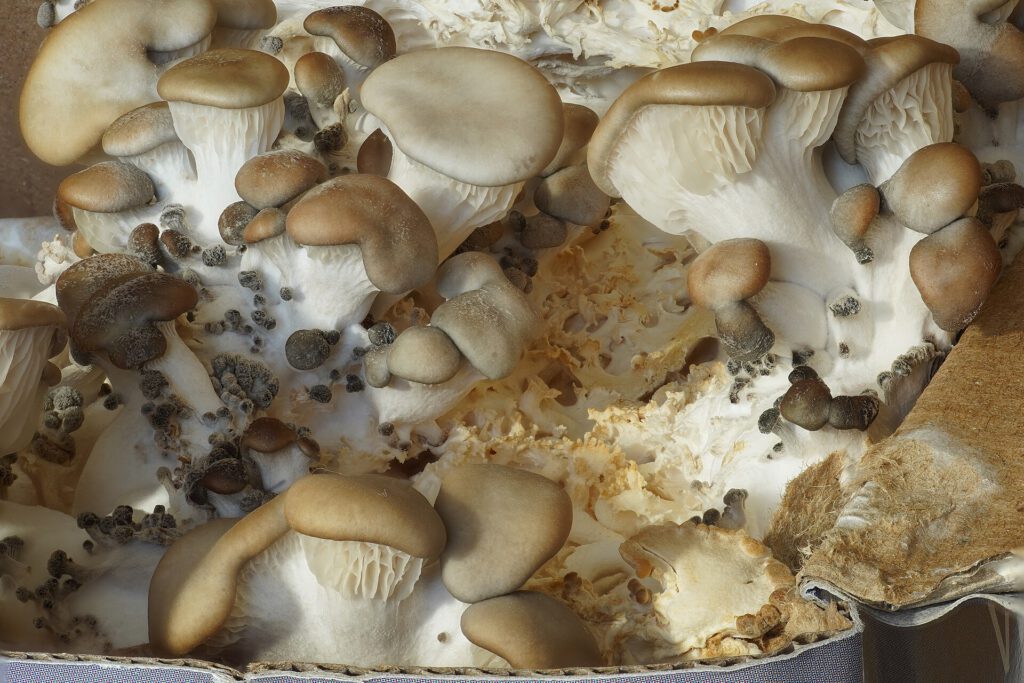
Despite the warnings, the golden oyster mushroom remains legal to sell commercially. Grow kits are still widely available through online retailers and large stores. The RHS advice serves as a voluntary guideline for consumers, aiming to reduce the risk of further accidental releases into the wild.
Source: The Guardian
