


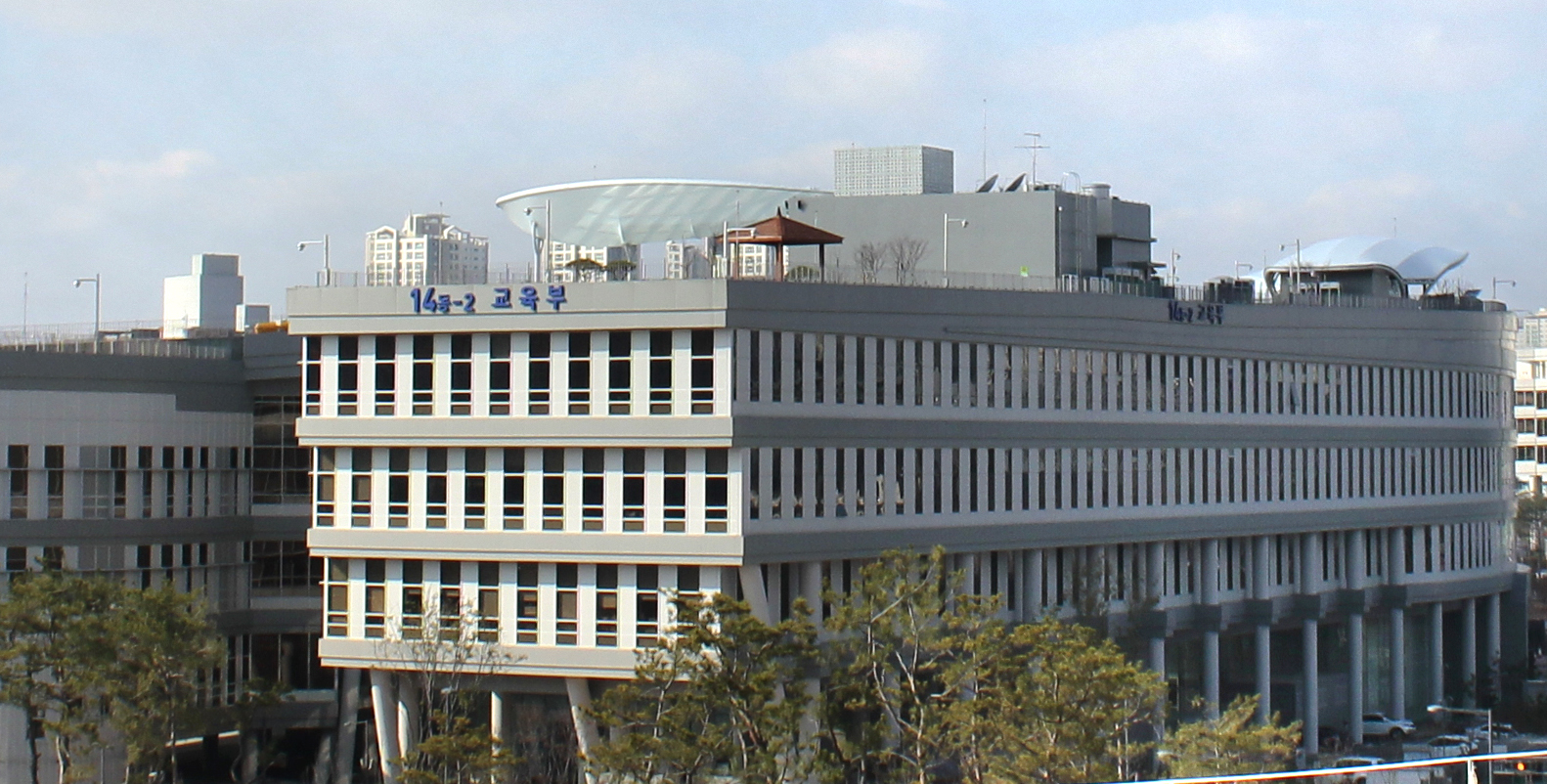
South Korea’s education minister, Choi Kyo-jin, resigned on Sunday following a widespread scandal involving artificial intelligence-assisted cheating during the country’s most critical university entrance exams. The resignation comes after a series of security breaches and public criticism over the government’s handling of the suneung, an eight-hour test that determines students’ academic and professional futures.
Choi stated that he took full responsibility for the incident, acknowledging that the ministry failed to prepare adequately for the technological threats facing the exam. His departure was accepted by President Lee Jae Myung, marking a significant political consequence for the security failures that unfolded in the days leading up to the test.
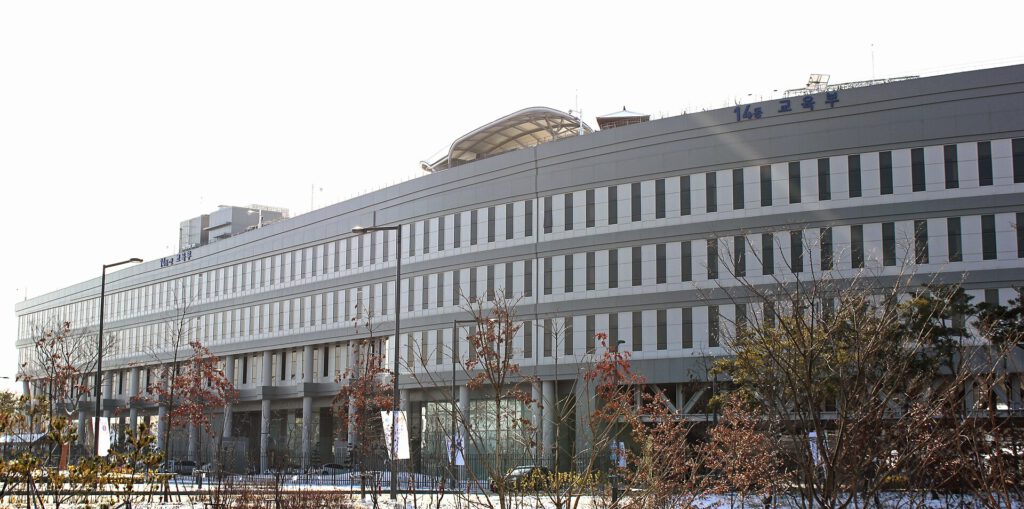
Choi Kyo-jin Resignation and Public Backlash
The crisis began last Sunday when the top scorer in a national tax accountant exam confessed to using a miniature camera and a smartphone to achieve a near-perfect score. This revelation occurred just four days before the suneung, triggering immediate panic among officials and the public. The confession exposed vulnerabilities in the exam’s security protocols and raised fears that AI tools could be used to cheat on a much larger scale.
Choi, 72, faced intense scrutiny for his handling of the situation. During a parliamentary hearing on Monday, he admitted that he was not confident in his ability to catch would-be cheaters due to his age. This comment drew immediate public backlash and was seen as a sign of the administration’s disconnect from the technological realities of modern exam cheating. Furthermore, Choi did not appear at press conferences in the days before the exam, with a vice minister taking over the announcement of preventive measures.
In a statement posted on X, Choi wrote that while the exam concluded without major incidents, he believed he was not immune to public criticism for the inadequate preparation. “Now that the exam is over, I take full responsibility and hereby offer my resignation,” he added.
Strict Measures and Detected Misconduct
In response to the tax accountant cheating scandal, the government implemented a series of emergency measures for the suneung. These included blocking public Wi-Fi in testing areas, requiring candidates to turn off and hand in smart devices, and checking bags left in corridors for active electronics. Officials also inspected candidates’ glasses, watches, collars, sleeves, and buttons for concealed cameras.
The government went to extraordinary lengths to ensure the integrity of the exam. Aircraft take-offs and landings were rescheduled during the English listening paper to minimize noise, and artillery fire and tank movements were suspended. The stock market opened an hour late, and traffic was stopped 200 meters from every testing center. Additionally, emergency alerts were sent to every phone in the country, sounding at full volume and unable to be silenced, to catch anyone who had not handed in their device.
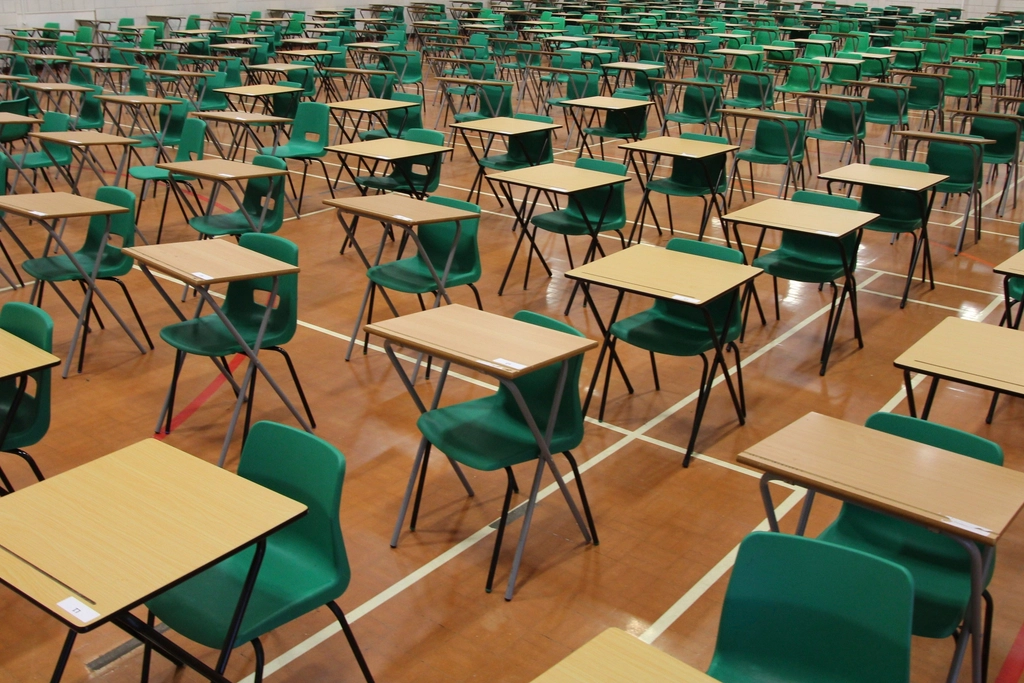
Despite these extensive precautions, officials reported 111 cases of misconduct involving electronic devices during the exam. Nearly half of these cases were detected through the emergency alerts. The incident has highlighted the ongoing challenge of maintaining exam integrity in an era of rapidly advancing technology.
Source: The Guardian
