


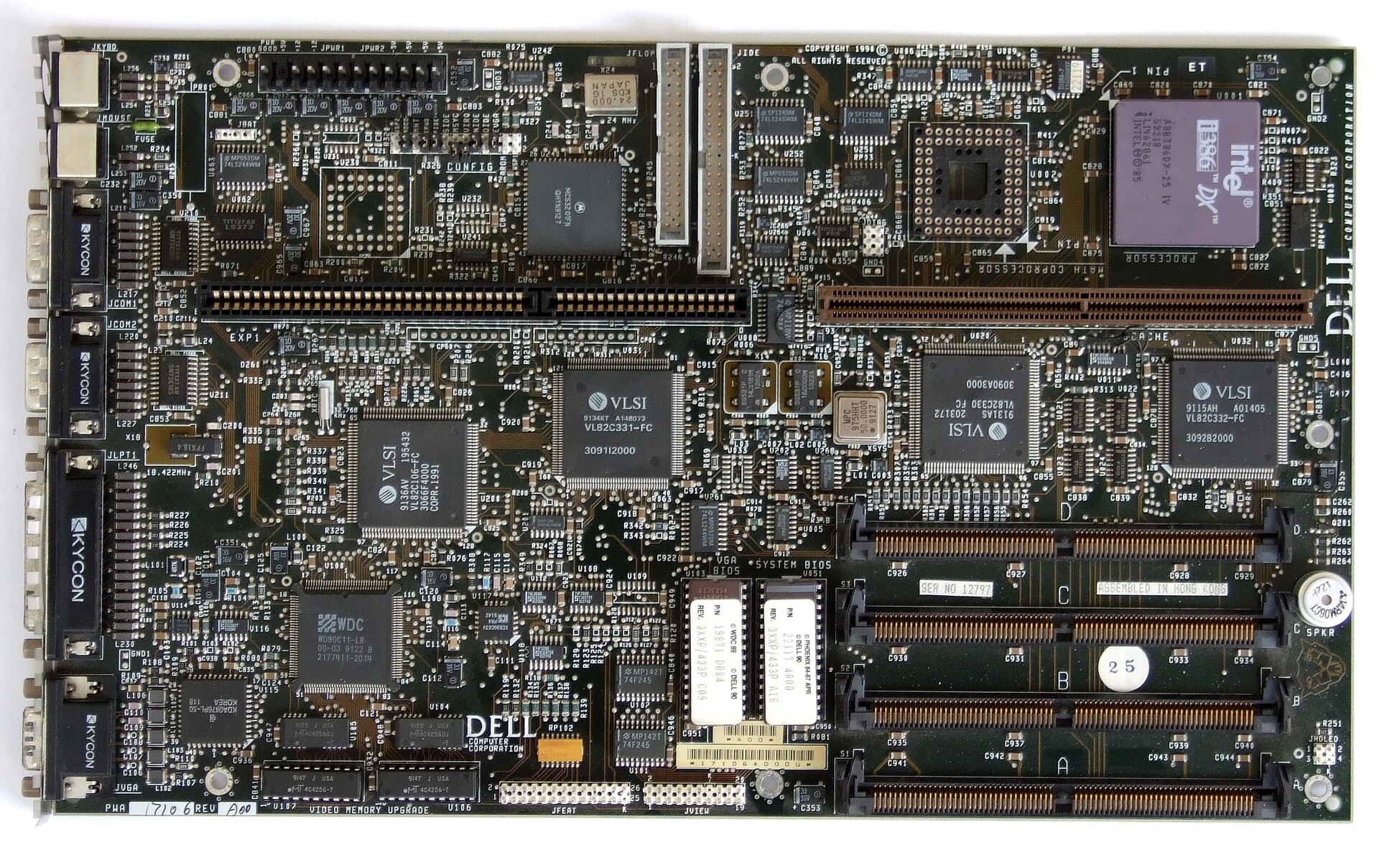
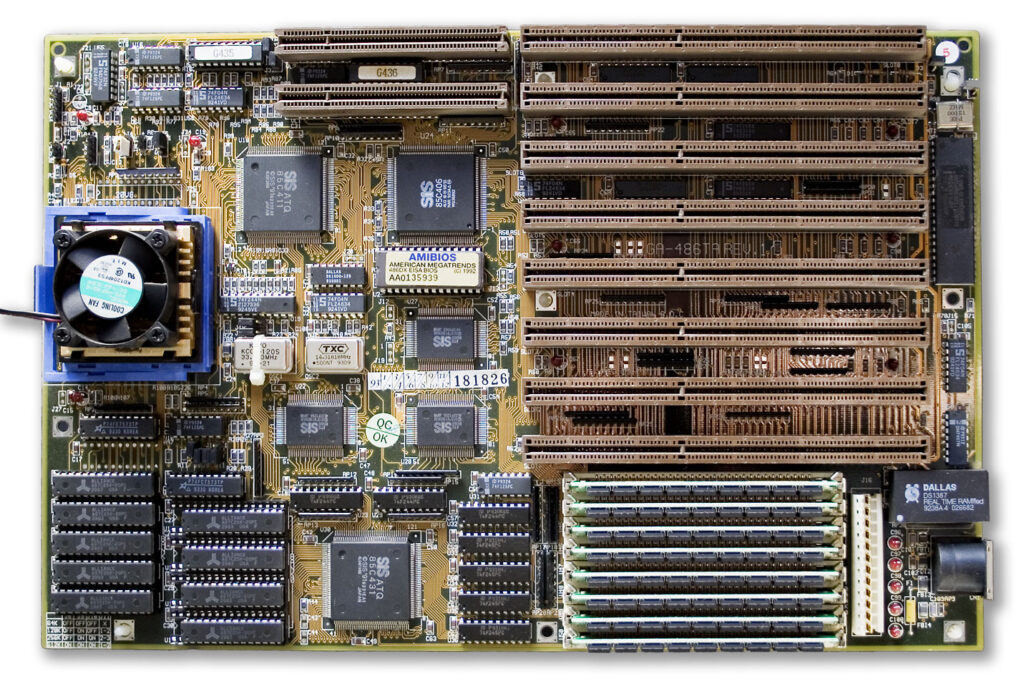
A developer known as WollyMonjac has successfully ported a question-answering transformer to the DOS operating system, creating a software package that runs on vintage 486DX and Pentium personal computers. The project, named Tiny 2.1, fits entirely onto a single floppy disk and requires only 540KB of conventional memory to operate.
The software is not a large language model in the modern sense. According to the GitHub repository, the project is described as “a tiny question-answering transformer written in Turbo C 2.0.” While it shares the transformer architecture used by contemporary AI systems, its scale is limited by the hardware constraints of the mid-1990s.
Tiny 2.1 AI Memory and Interface
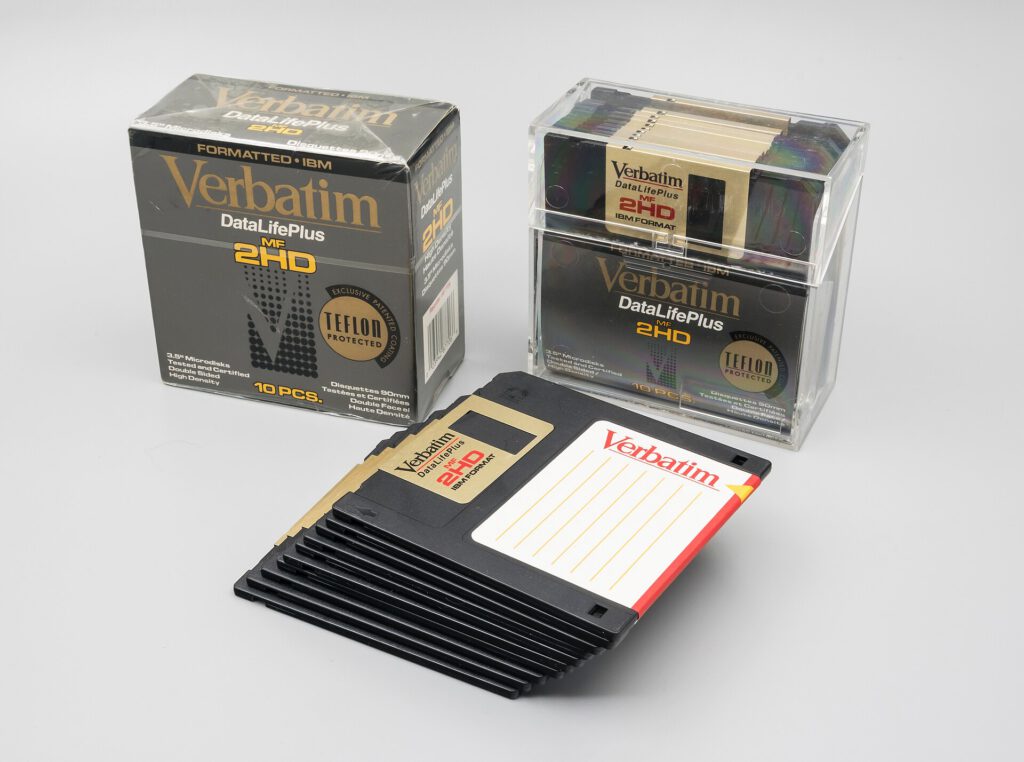
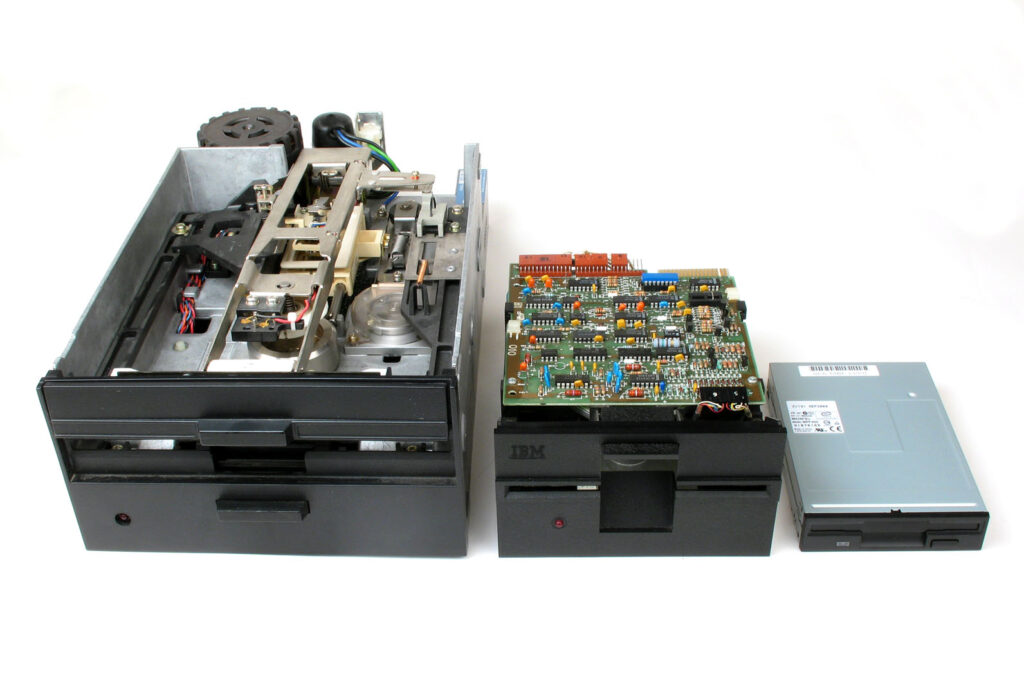
A standard formatted floppy disk from the 486 era holds approximately 1,475,000 bytes of data. Tiny 2.1 utilizes this limited space to deliver a functional interface. The program includes a conversation history pane, a neural monitor panel, and a dedicated prompt window labeled “Ask Tiny.” Standard F-key shortcuts are displayed within the user interface to facilitate navigation.
One distinctive feature of the application is its audio output. The system uses the PC speaker to generate a robotic voice that reads the model’s responses aloud. This approach mimics the audio capabilities of early speech synthesis software while avoiding the need for modern sound cards.
Training and Limitations
The repository notes that the code was “Written by Fable 5.2 and trained by Opus 5.5.” The developer, WollyMonjac, has openly acknowledged the limitations of the model. Outside of its specific training data, the system “makes things up confidently.” This behavior, often referred to as hallucination in modern AI contexts, is presented here as a characteristic of the model’s design rather than a flaw to be corrected.
For users interested in expanding the model’s capabilities, the distribution includes a training folder under the MIT license. This allows dedicated users to build custom question-answer transformers tailored to specific topics. The open-source nature of the project permits modification and retraining on compatible vintage hardware.
Modern Software on Vintage Hardware
This project joins a growing trend of running modern computational concepts on legacy systems. Other examples include a ChatGPT client for DOS, Minecraft running on a Game Boy, and generative AI image creation on the Commodore 64. These projects demonstrate the flexibility of older architectures when adapted for specific, constrained tasks.
While it is common to run old software on new hardware, the reverse process requires significant optimization. Tiny 2.1 demonstrates that complex algorithms can be distilled to fit within the strict memory and processing limits of 486DX and Pentium systems.
The Tiny 2.1 AI project is available for download from the developer’s GitHub repository.
Source: Tom’s Hardware
