



Nvidia has instructed manufacturing partners to pause server shipments to Malaysia, Singapore, Thailand, and Indonesia. The halt affects partners including Dell and Super Micro Computer, who were told to stop deliveries for an unspecified period. This decision comes as the chipmaker assesses whether its regional distributors are meeting new U.S. export requirements.
The move targets a specific loophole that allowed Chinese companies to access Nvidia chips remotely from data centers located in Southeast Asian nations. The U.S. Commerce Department closed this gap earlier this month, reportedly with some reluctance, to prevent circumvention of sanctions.

Impact on Manufacturing Partners
Dell and Super Micro were among the partners notified of the shipment pause. These companies manufacture and distribute the servers that house Nvidia processors. The instruction to halt deliveries means these partners must now ensure their regional operations align with the updated compliance standards before resuming business.
The pause is not a permanent ban but a temporary hold while Nvidia verifies that its supply chain partners are adhering to the new restrictions. This internal check is part of a broader effort to close the remote access channel that had been exploited.

Closing the Remote Access Loophole
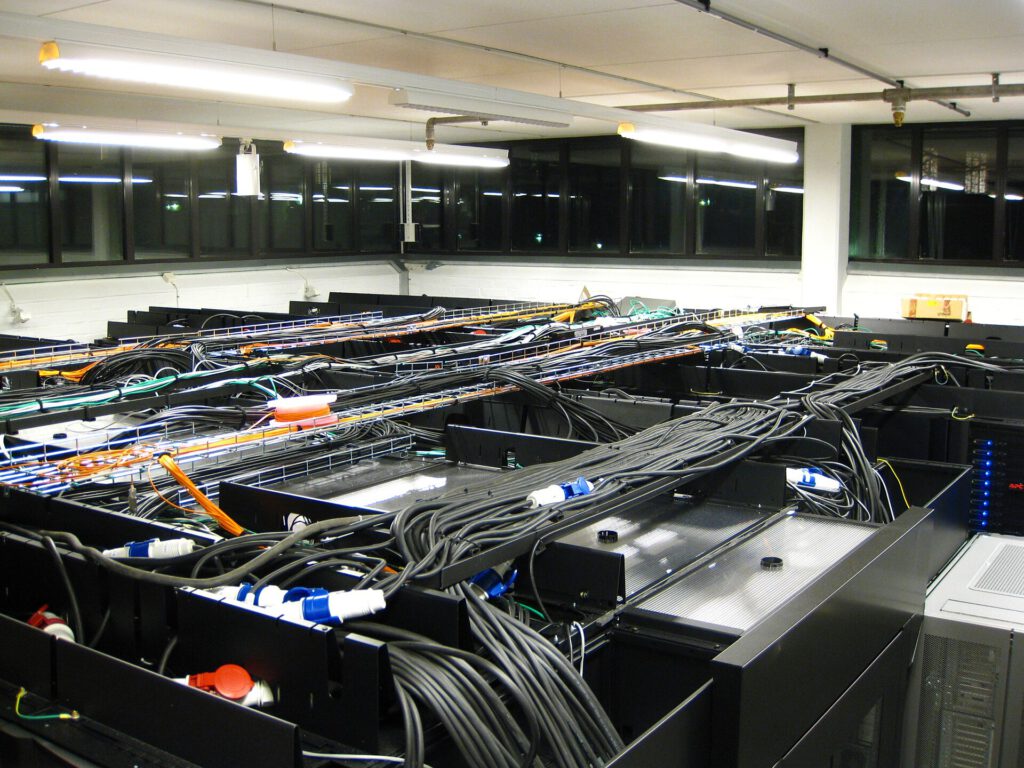
Chinese firms had been using data centers in Southeast Asia to run Nvidia chips remotely, effectively bypassing direct export bans. According to the Institute for Progress, a think tank, these remote data centers supplied approximately 24% of China’s AI computing power. This significant share highlighted the scale of the issue and the urgency of closing the loophole.
The U.S. Commerce Department’s decision to shut down this access point was a key factor in Nvidia’s current actions. By requiring partners to pause shipments, Nvidia aims to ensure that no further hardware is deployed in a manner that could facilitate unauthorized remote access.
The situation underscores the increasing complexity of global chip supply chains and the strict enforcement of export controls. Nvidia’s partners must now navigate these new rules carefully to avoid further disruptions.
Source: TechCrunch
