


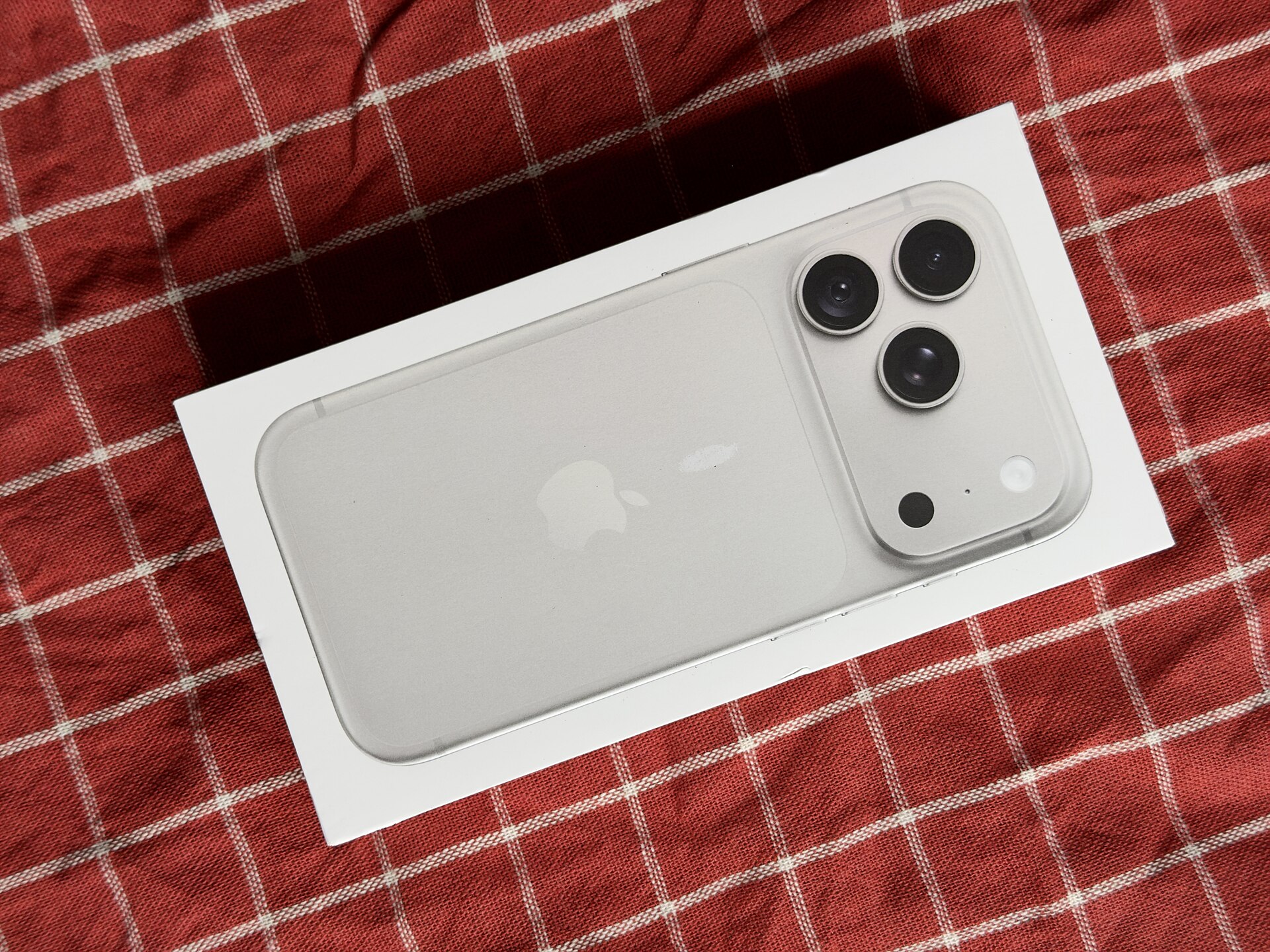
Apple secured a dominant position in the United States smartphone market during the third quarter of 2026, capturing 57% of all shipments. This represents a significant jump from the 50% share the company held during the same period last year, according to a new report from Counterpoint Research.
The data reveals a stark divergence in the US market. While total smartphone shipments across the country declined by 9% year over year, Apple was the only major manufacturer to avoid a drop in shipment volume. This performance highlights the company’s ability to maintain consumer demand even as broader economic pressures and component costs rise.
Apple’s Pricing Strategy and Market Resilience
Counterpoint Research noted that Apple managed to navigate recent supply chain challenges and rising component costs more effectively than many of its competitors. While several rival manufacturers were forced to raise prices multiple times throughout the year, Apple kept iPhone pricing largely stable for most of the period.
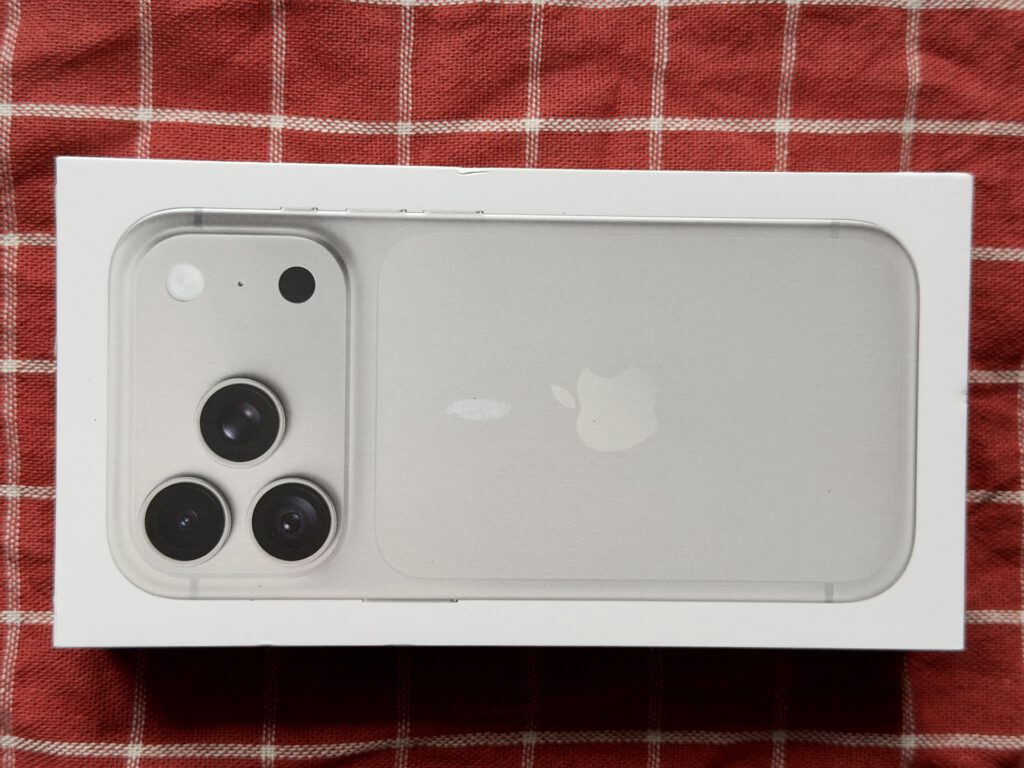
The company held off on broader price increases until the September launch of the iPhone 18 Pro lineup. This strategy appears to have preserved its customer base and attracted buyers who might otherwise have delayed upgrades due to cost concerns.
The trend of Apple outperforming rivals is not isolated to the United States. A separate Counterpoint report on Latin American shipments published earlier this week showed Apple recording the smallest year-over-year decline among the region’s top five smartphone makers. In that market, Apple’s share grew from 7% to 9%.
Android Rivals Face Cost Pressures
The broader market downturn hit the Android segment particularly hard. Rising memory costs disproportionately affected low-end devices, squeezing margins and limiting shipment growth for manufacturers reliant on budget models.

Samsung emerged as the only major Android maker to increase its shipment share in the US, gaining one percentage point to reach 25%. Counterpoint attributed this growth to a diversified portfolio that spans both high-end flagships and the popular low-end Galaxy A-series. This breadth allowed Samsung to capture some of the volume lost by competitors who lacked a strong presence in the budget tier.
The decline in shipments also impacted US carriers. Sales across the three major carriers collectively fell 4% year over year. Carriers are a critical distribution channel for smartphones in the United States, and their reduced sales volume signals weakening consumer appetite for new devices.
Weak Outlook for Holiday Quarter
Looking ahead, the outlook for the fourth quarter appears cautious. Counterpoint expects memory costs to remain elevated, which could continue to pressure manufacturers and retailers. Additionally, US carriers are expected to be more selective with their holiday promotions, a period that traditionally drives the strongest sales of the year.
Despite the seasonal boost, smartphone sales are projected to remain weak in Q4. The combination of high component costs, cautious carrier strategies, and a saturated market suggests that the strong performance Apple delivered in Q3 may not be easily replicated in the coming months.
Source: 9to5Mac
