


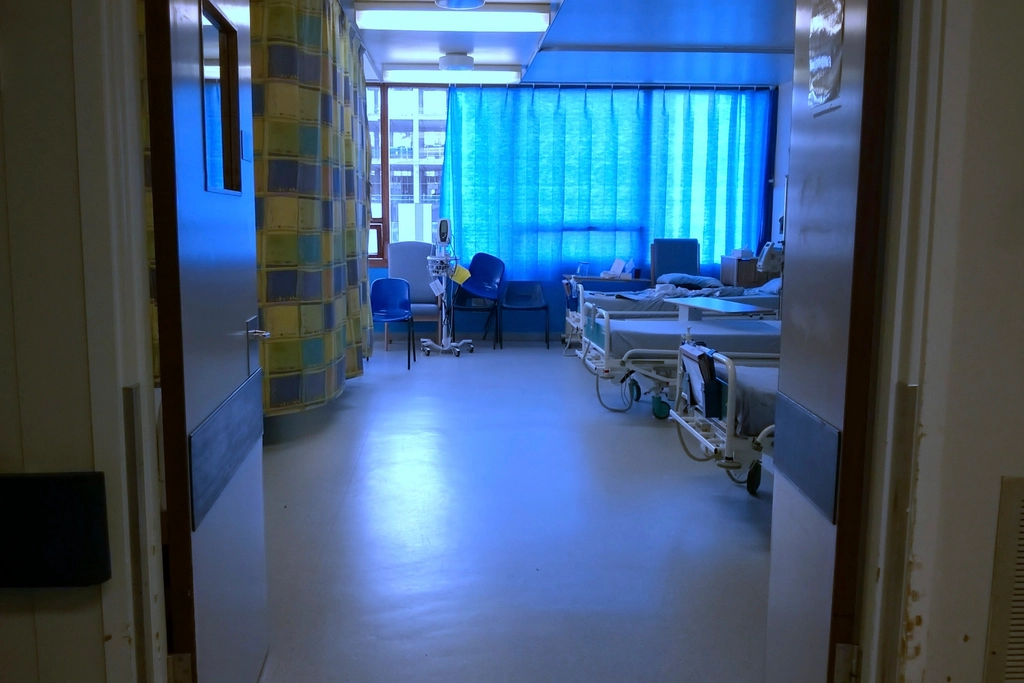
Hospital admissions for influenza in England have surged by nearly 80% over the past week, reaching the highest levels for this time of year since before the pandemic. The sharp increase has prompted health officials to urge those most at risk to seek vaccination immediately as the healthcare system faces mounting pressure.
Sir Jim Mackey, the outgoing chief executive of NHS England, described the current situation as a “horrible spike” in flu cases. Speaking at the NHS Alliance autumn conference, he noted that hospitals are currently holding more patients with flu than they did at the same point last year. He also highlighted that some facilities have reintroduced mask-wearing protocols to help curb the spread of respiratory illnesses, a measure he admitted was a “shock” to see after years of not requiring them.
Low vaccine uptake among vulnerable groups
The UK Health Security Agency (UKHSA) reported that vaccination rates among people aged 65 and over are currently just under 68%. This figure is lower than typical levels for this stage in the flu season. The agency emphasized that the virus poses serious risks to individuals with long-term health conditions, including lung diseases, kidney or liver issues, and diabetes.
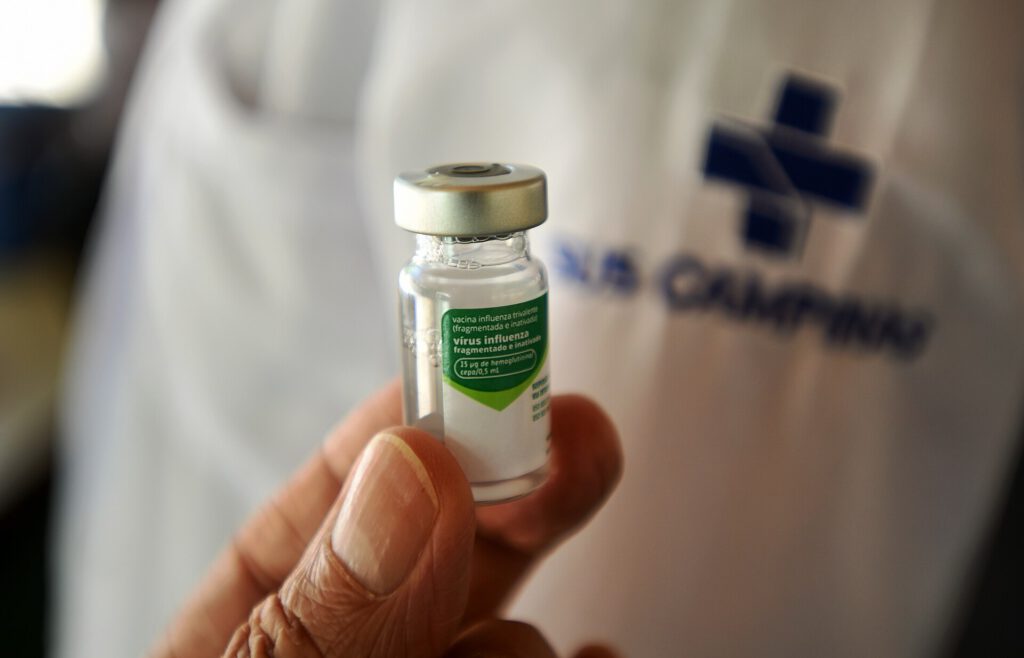
Almost 9.5 million people under the age of 65 who are in clinical risk groups are eligible for the flu jab. However, uptake in this demographic is significantly lower, with only 34% having received a vaccine as of 22 November. This leaves approximately 7 million vulnerable individuals without vital protection against the virus.
Dr. Suzanna McDonald, the flu lead at UKHSA, told the BBC that the current rise in cases is occurring earlier than in previous seasons. She noted that while last year’s season also arrived early, it peaked at moderate levels. It remains unclear whether this year’s outbreak will be more severe or last longer, but she stressed that thousands of people die from flu annually.
Pressure on hospital infrastructure
Beyond the viral surge, NHS England is grappling with structural challenges. Sir Jim Mackey condemned the practice of corridor care, where patients are treated in hospital hallways due to a lack of beds. He described the practice as “embedded” in some parts of the health service and called for urgent action to eliminate it, citing both safety concerns and the loss of personal dignity for patients.
The strain on hospitals is further exacerbated by an aging population and a rise in patients with various complex conditions over the last year. These factors combine to reduce available bed capacity and increase the workload for staff during an already demanding period.
Officials are also concerned about low vaccination rates among younger children. Only 37% of eligible two and three-year-olds have received the free nasal spray vaccine offered by pharmacies. School-age children typically receive their vaccines in educational settings, with a catch-up period available until 1 December. Dr. McDonald urged parents not to dismiss the importance of vaccinating children, noting that it helps prevent hospitalizations and saves lives.
As Christmas approaches, health experts expect flu levels to rise further due to increased indoor socializing. The UKHSA has advised anyone with respiratory symptoms to stay home, practice strict hand hygiene, and avoid contact with those at higher risk of severe illness.
Source: BBC
