


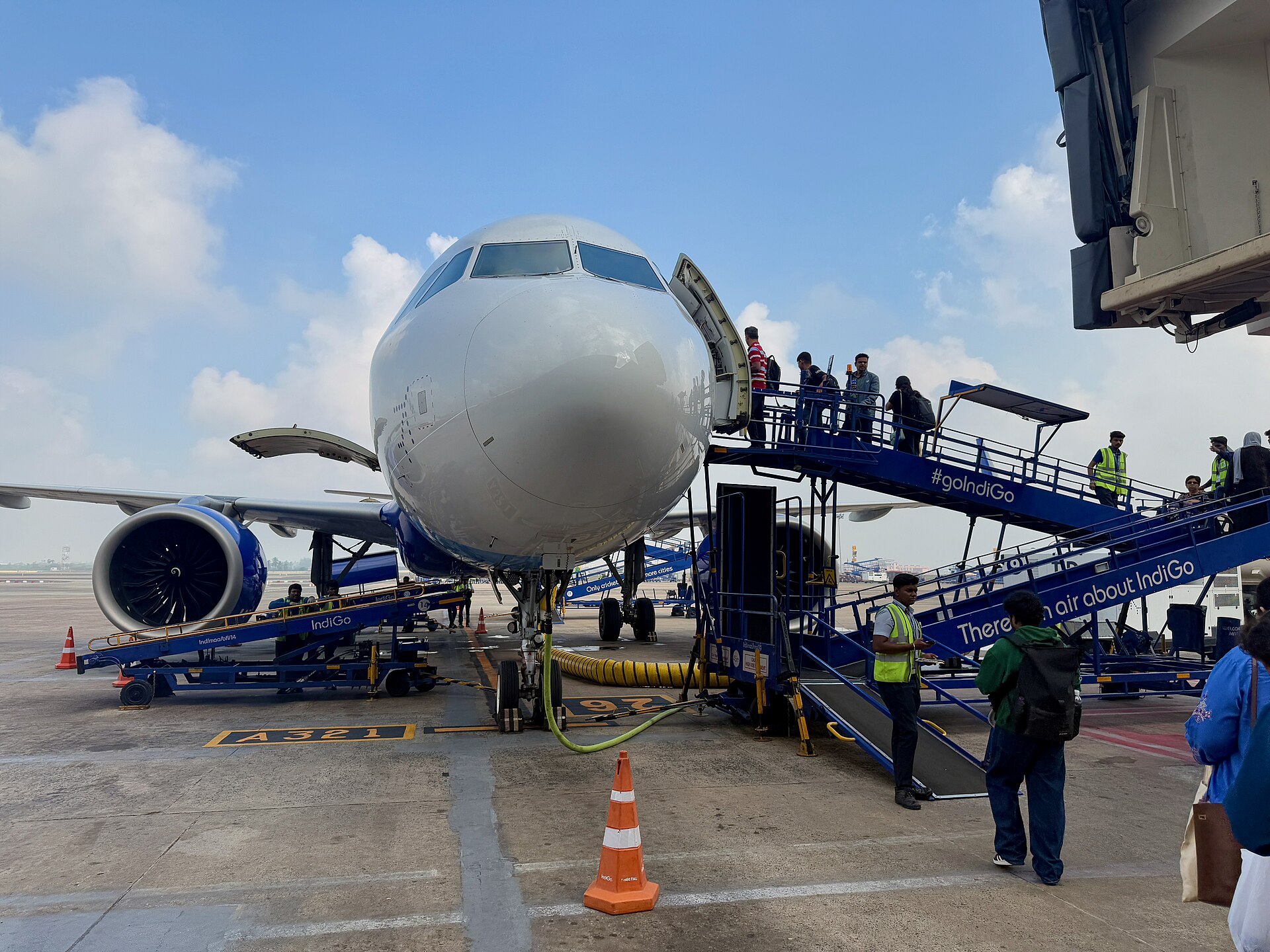
An IndiGo Airbus A321neo flight was forced to divert to Hyderabad on Saturday after a passenger’s power bank caught fire in an overhead storage bin. The aircraft, operating as flight 6115 from Delhi to Chennai, landed safely at Rajiv Gandhi International Airport without any reported injuries.
Viral video footage from the cabin shows passengers and crew members working to contain the blaze. The incident occurred while the jet was en route to Chennai International Airport. The flight crew responded immediately to the smoke and fire, executing an emergency descent to the nearest suitable airport.
Emergency Landing in Hyderabad
Flight 6115 had departed from Delhi Indira Gandhi International Airport before the emergency developed. The Airbus A321neo, identified by tail number VT-NOE, was diverted to Hyderabad, which is located a short distance from the intended destination of Chennai.
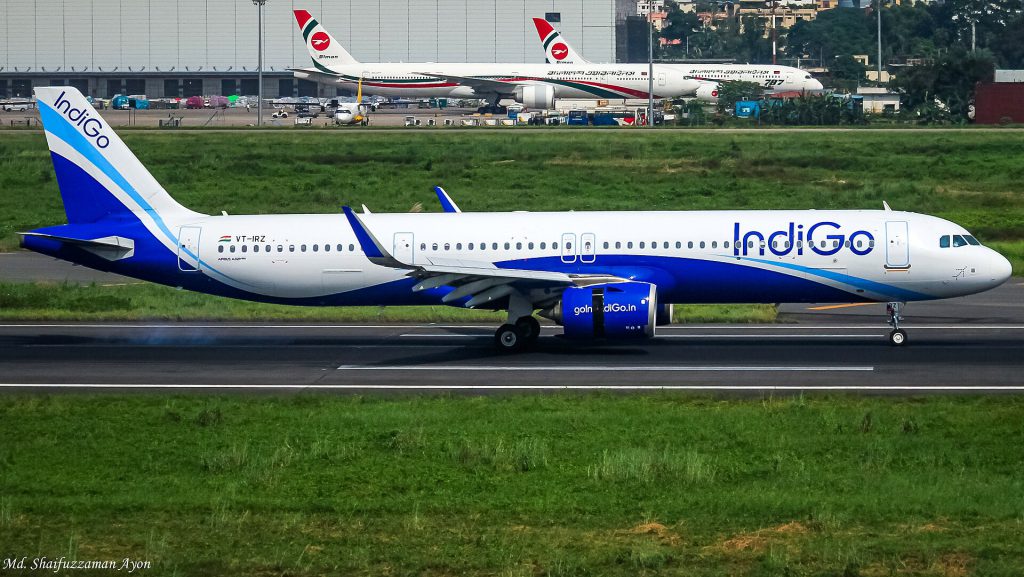
An IndiGo spokesperson confirmed the details of the incident in a statement released shortly after the landing. The airline noted that smoke was detected from a customer’s personal electronic device. Cabin crew brought the situation under control, and an alternate aircraft was arranged to transport the passengers to their final destination.
The passengers emerged unscathed from the event. IndiGo facilitated the transfer of travelers to the replacement plane to continue their journey to Chennai. A full investigation into the exact cause of the fire and the extent of damage to the aircraft is expected to follow.
Violation of Safety Policies
The incident highlights a critical violation of airline safety regulations regarding lithium-ion batteries. IndiGo explicitly states that backup battery devices, including power banks and loose spare batteries, are only permitted in hand baggage. These items are strictly forbidden in overhead compartments or checked luggage.
Storing such devices in overhead bins poses a severe risk to the aircraft and its occupants. Aviation experts describe the failure of a lithium-ion battery as a thermal runaway event. This chemical chain reaction generates its own oxygen and intense heat, often exceeding 600 degrees Celsius.
When a power bank fails, the heat causes neighboring cells to rupture and explode sequentially. This creates a torch-like flame that can ignite surrounding luggage, clothing, and nylon bags. These fires are notoriously difficult to extinguish completely because the internal chemical reaction can continue even after visible flames are suppressed, leading to potential re-ignition.
The location of the fire significantly increased the danger. An overhead bin acts like an enclosed oven, concentrating heat and trapping dense smoke. This environment accelerates the rate at which adjacent materials ignite. If a fire burns through the top of a luggage bin, it can damage critical electrical wiring and control lines located in the ceiling panels of the aircraft.
Aviation Safety Concerns
The proliferation of high-capacity consumer electronics has increased the frequency of such incidents. Historically, in-flight emergencies were more often related to onboard electrical systems or engine issues. However, the risk from personal electronic devices has grown as these batteries become more powerful and complex.
Smoke inhalation is a primary threat in cabin fires. A cabin fire produces thick smoke containing carbon monoxide, hydrogen cyanide, and vaporized plastic. Aviation data indicates that flight crews typically have only 15 to 19 minutes to land the aircraft once an uncontained cabin fire takes hold. The dense smoke can impair the vision of flight attendants and the ability of pilots to safely fly the plane.
The crew of flight 6115 managed to catch the fire early and land well ahead of this critical timeline. The incident serves as a stark reminder of the dangers associated with improper storage of lithium batteries in the cabin environment.
Source: Simple Flying
