


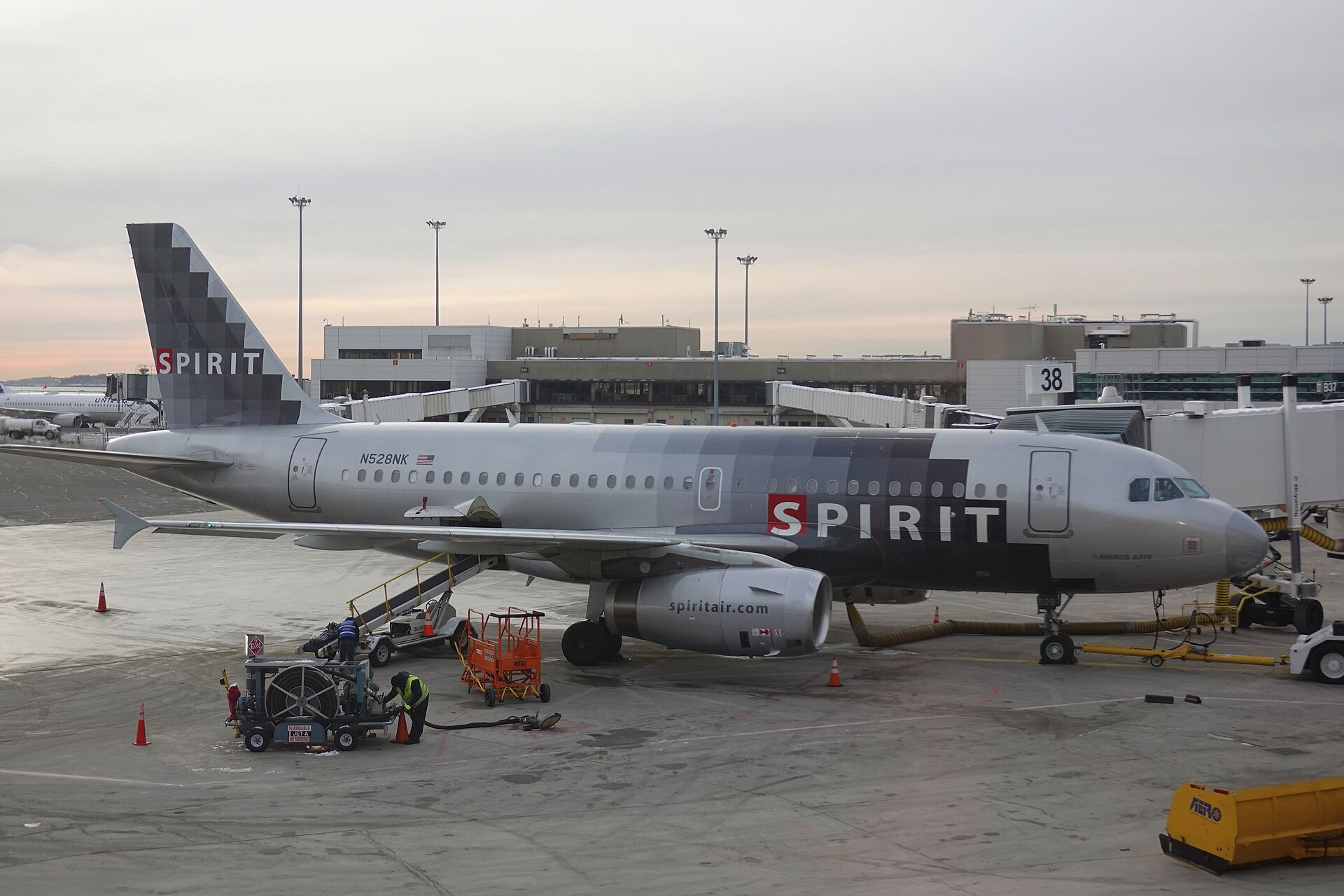
Spirit Airlines’ proposed $10 million sale of its operational and employee data to Google has encountered significant resistance, transforming a standard bankruptcy asset liquidation into a complex legal battle. The deal, which aims to transfer millions of records to help Google enhance its artificial intelligence models, has drawn sharp opposition from labor unions, lawmakers, and privacy advocates.
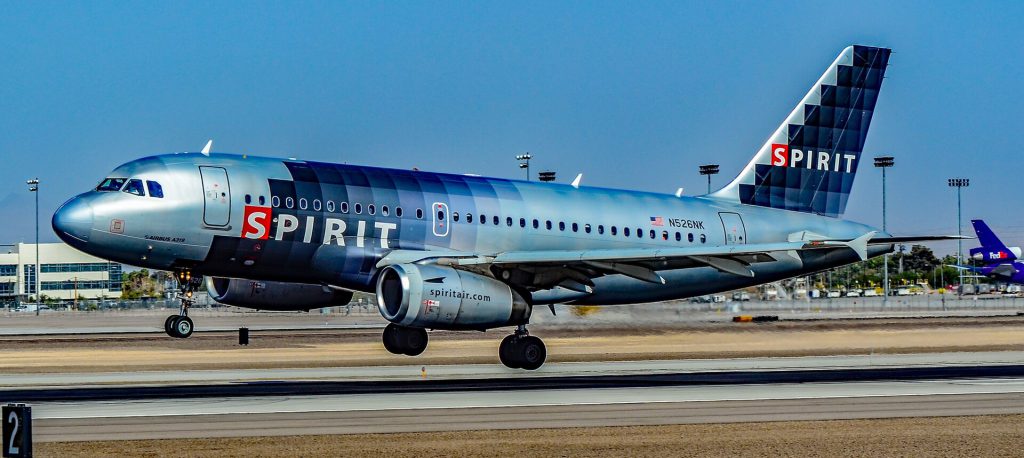
Spirit Airlines ceased operations in May and has been working to liquidate its remaining assets. The carrier has already sold its valuable takeoff and landing slots at New York’s LaGuardia Airport to JetBlue and sold its Florida headquarters to a hedge fund. However, the data sale has proven to be the most contentious item on the liquidation list.
Scope of Data and Privacy Concerns
Under the terms of the agreement, Google would receive a vast array of information. This includes payroll records, email accounts, and employee data dating back to 1986. The dataset also encompasses Spirit’s pricing models, booking curves, flight behavior data, in-flight purchase records, Wi-Fi usage logs, refund histories, and travel package details.
Both Spirit Airlines and Google have stated that the data would be scrubbed of personal identifying information before being used. A consumer privacy ombudsman recommended approving the deal on October 5 after Spirit narrowed the scope of consumer data, excluded passenger databases, and hired an external agent to handle de-identification.
However, the ombudsman’s report did not address employee privacy, which is the primary source of opposition. Critics argue that the breadth of the data collection poses risks that go beyond simple identity theft. The Association of Flight Attendants and the Air Line Pilots Association have filed formal objections to the sale.
Political and Legal Opposition
The pushback has extended to the highest levels of government. A group of 121 lawmakers, led by Senator Elizabeth Warren and Representative Steven Horsford, wrote to Spirit CEO Dave Davis and Google CEO Sundar Pichai expressing their concerns. The Electronic Privacy Information Center also filed an amicus brief in support of the opposition.
The Air Line Pilots Association argued that the risk of reidentifying pilots extends beyond Spirit Airlines to voluntary FAA safety programs across the entire industry. They fear that making such detailed behavioral data available to a tech giant could undermine industry-wide safety initiatives.

Additionally, Springshot, a vendor whose intellectual property is included in the dataset, has raised objections. The company claims the sale sweeps in its proprietary technology without proper compensation or consent.
Competing Bids and Next Steps
The legal challenges have delayed the approval process multiple times. The next hearing is now scheduled for November 6. Meanwhile, rival bidders are circling the asset. AI training startup Micro1 has offered $12.5 million for the data, a higher price than Spirit’s proposed deal with Google.
The case represents a thorny issue of how far bankruptcy code should go to protect employee privacy as AI technology makes rapid advances. The outcome will likely set a precedent for how airline data is treated when carriers shut down.
Source: Skift
