


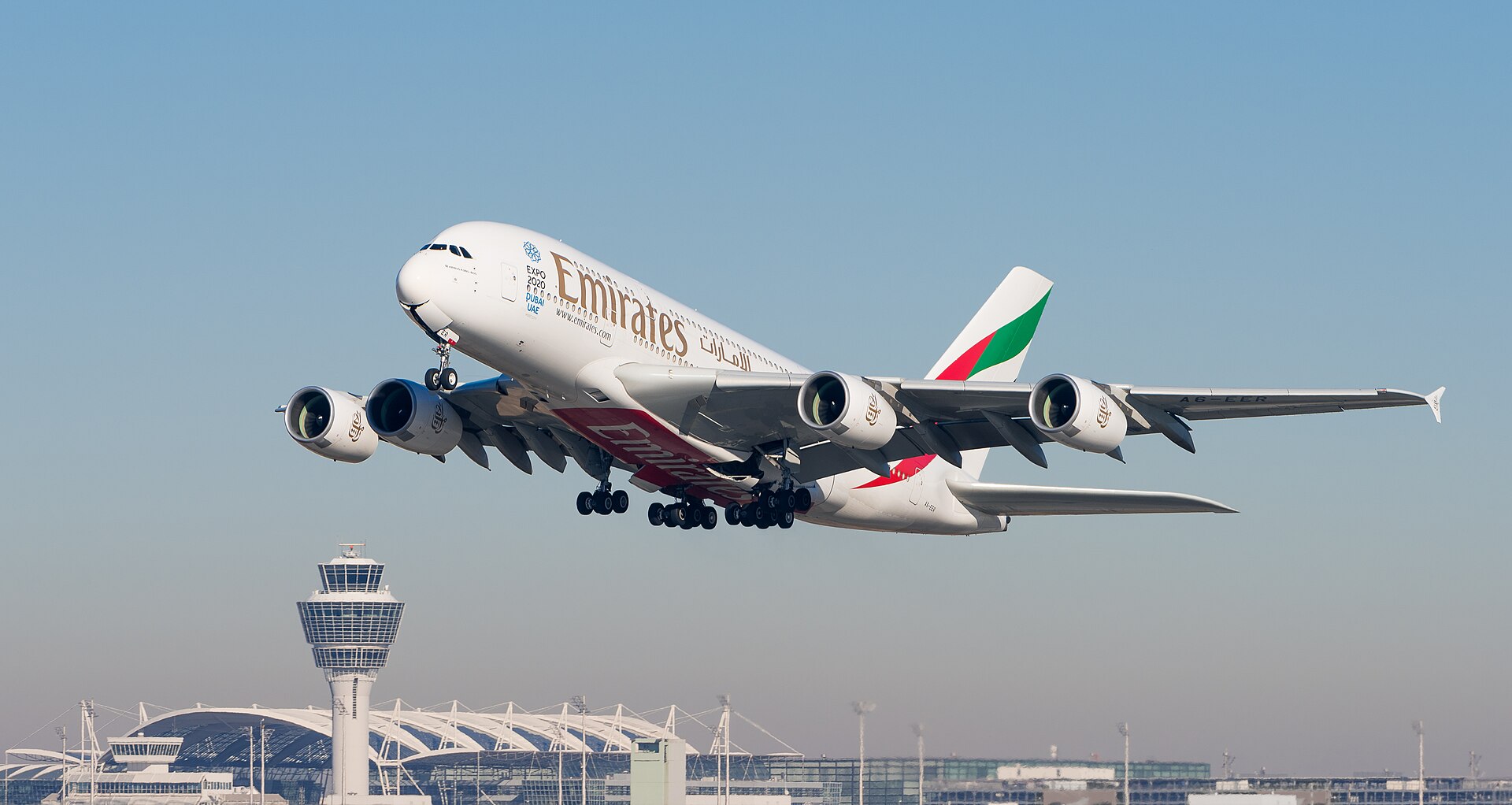
The Federal Aviation Administration (FAA) has issued an urgent airworthiness directive requiring the replacement of turbine components on certain Airbus A380 engines. The order follows an incident where an uncontained failure forced a superjumbo to abort its takeoff. The directive, effective October 23, targets 15 high-pressure turbine interstage seals on the Engine Alliance GP7200-series engines.
Urgent Replacement for GP7200 Engines
Operators must replace the affected seals within 50 flight cycles or 30 days, whichever comes first. The FAA classified this as a high-urgency measure due to the potential for debris to escape the engine containment structure and damage other aircraft systems. The estimated cost for these replacements is $528,150 per affected engine, according to reports from AeroTime.
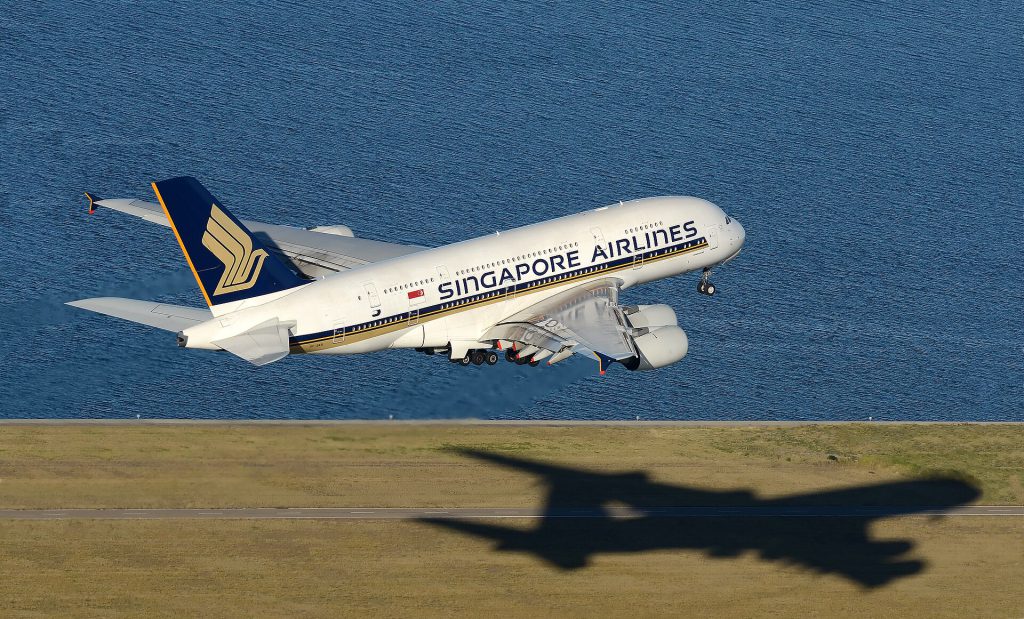
The directive applies to specific variants within the GP7000 turbofan family, which is a joint venture between GE Aerospace and Pratt & Whitney. These engines share a common architecture featuring a GE90-derived core and PW4000 low-pressure models. The affected engine types include the GP7270, GP7270A, and GP7270F.
While the FAA has not identified the specific airline or aircraft registration involved in the recent incident, the manufacturer’s investigation points to a mechanical issue. Investigators found that cracking likely occurred at the locating features between the interstage seal and the shaft. A contributing factor identified was “clocking,” which refers to the relative rotation of the seal during operation.
Overhaul and Maintenance Concerns
The root cause of the seal movement remains under investigation, but the manufacturer has noted that movement in seals can occur in engines reassembled during overhaul. Overhaul involves uninstalling the engine, disassembling it, cleaning, inspecting, and repairing components before reassembly and testing to strict airworthiness standards. The FAA mandated the removal of the 15 seals with the highest total flight cycles to mitigate the risk of an engine fire.
This airworthiness directive is an interim measure adopted without public consultation due to the imminent safety risk. The FAA stated that further rulemaking may follow once the root cause is fully identified. Operators are required to replace the seals with eligible parts as outlined in the Engine Alliance service bulletin.
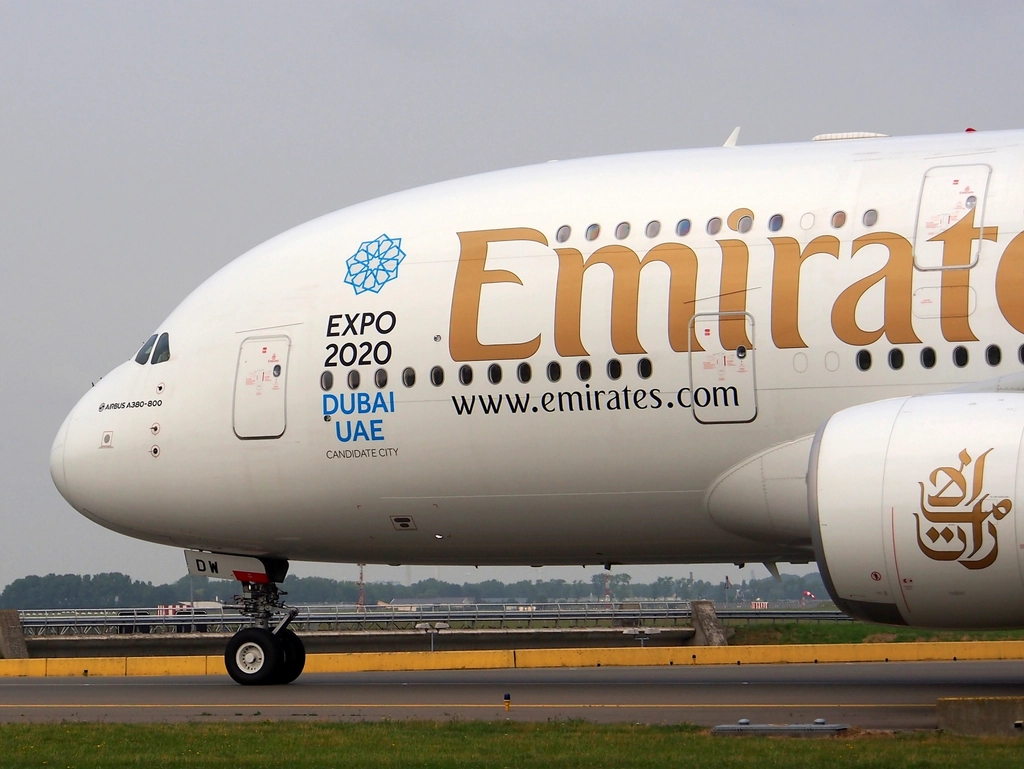
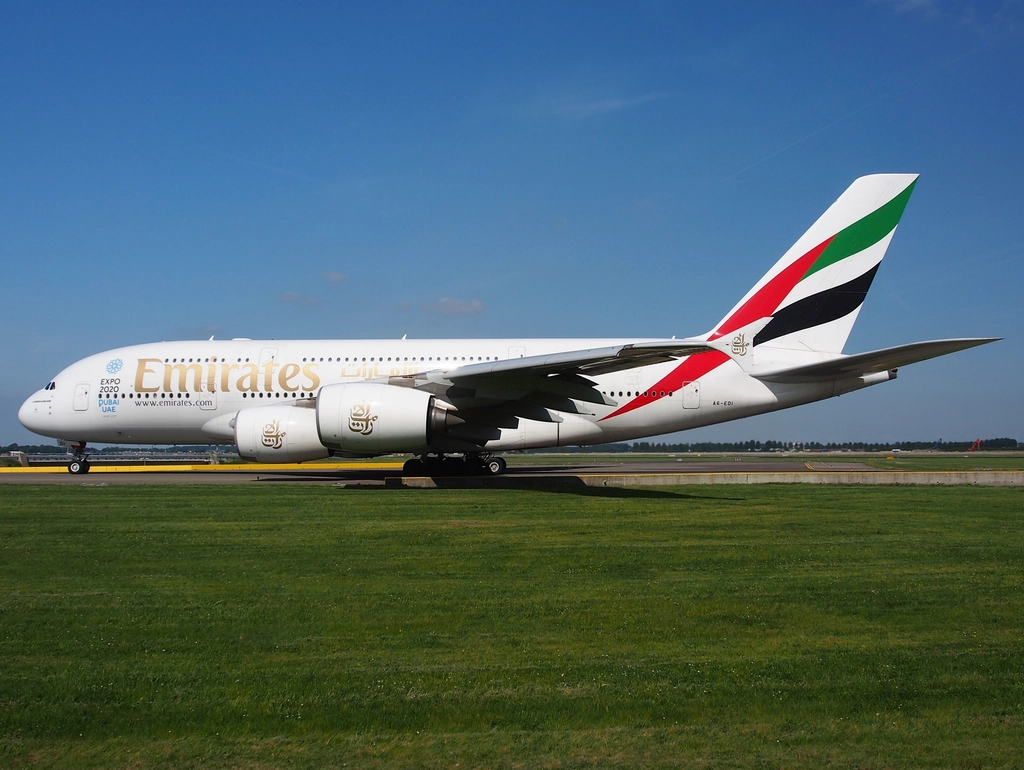
No engines installed on US-registered aircraft are affected by this directive, as no US airline currently operates the A380. The FAA has not disclosed the total number of aircraft impacted globally. The Airbus A380, the world’s largest passenger jet, was developed between 2003 and 2021. It is currently operated by 11 airlines, including Emirates, Singapore Airlines, and Lufthansa.
Source: Simple Flying
