


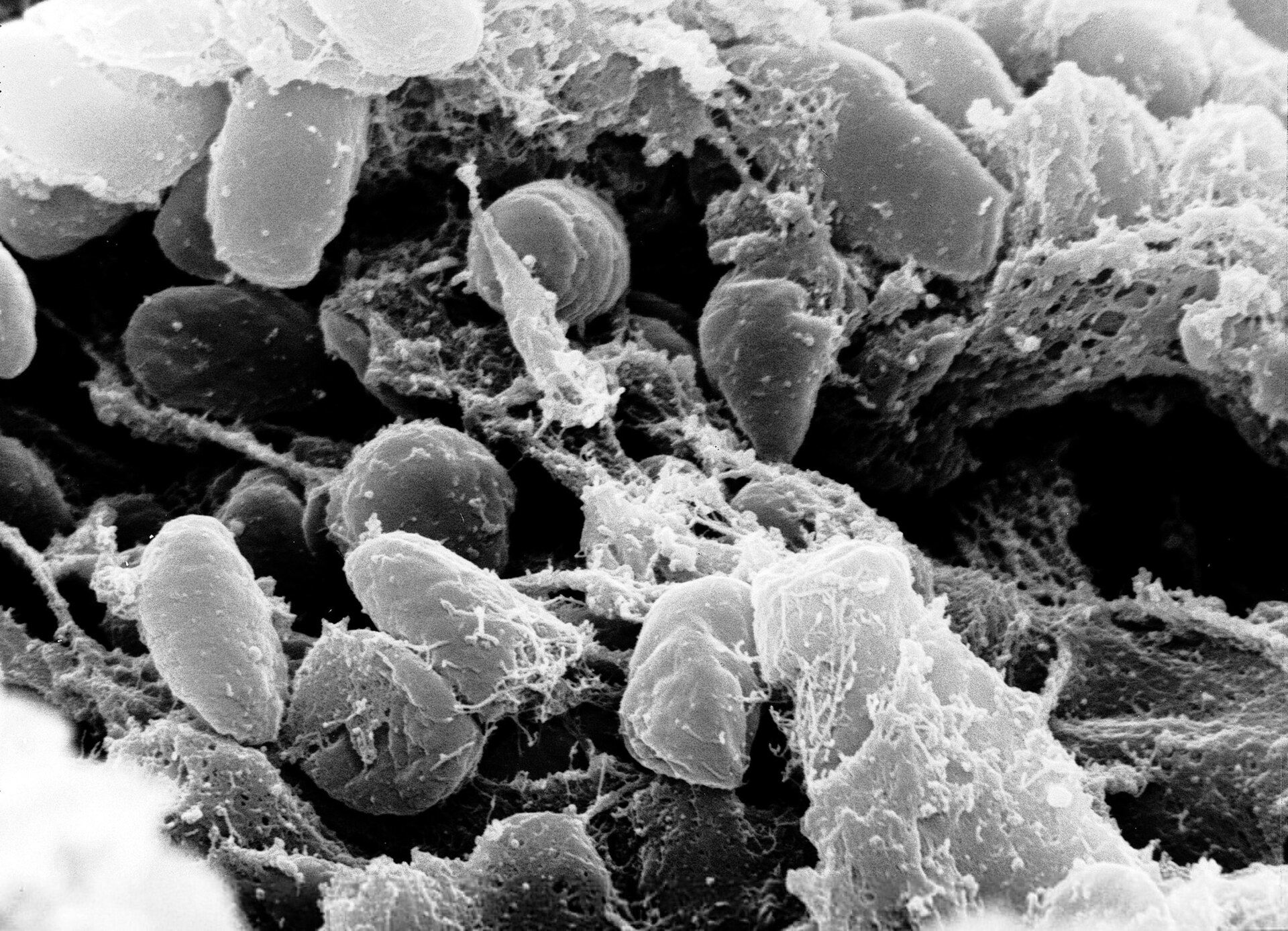
The death of a 28-year-old laboratory worker in Russia has triggered international alarm, exposing the fragility of global pandemic preparedness when nations withhold critical health data. The incident centers on the Irkutsk Anti-Plague Research Institute, a facility established in 1934 that studies dangerous pathogens including plague, anthrax, and cholera. While Russian health authorities have denied that the death was caused by plague, the circumstances surrounding the case have drawn sharp criticism from global health experts.
Transparency Gaps in Irkutsk
The worker died after developing severe pneumonia. Initial local reports suggested she may have suffered a lab accident involving a broken test tube, potentially exposing her to Yersinia pestis, the bacterium that causes pneumonic plague. This form of the disease spreads through respiratory contact and is fatal if left untreated, though it is largely treatable with antibiotics administered within 24 hours of symptom onset.
Russian officials stated the cause of death was pneumonia of unknown origin. Despite this denial, authorities placed approximately 200 contacts of the deceased under quarantine. They later reported that no high-threat pathogens were detected and that monitoring had ended. The World Health Organization (WHO) noted a potential second linked case, a claim Moscow also denied. The cause of death remains officially unconfirmed.
Prof Devi Sridhar, chair of global public health at the University of Edinburgh, emphasized that technical advances in diagnostics and vaccines are useless without political will to share information. She noted that the WHO has requested confirmation of the diagnosis, details on the investigations, and an explanation for the quarantine measures, but has not yet received this data.
Biological Weapons Concerns
Concerns are heightened by the Irkutsk institute’s rumored involvement in biological weapons research. Prof Ashish Jha, former US White House Covid-19 response coordinator, pointed out that US intelligence assesses Russia continues to develop biological weapons capabilities in secret. He noted that these programs operate without external inspection and lack internal incentives for transparency when accidents occur.

Experts have outlined three hypothetical scenarios regarding the worker’s exposure. The first suggests accidental exposure where the worker, fearing repercussions, did not seek immediate treatment, missing the critical window for antibiotic intervention. The second scenario involves exposure to an antibiotic-resistant strain, a possibility raised by academics concerned about the legacy of Soviet biological weapons programs. The third, suggested by former White House official Dan Singer, posits that the worker may have received an outdated, live-attenuated vaccine available only in Russia, which does not always provide protection and can sometimes cause disease.
International Health Regulations
As a member of the WHO, Russia is legally obligated to share information on unusual and unexpected health events that pose a serious public health impact or risk of international spread. However, international health regulations lack strong enforcement mechanisms, relying instead on broad cooperation among nations.
The United States has also demanded answers. President Donald Trump stated he would speak with Russian President Vladimir Putin about the situation. The US State Department formally requested further information under international health regulations, an irony given that the US withdrew from the WHO in January 2026 but is now invoking the framework it left behind.
The incident underscores that pandemic readiness is as much a political challenge as a scientific one. Without transparent sharing of laboratory and clinical evidence, including genomic sequencing and pathogen identification, the global community is left with speculation rather than scientific certainty.
Source: The Guardian
