


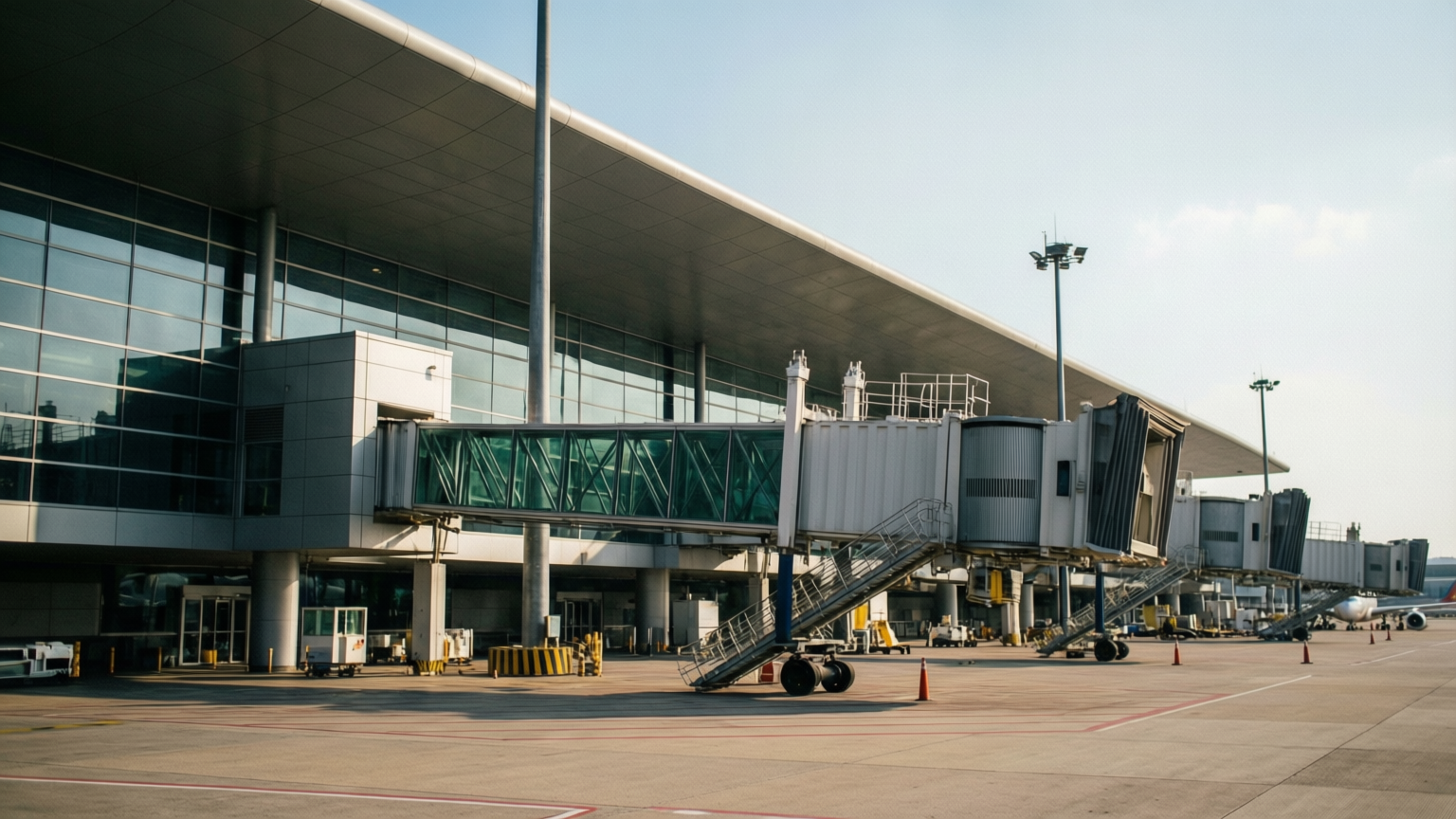
A sustained campaign of attacks on Saudi Arabia’s aviation infrastructure has brought the kingdom’s travel industry to a standstill. Between October 5 and October 11, 2026, a series of strikes targeted airports across the region, culminating in a deadly assault on King Khalid International Airport in Riyadh. The violence has forced major international carriers to suspend services and raised urgent questions about the safety of flying in the kingdom.
Deadly Strike at King Khalid International
The most severe incident occurred on October 10 at King Khalid International Airport, the primary hub for the capital. According to Saudi Arabia’s civil aviation authority, the attack killed 12 people and injured more than 300 others. The scale of the casualties has prompted an immediate halt to operations at the facility. Flights remain suspended with no timeline provided for reopening.
King Khalid International serves approximately 50 airlines and handles tens of thousands of passengers daily. The closure creates immediate logistical challenges, including aircraft displacement, crew scheduling disruptions, and stranded travelers. The economic impact extends to carriers facing losses from grounded fleets and canceled routes.
Other airports in the kingdom were also targeted during the same week. Strikes hit facilities in Jizan, Najran, Abha, and Dammam. The coordinated nature of these attacks across multiple locations indicates a deliberate effort to disrupt the kingdom’s connectivity.
Airlines Suspend Services
The Houthi movement, which admitted responsibility for the attacks, has explicitly identified Saudi airports and airspace as targets. The group has warned international airlines and travelers to avoid the region. Houthi military spokesman Yahya Saree issued a statement on Sunday exempting only airlines serving the holy cities of Mecca and Medina from the warning.
Major international carriers have responded by suspending operations. Air France, British Airways, and Lufthansa have all halted flights to Riyadh. The decision affects thousands of passengers and disrupts global connectivity routes through the Middle East.
Delta Air Lines was scheduled to launch the first U.S. nonstop service to Riyadh on October 23. The airline’s CEO, Ed Bastian, had previously stated on October 9 that safety would determine the launch. Bastian told CNBC that “safety is going to make the call.” The timing of the attacks, occurring just days before the planned inaugural flight, underscores the volatility of the current security environment.
Impact on Travel Ambitions
Saudi Arabia has invested billions of dollars over several years to position itself as a global aviation and tourism hub. The kingdom aims to increase international connectivity and attract visitors to its growing tourism sector. This week’s violence presents a direct challenge to those strategic goals.
The underlying conflict between Saudi Arabia and the Iran-backed Houthi movement has persisted for years. However, the recent escalation represents a significant shift in tactics. By targeting civilian aviation infrastructure, the Houthis are attempting to impose economic costs and disrupt the kingdom’s development plans.
The suspension of flights at King Khalid International Airport, which serves as a critical node for regional and international travel, creates a bottleneck for the entire Saudi aviation system. The lack of a reopening timeline leaves airlines and passengers in limbo. The kingdom’s ability to attract international tourism and business travel may face long-term consequences if security concerns persist.
The Houthi movement’s explicit warnings to international carriers suggest that the threat to aviation infrastructure will continue. Airlines must now weigh the risks of operating in the region against the commercial benefits of maintaining routes. The situation remains fluid, with no clear resolution in sight for the suspended flights.
Source: Skift
