


Life often feels suspended in the immediate aftermath of a sudden loss. For one young woman in her early twenties, the drowning death of her younger brother in 2022 brought her personal trajectory to a complete standstill. She had just secured her first professional job and was preparing to move out of her family home, but the tragedy forced her to stay put. The household dynamic shifted into a quiet, fragmented existence where each family member sought comfort in isolation: her mother exercised, her father listened to music, and she sought escape.
The Greenwich Cinema Routine
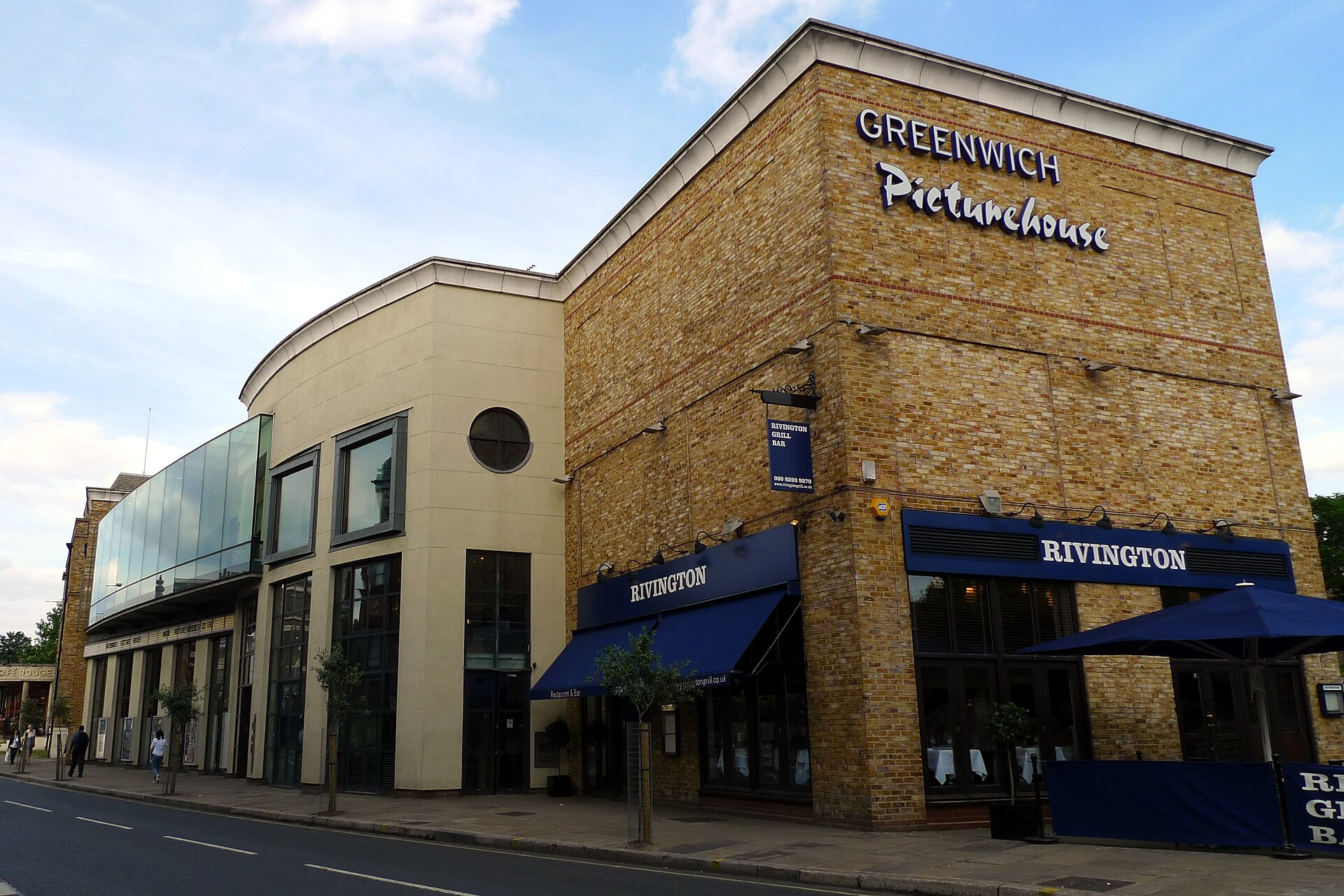
The winter of 2022 was particularly difficult. She described her mental state as foggy and numb, with heightened sensitivity to light and sound making daily life overwhelming. The pressure to eventually return to normalcy felt pointless while she remained stuck in this limbo. However, the need to leave the house persisted. A sign for an under-25s membership at her local cinema in Greenwich offered weekday tickets for £5.99, providing an affordable way to step outside.
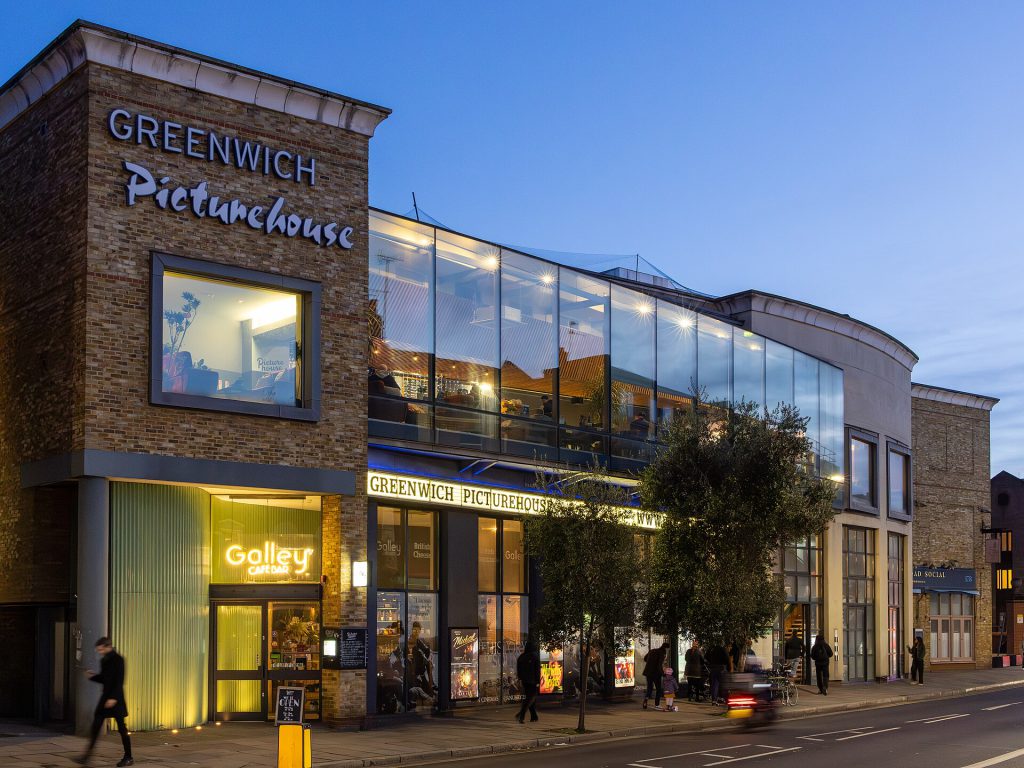
She began attending matinee screenings, often sitting alongside retirees and other older patrons. Her first significant viewing was Corsage, a film about Empress Sisi. The story of the empress’s rebellious and complex life resonated deeply, helping dormant emotions surface. The experience felt like a valve releasing pressure, allowing her to feel something after weeks of numbness. This initial breakthrough led to a weekly routine of attending screenings, regardless of the audience demographic.
Solidarity in the Dark
The cinema provided a unique environment for processing loss. Sitting in the dark allowed her to cry and react without fear of judgment or the need to perform composure for others. She found comfort in the implicit solidarity of strangers sharing the same space. This silent companionship proved more therapeutic than overt sympathy from friends and family, which often felt intrusive. Instead of pressing on a sore spot, the cinema experience felt like loosening the muscles around an injury.

She avoided films about loss, such as One Fine Morning, finding them too difficult to watch. Instead, she chose life-affirming and escapist films like The Count of Monte Cristo, The Taste of Things, and Puss in Boots: The Last Wish. These movies reminded her of the world beyond her grief bubble. Over time, the cinema also sparked intellectual curiosity. Watching How to Blow Up a Pipeline introduced her to eco-anarchism, while Aubrey Gordon’s documentary Your Fat Friend inspired her first piece of journalism on atypical anorexia.
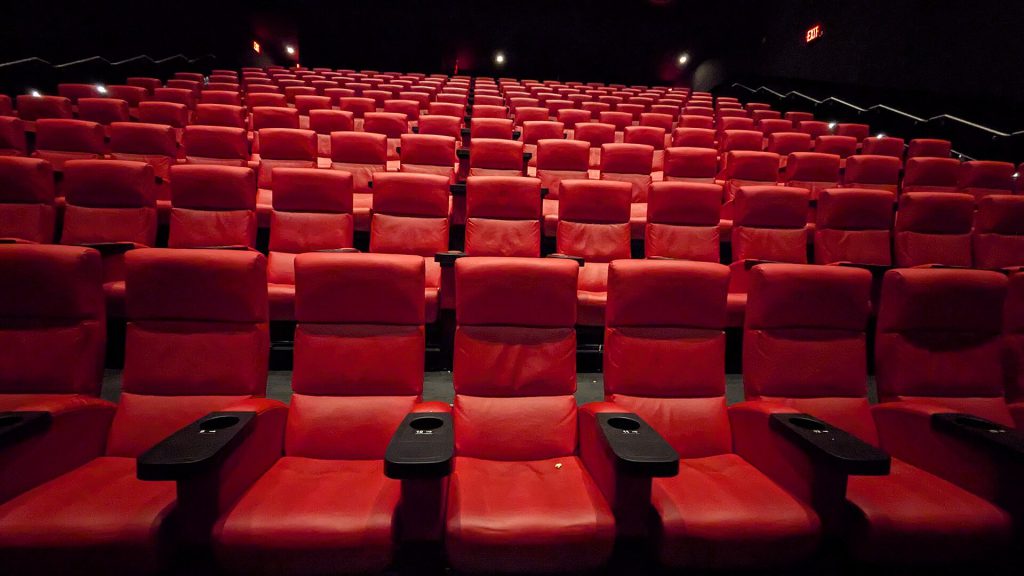
By March, she felt ready to rejoin the world. The weekly ritual of buying a ticket, sitting in the dark, and letting her shoulders drop became a tool for rebooting her mental state. Even now, on difficult days, she returns to the cinema as a method of self-care and reconnection.
Source: The Guardian
