


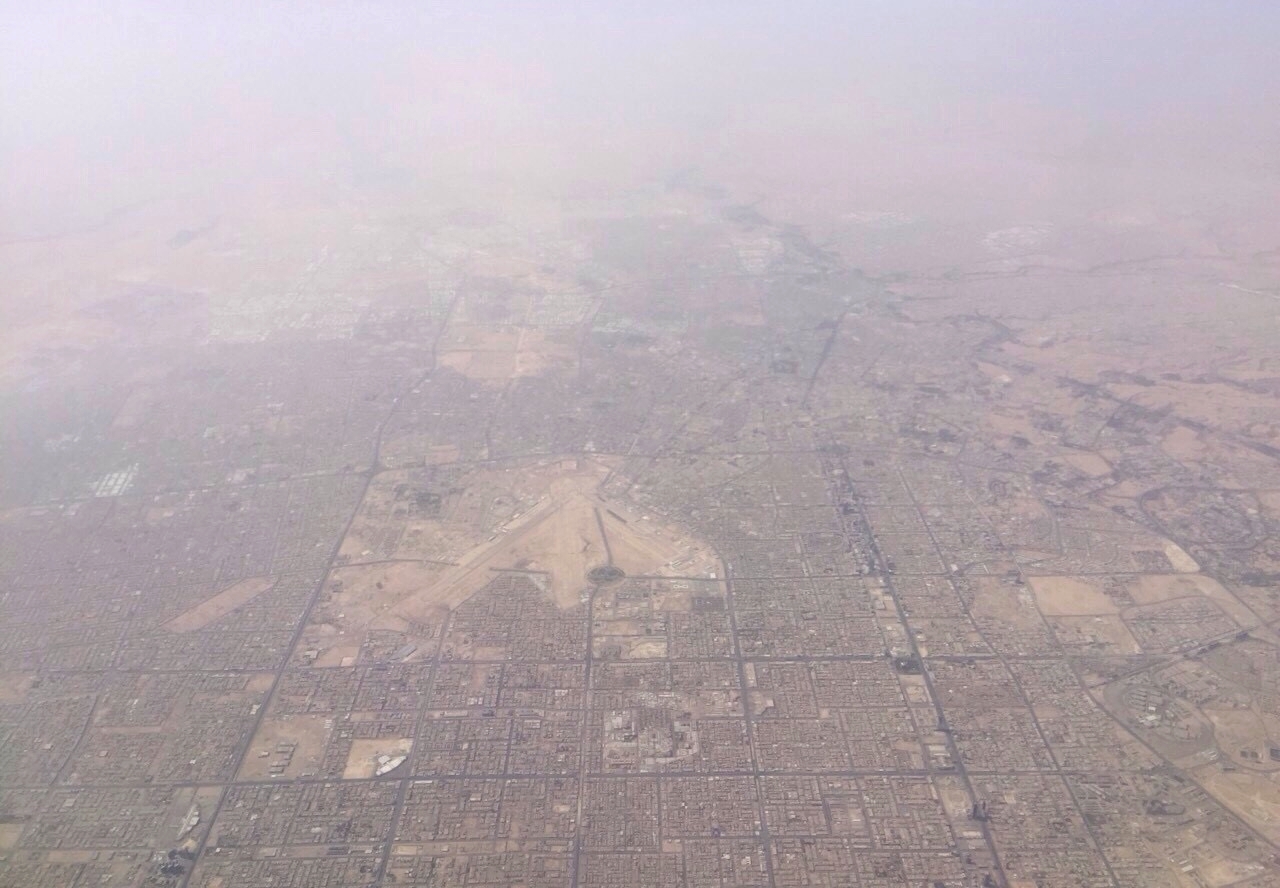
King Khalid International Airport (RUH) in Riyadh has become a focal point of aviation disruption in the Middle East following a series of Houthi missile attacks. The strikes have caused massive operational halts, with data from aviation analytics firm Cirium showing that the airport is Saudi Arabia’s second-busiest hub. In October 2026, the facility was scheduled to handle 11,222 departures, trailing only Jeddah’s King Abdulaziz International Airport (JED), which planned 11,832 departures.
Escalating Attacks and Operational Suspensions
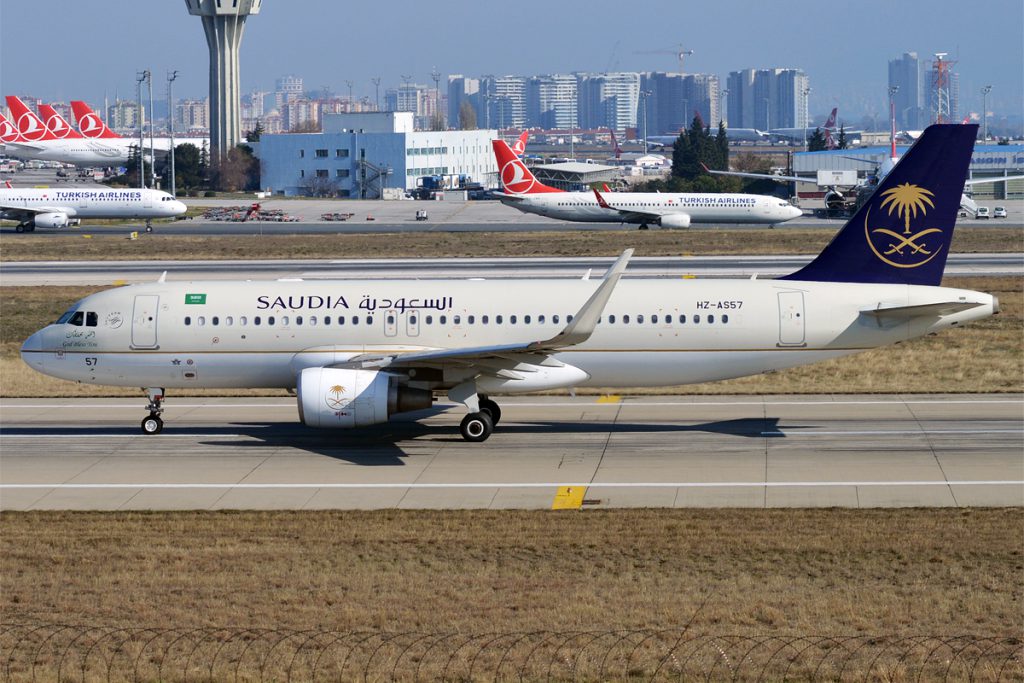
The severity of the situation escalated rapidly over the weekend. The first attack occurred on Thursday, October 8, when a missile struck the airport and destroyed a Saudia Airbus A320. While Friday saw comparatively minimal disruption, with FlightAware data recording 24% of departures canceled and 52% delayed, the situation worsened significantly on Saturday, October 10.
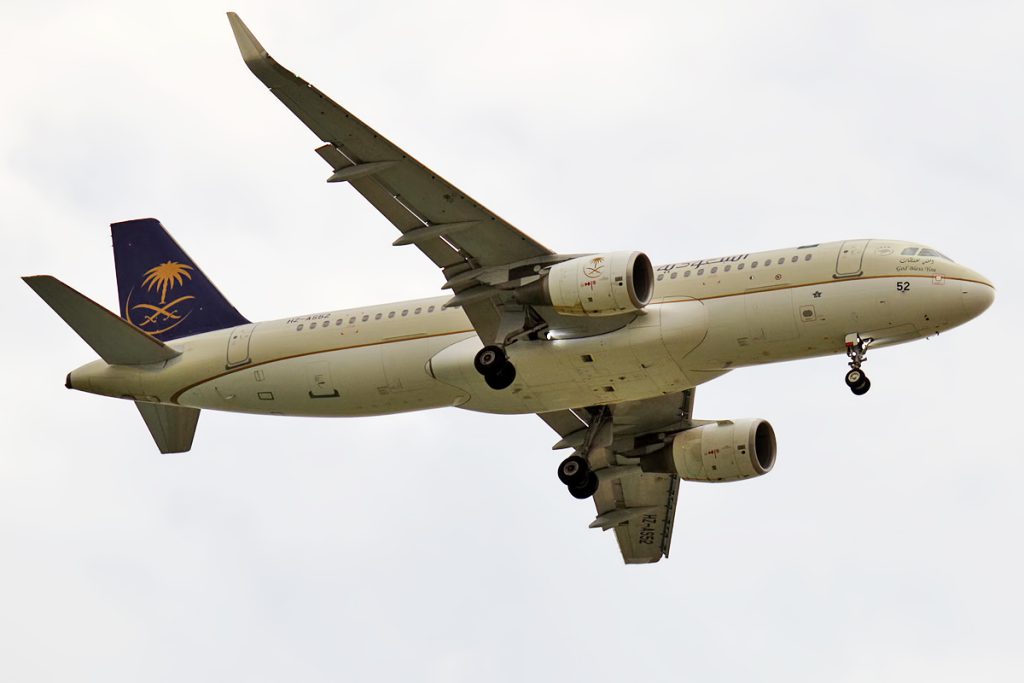
A second, larger-scale assault hit Terminal 3 on Saturday, resulting in 13 fatalities and more than 300 injuries. The impact on flight operations was immediate and severe. On Saturday, 65% of Riyadh’s departures were canceled, with an additional 16% delayed. By Sunday, the cancellation rate had risen to 82%, affecting 293 flights, while only four flights experienced delays.
Saudi Arabia’s General Authority of Civil Aviation (GACA) confirmed that operations remain suspended. “The GACA announced an extension of the suspension of operations (…) in Riyadh while it completes procedures to verify the safety and operational readiness of the airport’s facilities, in coordination with the relevant authorities,” the authority stated. As of Monday, October 12, 69% of scheduled departures and 72% of arriving flights had already been canceled.
Saudia Faces World’s Worst Disruption
Among all carriers, Saudia, the Saudi flag carrier and SkyTeam member, has been the hardest hit. Although Jeddah handles more total seats, Riyadh is Saudia’s primary hub. The airline had planned 4,163 flights from Riyadh in October, compared to 4,132 from Jeddah. Consequently, Saudia ranked as the most disrupted airline globally regarding delays and cancellations. On Monday, 51% of its scheduled flights were canceled, with another 7% delayed.
Other Saudi carriers also faced significant challenges. Flynas and Flyadeal completed the podium for the most disrupted airlines. The ripple effects extended to other Saudi airports, including Jeddah and Dammam (DMM), which have also been subject to attacks. Jeddah saw 18% of departures canceled and 11% delayed, while Dammam recorded 30% cancellations and 8% delays.
Impact on International Routes and Future Services
The ongoing instability has forced several international carriers to cut flights to Riyadh. According to The New Arab, Air India, Emirates, Etihad Airways, flydubai, Kuwait Airways, Qatar Airways, and SriLankan Airlines have all reduced their services to the Saudi capital.
The disruptions pose a particular challenge for Delta Air Lines, which has confirmed an October launch date for its new Atlanta-Riyadh route. The service had already been experiencing low booking interest prior to the attacks. The current security environment and widespread flight cancellations are expected to further dampen demand for the new route, complicating Delta’s entry into the Saudi market.
Source: Simple Flying
