


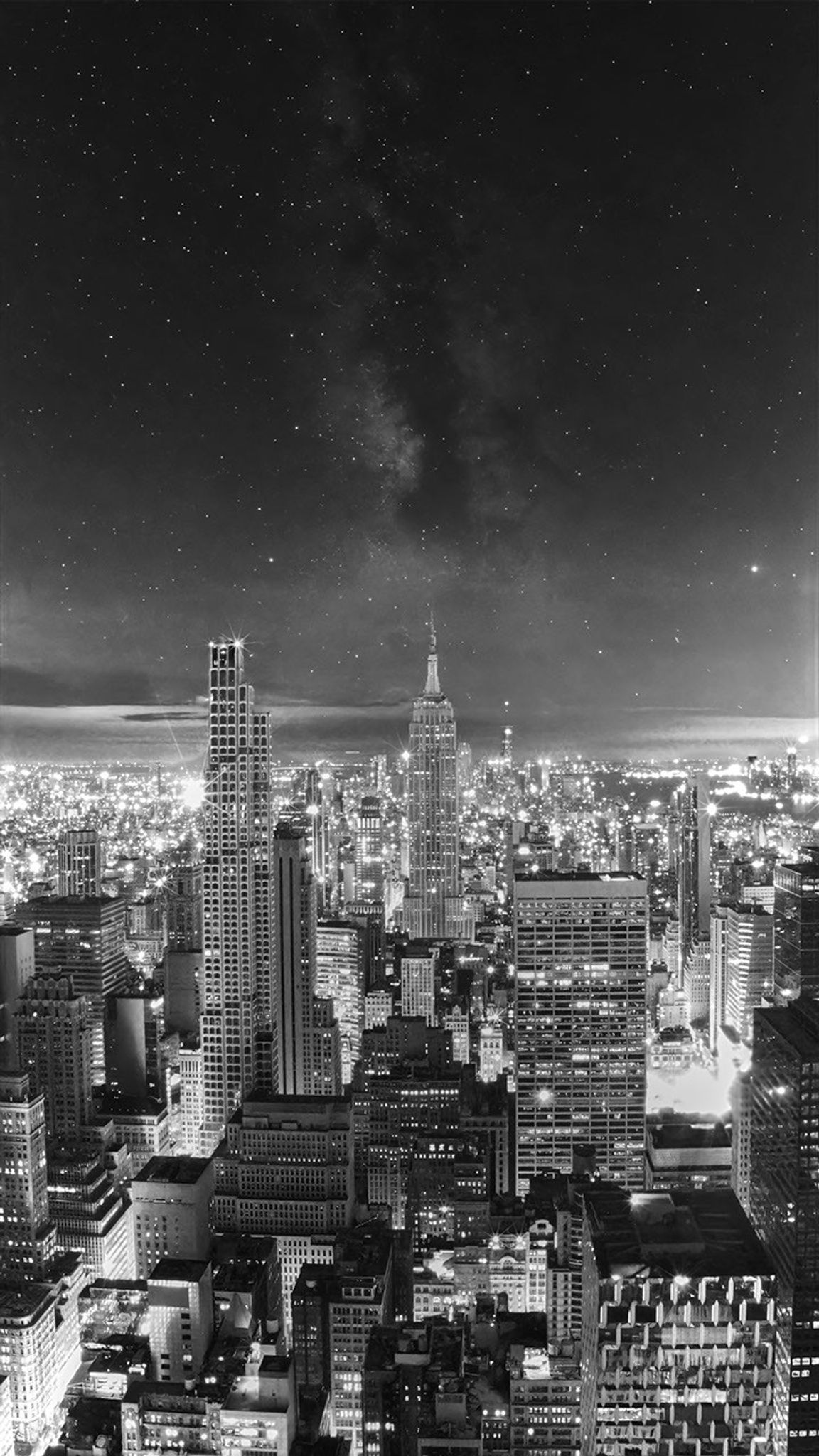
Astronomers and astrophotographers have long struggled to capture the Milky Way from major metropolitan areas due to intense light pollution. A new image featured by NASA demonstrates that the galaxy is still visible above Manhattan, provided the right equipment is used to filter out the city’s artificial glow.
The photograph, released as part of the Astronomy Picture of the Day (APOD) series, shows the dense band of stars and dust that makes up our galaxy stretching across the sky above the New York City skyline. The image challenges the common assumption that urban light completely washes out celestial objects.
Infrared Filtering Blocks City Glow
The key to this visibility lies in the specific type of light captured. The photographer used a camera equipped with a filter that blocks most visible light. Instead, the sensor recorded only near-infrared radiation, which has lower energy than the light human eyes can see.
This technical choice effectively neutralizes much of the light pollution that typically obscures the night sky in dense urban environments. Modern street lighting and building illumination rely heavily on technologies that do not emit significant near-infrared light. Fluorescent bulbs and light-emitting diode (LED) fixtures, which dominate contemporary urban infrastructure, are largely invisible to the filtered camera sensor.
However, not all artificial light is blocked. Older incandescent bulbs and certain neon signs continue to emit radiation in the near-infrared spectrum. These sources remain bright in the final image, appearing as distinct points of light against the darker sky. The stars and the Milky Way itself also shine brightly in this wavelength, allowing them to stand out clearly.
Urban Astronomy and Shared Sky
This image serves as a practical reminder that the cosmos is present even in the most developed regions. It highlights how specialized equipment can reveal natural phenomena that are otherwise hidden from casual observation.
The APOD explanation notes that the photograph underscores the idea that all inhabitants of Earth share the same sky. Astronomy provides a means for people in cities to connect with their place in the universe, regardless of the surrounding urban environment.
The technique demonstrated here is not unique to New York. Similar infrared photography has been used to capture celestial events from other major cities worldwide. It offers a method for amateur and professional astronomers to document the night sky without traveling to remote dark-sky locations.
The image is part of a daily series that features different views of the universe. The accompanying text is written by professional astronomers who provide context for the visual data. This particular entry was selected for its ability to bridge the gap between urban life and cosmic observation.
Tomorrow’s featured image will focus on a different aspect of space observation, specifically tracking the International Space Station. The current image remains a testament to the persistence of natural light in the face of human-made illumination.
Source: NASA
