


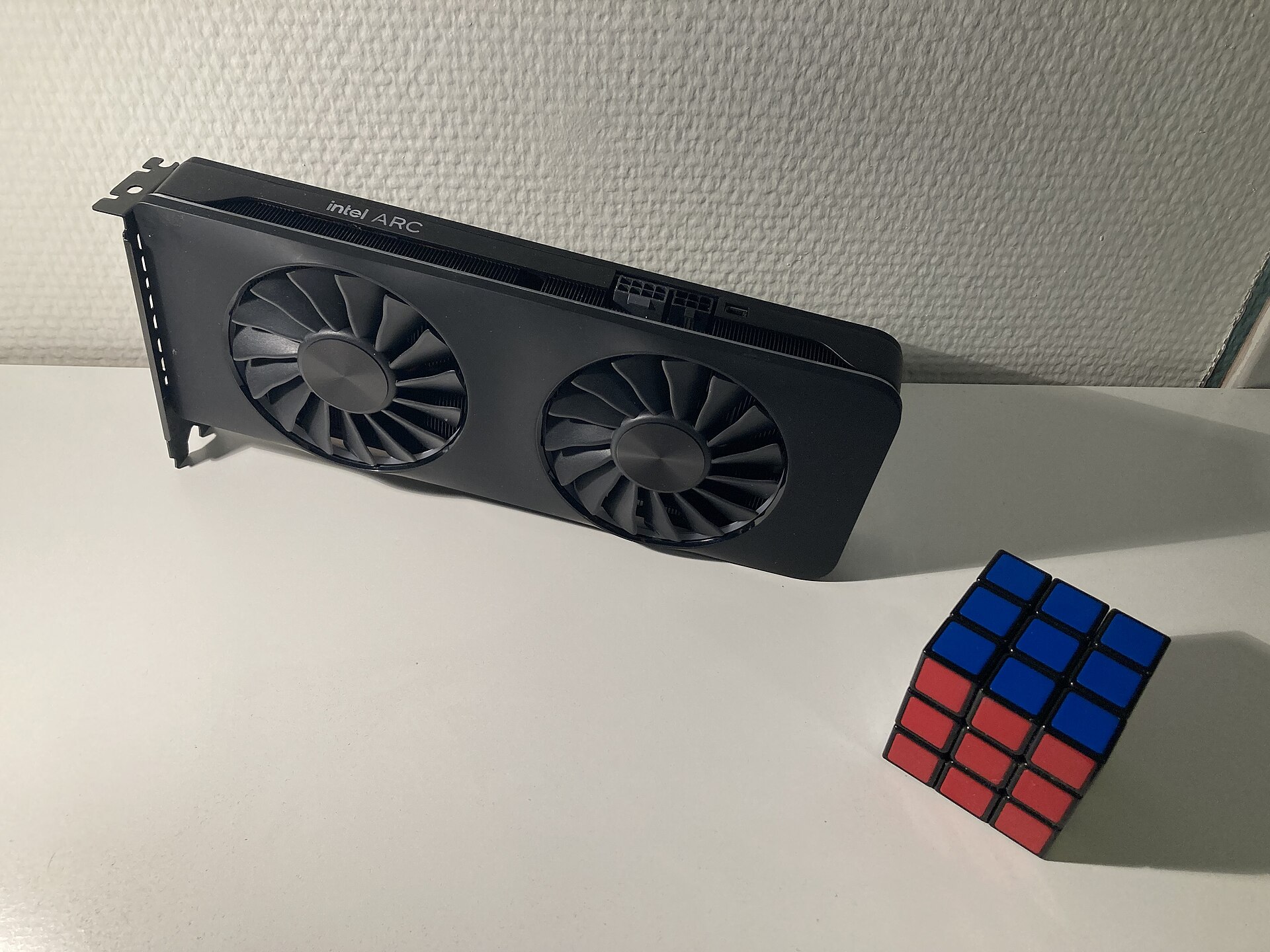
Intel has released a new graphics driver that promises substantial performance gains for its Arc GPU lineup, particularly for integrated graphics found in its latest laptop processors. The WHQL driver 32.0.101.9150 includes release notes that highlight significant frame rate improvements in several recent titles, suggesting that the company’s software optimization efforts are yielding tangible results for users.
Lunar Lake and Resident Evil Requiem Performance
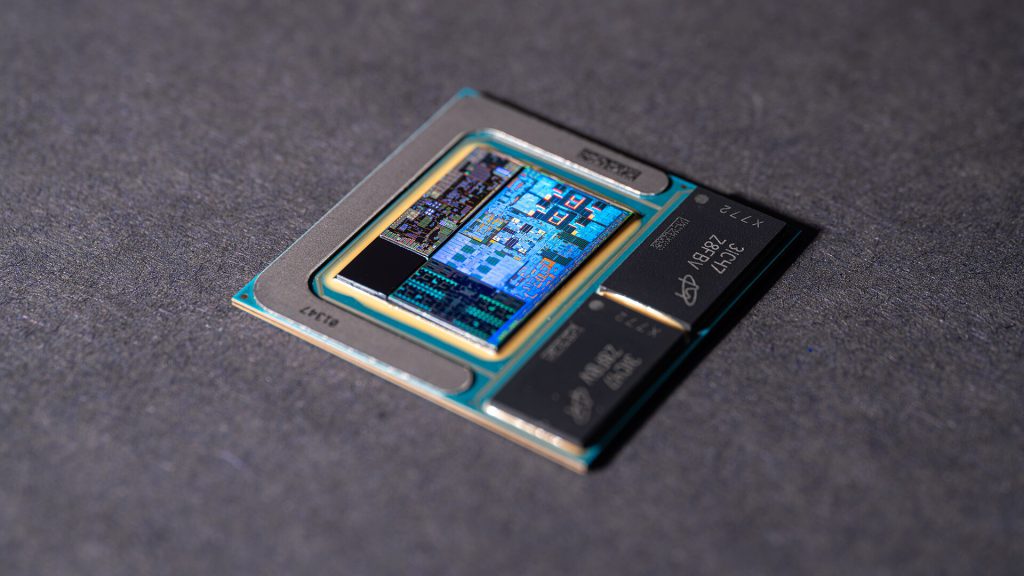
The most notable claim in the driver update concerns the Intel Core Ultra Series 2, also known as Lunar Lake. According to the release notes, users playing Resident Evil Requiem at 1080p resolution with medium settings can expect an average frame rate increase of 31 percent. This uplift remains strong at 29 percent when the game is run on high settings. These figures represent a significant jump in performance for integrated graphics solutions, which have historically struggled to keep pace with dedicated discrete GPUs in demanding titles.
Other games also see considerable boosts. Assassin’s Creed Shadows receives an 18 percent average frame rate increase at 1080p on high settings. The older title Assassin’s Creed Valhalla sees an 11 percent improvement under similar conditions. These updates address specific rendering issues or inefficiencies that were previously limiting performance in these popular franchises.
Broader Arc GPU Improvements
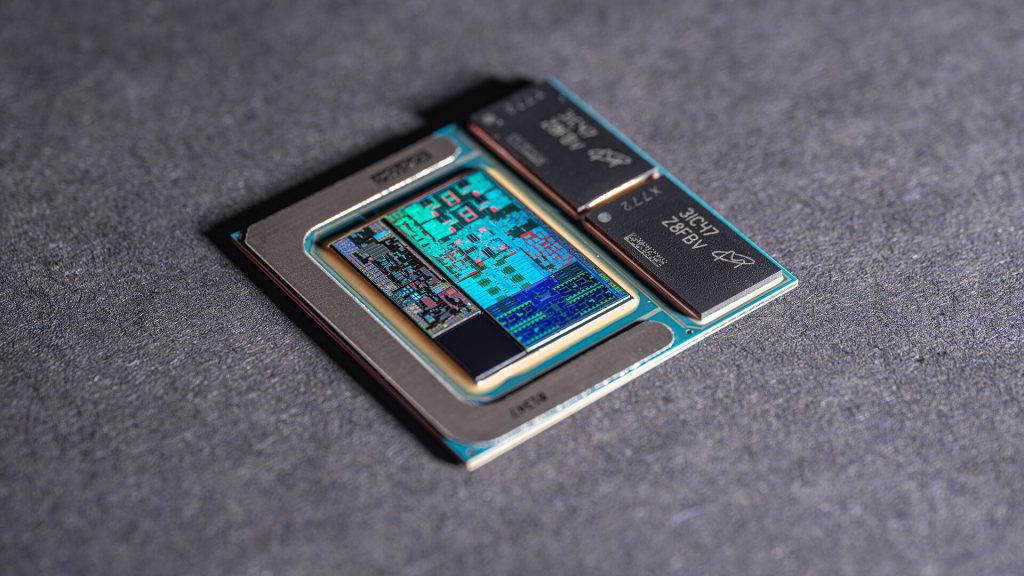
The optimization efforts extend beyond the Lunar Lake architecture. Intel’s upcoming Core Ultra Series 3, or Panther Lake, integrated graphics receive a more modest 5 percent boost in F1 25 at 1080p medium settings. While smaller, this gain indicates that the driver improvements are being applied across the current and future generations of Intel’s integrated graphics solutions.
Discrete graphics cards also benefit from the update. The Arc B-series, which includes models like the B580 and B570, sees a 6 percent performance increase in both Avatar: Frontiers of Pandora and Monster Hunter Rise. These gains are measured at 1440p resolution on high settings. Although the percentage increase is lower than that seen in the integrated graphics, it demonstrates that the driver updates are addressing compatibility and performance issues across the entire Arc product stack.
Intel Arc GPUs have often been characterized by their value proposition rather than raw performance consistency. Early reviews of cards like the Arc B580 noted that while they offered excellent price-to-performance ratios, they could be temperamental in certain games. Some titles ran poorly or failed to launch entirely. The continued driver updates aim to smooth out these inconsistencies, moving the hardware from a niche option for budget builders to a more reliable choice for mainstream gamers.
The market context for Intel’s graphics division remains challenging. Competitors like Nvidia and AMD dominate the high-end market, while Intel focuses on the budget and integrated segments. Despite global memory shortages that have impacted pricing across the industry, Intel has managed to keep its Arc B570 and B580 cards at relatively stable and low price points. This stability, combined with improving software support, helps the brand maintain its foothold in a competitive landscape.
For laptop buyers, the efficiency of the Lunar Lake and Panther Lake integrated graphics is a key selling point. These chips are designed to provide snappy performance for gaming and creative tasks without draining battery life as quickly as older architectures. The driver updates ensure that the hardware can deliver on these promises by maximizing the potential of the silicon through better software coordination.
Users with Intel Arc graphics can download the latest driver to test these improvements. The update is available through Intel’s official channels and should be compatible with a wide range of systems using Arc hardware. Gamers experiencing performance issues in the mentioned titles may find that this update resolves their problems and provides a smoother experience.
Source: PC Gamer
