


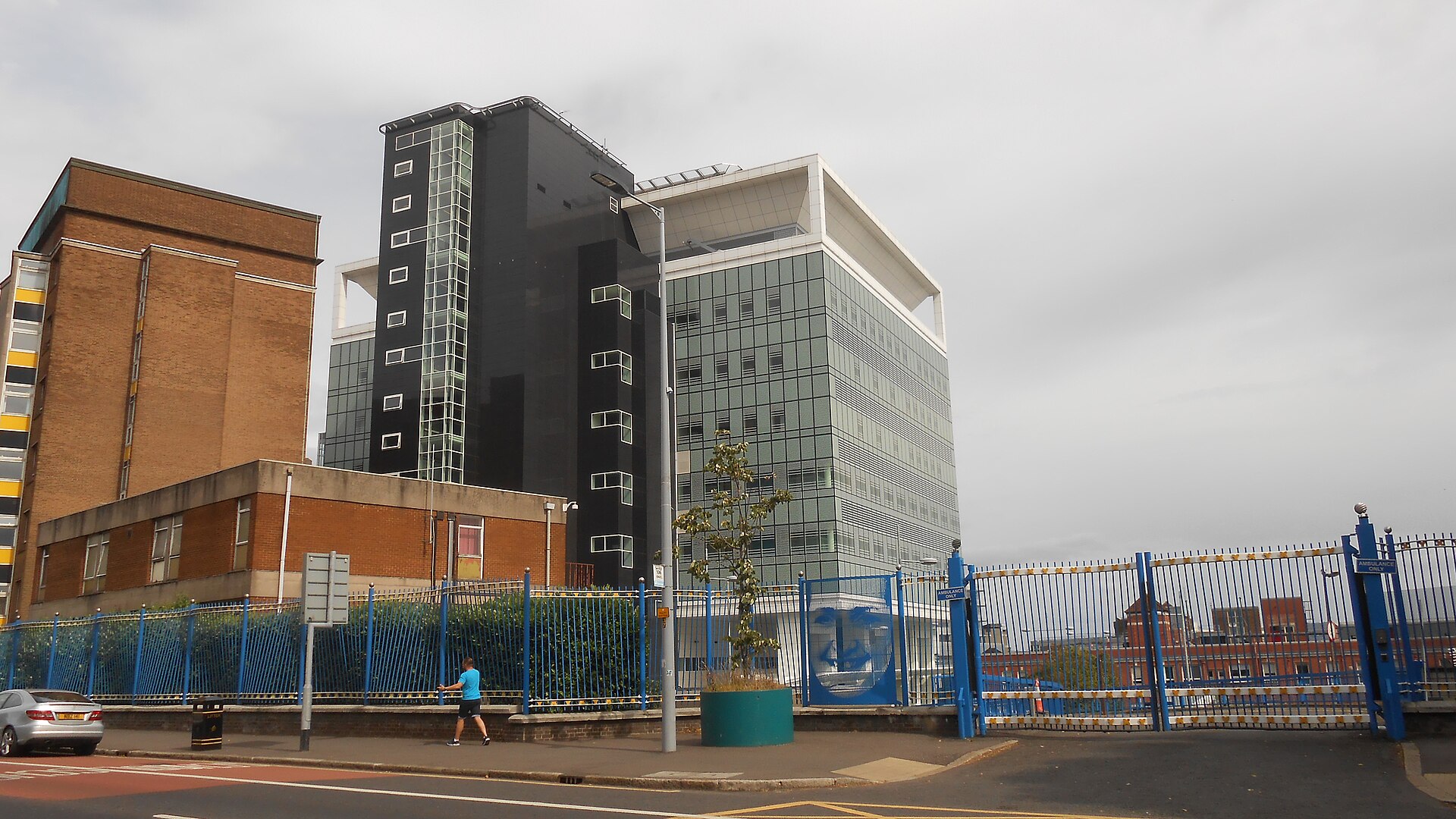
Hospital doctors in Northern Ireland have announced plans for two separate 24-hour strikes in November, escalating a long-running dispute over pay and working conditions. The British Medical Association (BMA) stated that the industrial action is necessary because pay awards have failed to keep pace with inflation for nearly two decades.
The strikes are scheduled for 20 November and 23 November. Resident doctors will begin the first walkout at 07:00 BST on 20 November and continue until 07:00 the following morning. Consultants and specialist, associate specialist, and speciality grade (SAS) doctors will join the second strike on 23 November, also starting at 07:00 BST.
Service Impact and Cover
The BMA confirmed that doctors will provide Christmas Day cover during the strikes. This arrangement means that most routine and elective services will be cancelled, but full emergency cover will remain in place to handle urgent cases. Resident doctors are fully qualified medical practitioners completing postgraduate clinical training, while SAS doctors are specialists employed by health trusts.
This marks the third time hospital doctors in the region have taken strike action this year, with previous industrial action occurring in June. The BMA has warned that doctors are prepared to escalate the dispute if the government does not address the pay issue. The union notes that doctors’ pay has dropped by more than 26% in real terms over the past 18 years due to below-inflation pay awards.
Union Demands and Government Response
Dr Clodagh Corrigan, chair of the BMA’s Northern Ireland SAS committee, emphasized that the union needs a credible offer from the government to avoid further industrial action. She stated that recent meetings with Health Minister Robbie Butler did not result in an agreement on a fair pay offer. Dr Corrigan noted that the minister was unable to confirm if the minimum annual pay uplift of 3.3%, which has been paid to doctors in other parts of the UK, would be implemented before Christmas or at all.
Dr David Farren, chair of the BMA’s NI consultants committee, said that pay is central to the recruitment and retention of doctors. He highlighted the palpable anger among members regarding sub-inflationary and late pay awards. Dr Farren argued that the annual uncertainty over pay awards reinforces the feeling that doctors are not valued, leading many to seek better-paid roles elsewhere.
The Department of Health (DoH) has been approached for comment. In a previous statement, the health minister indicated that the 2026/27 pay award should be implemented and pay parity with colleagues in NHS England restored as soon as possible. However, nursing staff in Northern Ireland have not yet received the 3.3% increase recommended by the NHS pay review body earlier this year.

The situation has been compounded by the Royal College of Nursing announcing that it is also balloting its members on potential strike action. The union cited months of inaction on the pay award as the reason for the ballot. The BMA has urged the government to value doctors by paying them fairly to help address the waiting list crisis and transform the health service.
Source: BBC
