


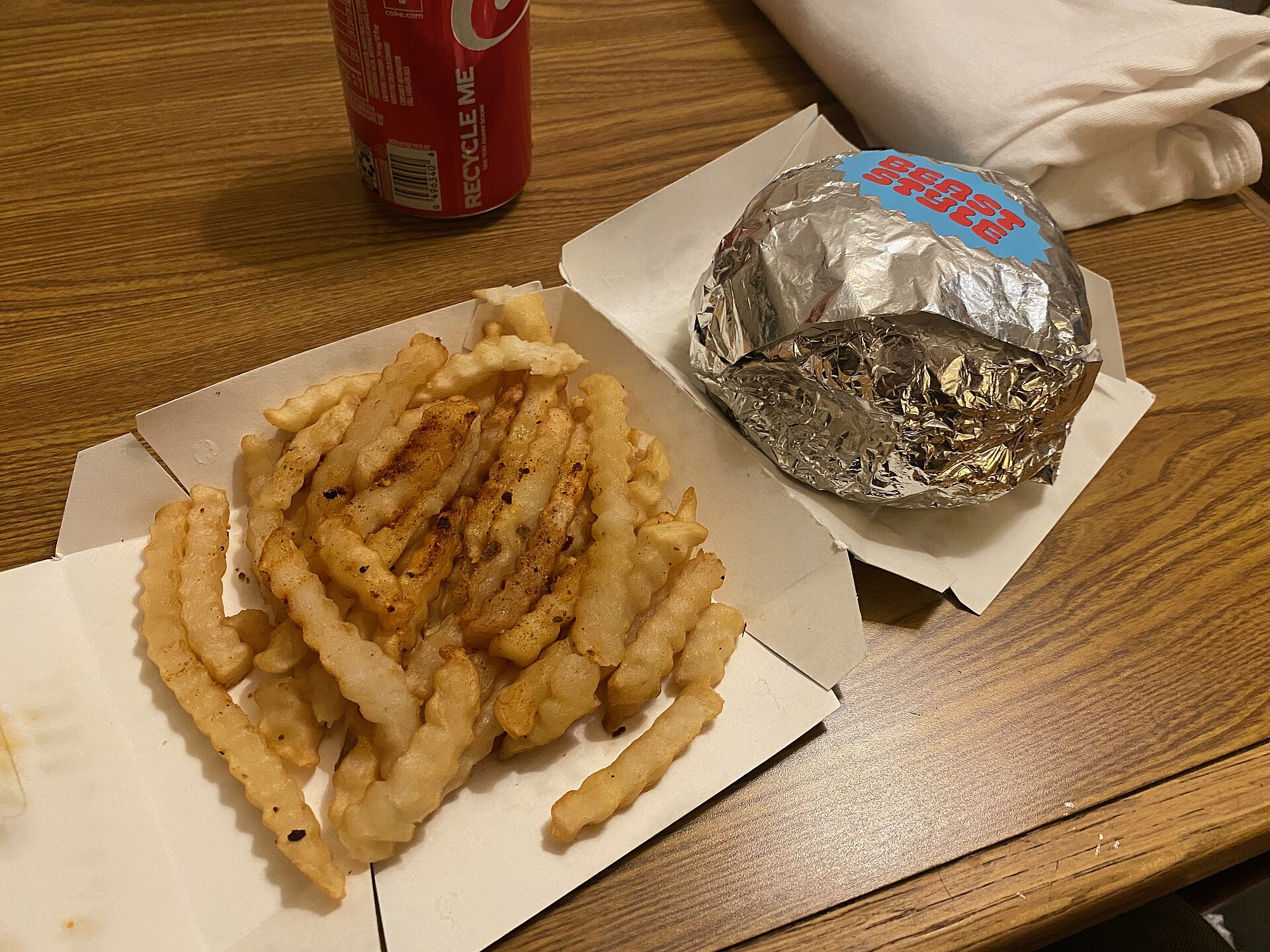
Caroline Bauldree, a 24-year-old nanny in Raleigh, North Carolina, admits to a near-daily habit of ordering food through delivery apps. She does not enjoy cooking and prefers the convenience of having meals brought to her door. However, this convenience comes with a heavy emotional toll. Bauldree describes feeling like a “lazy piece of shit” after placing orders, a sentiment shared by many in her generation.
This phenomenon is known as delivery guilt. The pandemic transformed food delivery apps from niche services in major cities into a national lifestyle. A Purdue University study found that two-thirds of consumers used a food-ordering app at least once in 2024. Another survey by FinanceBuzz and Bank of America revealed that 57% of Americans get takeout or delivery weekly or more. Gen Z leads this trend, averaging five orders a month, which is roughly double the rate of Boomers.
The Cost of Convenience and Hidden Fees
The financial burden of this habit is significant. Bauldree estimates she spends about $75 a week on deliveries. The fees associated with these apps can add up quickly, leading to sticker shock at checkout. Joy Lu, an assistant professor of marketing at Carnegie Mellon University, describes food delivery as an “affordable luxury.” She notes that users often hesitate to discuss their spending because they fear being perceived as wasteful.
According to the FinanceBuzz survey, half of Gen Z respondents felt embarrassed about their delivery spending. Some even lie to friends and family about the amount they spend. Lu suggests that people are uncomfortable admitting they are paying extra money that contributes to company profits rather than just the delivery person or the restaurant.
Regulatory scrutiny is increasing. The Federal Trade Commission is reportedly considering new rules to address undisclosed fees from dynamic and surge pricing. Representatives for Grubhub and DoorDash stated that users see itemized prices before ordering. They insisted there are no hidden costs on their platforms.
Legal Challenges and Economic Pressure
Legal issues have also come to light. Last month, New York City announced a $131.5 million fine against DoorDash for systemic violations of delivery worker laws. The settlement included $115 million for underpaid or late-paid workers. DoorDash described the payment errors as unintentional.
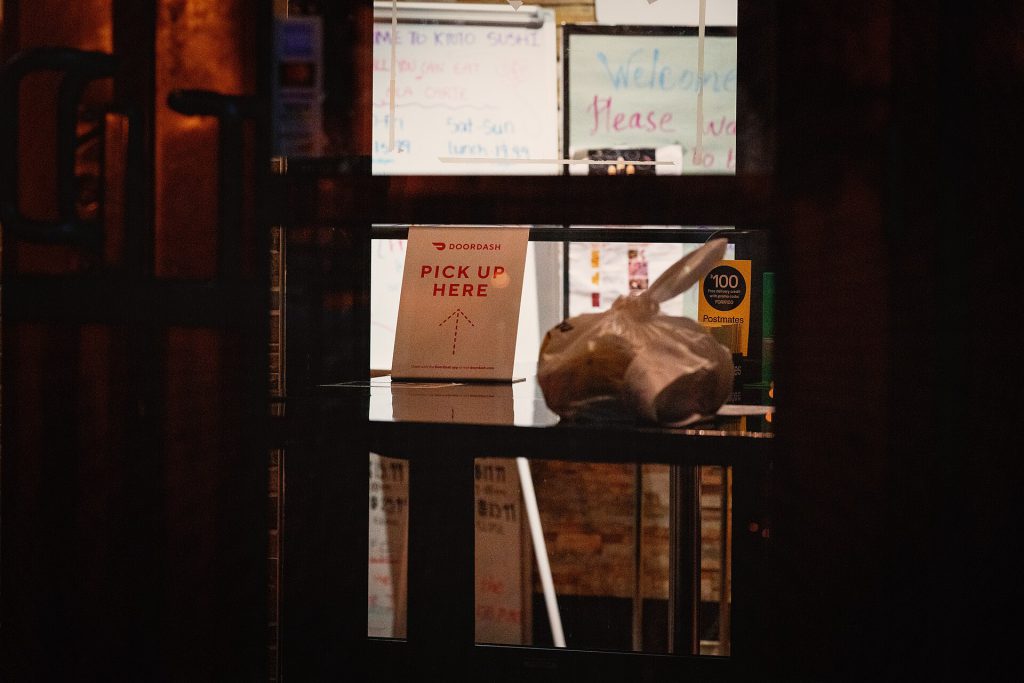
Meanwhile, the cost of groceries continues to rise. The USDA predicts a 2.4% increase in the cost of food at home this year. Some shoppers argue that cooking at home is becoming just as expensive as ordering out. This claim varies by individual circumstances, such as household size and access to grocery stores.
Public figures have also drawn criticism for their delivery habits. New York-based influencer Audrey Peters faced backlash after revealing she spent $136.50 on a single day of meals. Her $19.44 Starbucks latte, which included a 20% tip, particularly angered followers. Peters later told New York magazine that she shared the post to “rage bait” an audience primed to judge her.
Similar to previous generations facing criticism for avocado toast or daily lattes, Gen Z is now blamed for food delivery spending. A Fox News segment suggested that excessive DoorDashing prevents young people from achieving life goals. However, economist Mike Konczal argued this view is misguided. Bureau of Labor Statistics data shows that more of Americans’ food budgets go to groceries than to eating out or delivery.
Bauldree is trying to cut back on her deliveries due to rising rent and car insurance costs. “This economy is not for the weak,” she said. Lu, the marketing professor, does not keep delivery apps on her phone to avoid temptation. She acknowledges that the apps are dangerous for her spending habits.
Source: The Guardian
