


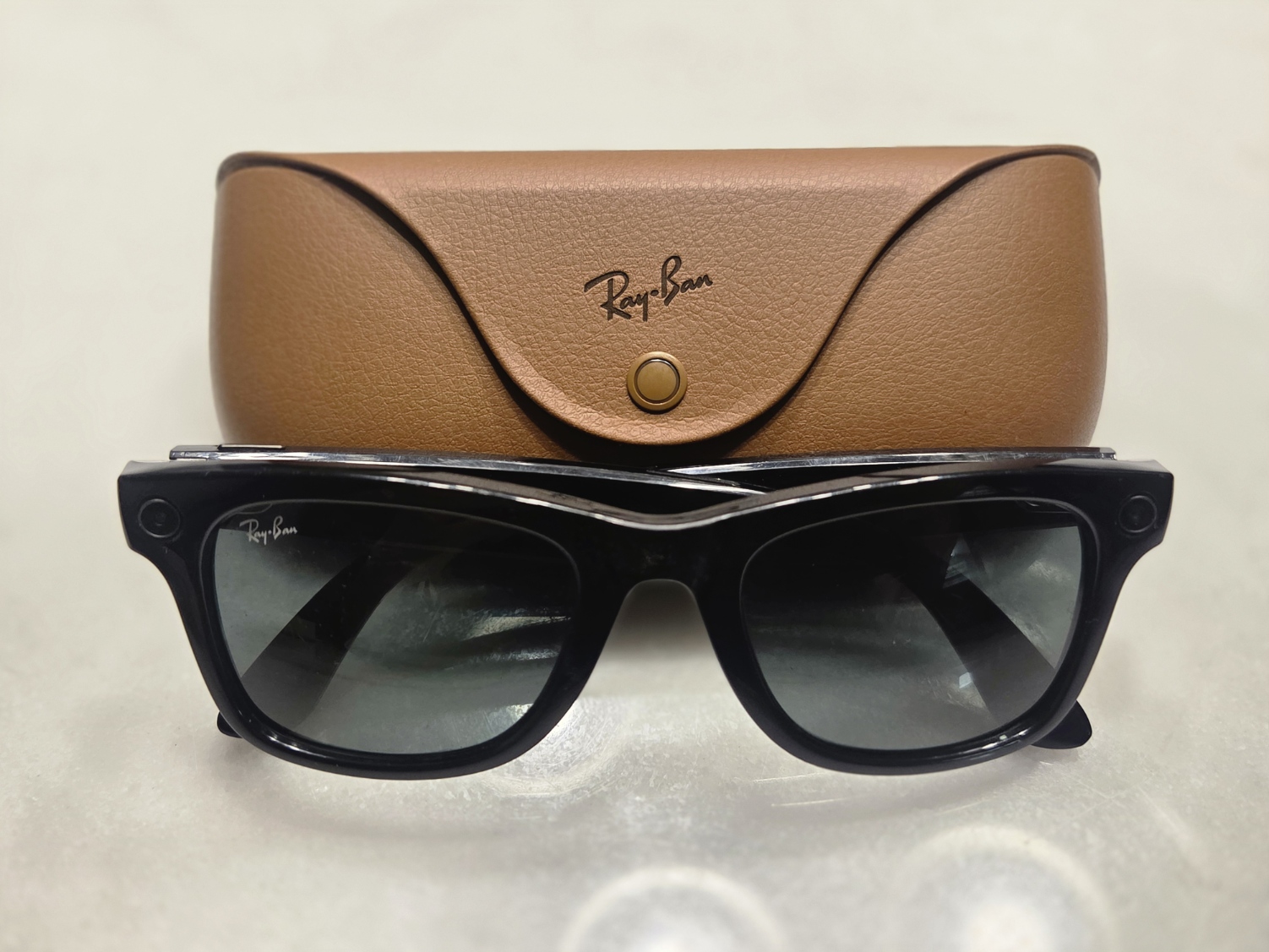
A software glitch in Ray-Ban Meta smart glasses caused the devices to record audio conversations without the wearer’s knowledge or consent. The bug allowed the glasses to capture private discussions even when the wake word “Hey, Meta” was not used and specific activation settings were turned off. Meta has stated that the issue has been resolved, but the incident has intensified existing concerns about the privacy implications of wearable technology.
Unintended Recordings Trigger Privacy Concerns
Users began reporting the issue online this week, with some describing how their devices saved audio logs and text transcripts of conversations they did not intend to record. One Reddit user noted that the problem occurred across multiple pairs of glasses and persisted despite having the “Respond without Hey Meta” setting disabled. The user expressed concern that customers should not have to worry about their private conversations being captured by AI assistants that were not intentionally activated.
Android Authority covered the reports on Tuesday, prompting a response from Meta later that day. The company confirmed that the issue has been resolved and reminded users that they can manage, review, and delete voice logs through the device settings at any time. However, Meta has not disclosed the specific cause of the glitch or confirmed whether a recent firmware update triggered the behavior.

The exact number of affected devices remains unknown. While several users reported the issue, reporters were unable to replicate the problem before Meta implemented the fix. Ars Technica contacted Meta for details on the scope of the bug and measures to prevent similar incidents, but the company had not provided further information at the time of publication.
Broader Privacy Issues Persist
Even a small number of affected devices raises significant privacy questions. The Ray-Ban Meta glasses have faced scrutiny since their launch due to their discreet design, which makes it difficult for others to know when they are being recorded. Although the glasses feature a visible indicator light when recording, this bug demonstrated that recordings can occur even when users believe the device is inactive.
Privacy advocates have long warned about the potential for nonconsensual recording with smart glasses. These concerns were amplified earlier this year by reports from data annotation contractors who viewed footage captured by the devices. Some workers described seeing private activities, such as individuals in states of undress, which were uploaded to Meta’s systems without the knowledge of the wearer or the people in the video.
These reports led to a class action lawsuit in the United States and an investigation by the Texas Attorney General. In response to growing concerns, Meta updated the glasses in August to prevent recording if the indicator light is covered. However, this recent bug highlights that technical errors, rather than just malicious intent, can lead to unintended privacy violations.
The incident has renewed calls for stricter regulations on wearable technology. Several countries, including Norway, are considering legislation to restrict the use of smart glasses in public spaces. The Ray-Ban Meta bug serves as a stark reminder that even well-intentioned users can inadvertently capture sensitive data, underscoring the need for robust safeguards in device design and software updates.
Source: Ars Technica
