


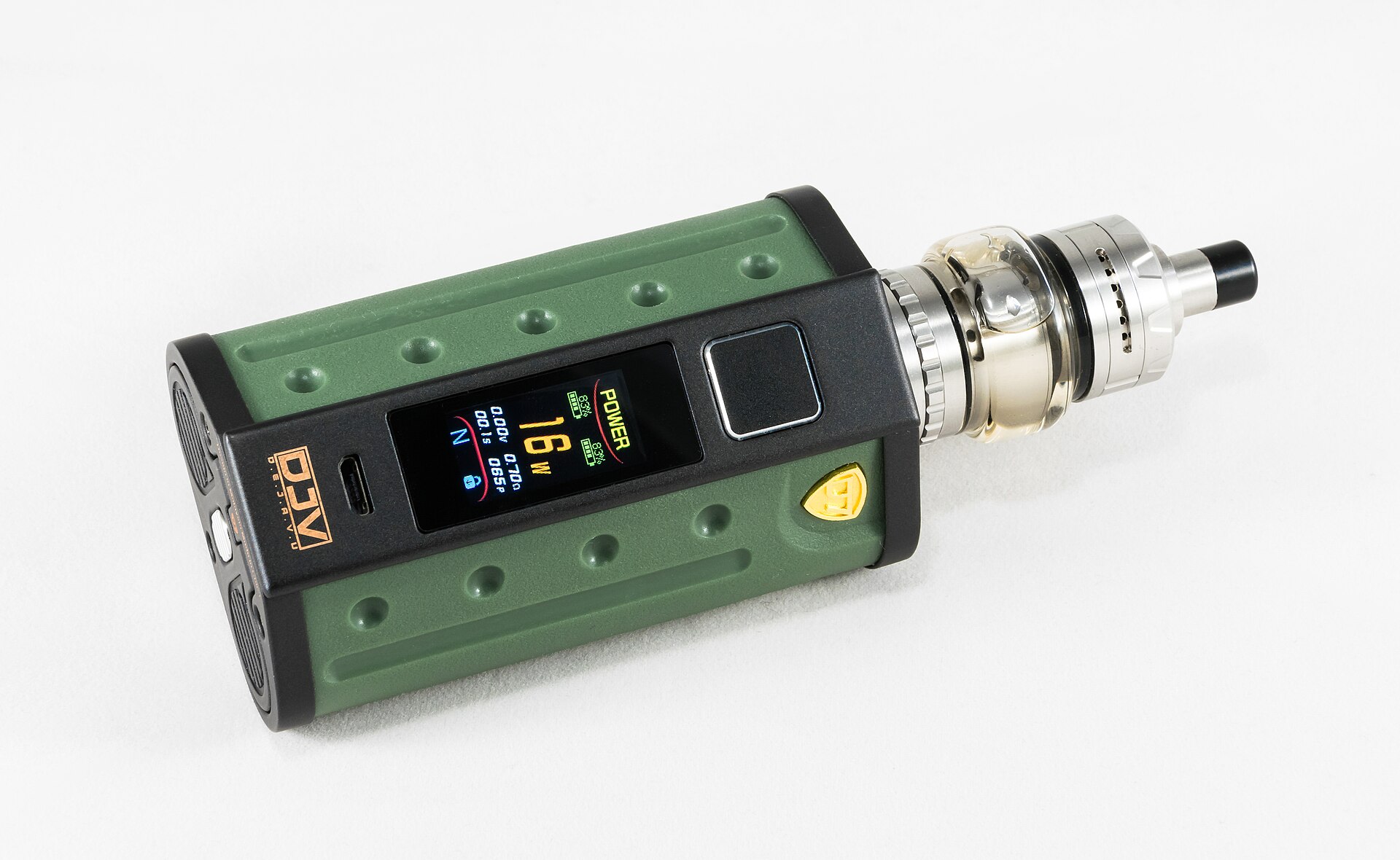
Gracey Mungulu, now 21, remembers the first time she tried a vape at school. The experience left her coughing, not inhaling. She initially found the habit repulsive, asking classmates why they were doing it. Today, she buys a refillable vape every day for £5, using it constantly while working as a hairdresser and in a school.
Gracey is part of a growing demographic in the UK. Recent Office for National Statistics (ONS) data reveals that more than one million people who have never smoked a cigarette now use e-cigarettes. The number has risen year-on-year, with about 5.4 million people aged 16 and over vaping in Britain overall.
The Psychology of the Hand-to-Mouth Habit
For many new users, the appeal is not the nicotine itself, but the physical routine. Gracey says vaping helps when she feels socially anxious. “It’s the hand action,” she explains. “Just having something in your hand, just having something in your mouth.”
She describes the habit as a “mindless action.” During a recent interview, she realized she had been lying in bed, scrolling through Instagram with one hand while holding her vape in the other without thinking.
Dr Helen Wall, a general practitioner, hears this frequently from patients. She notes a psychological dependence where users rely on the device to regulate their emotions. This mirrors the experience of Malin Andersson, a 33-year-old domestic abuse campaigner. Andersson started vaping during a stressful breakup, seeking comfort in the physical action. She calls it “an adult’s version of a dummy” that provides a dopamine hit.
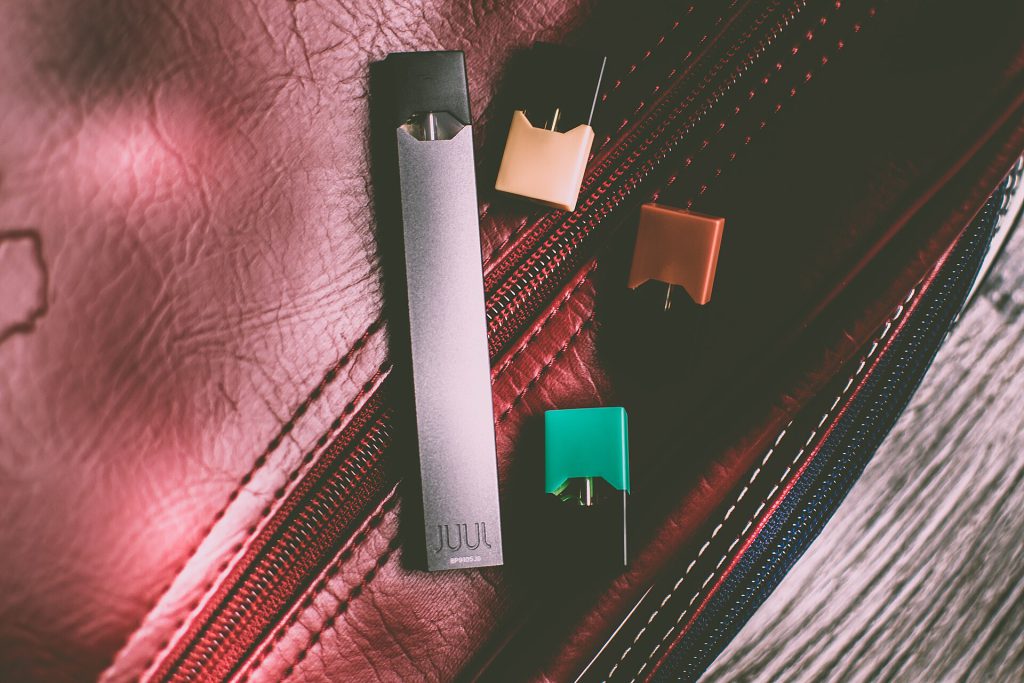
Andersson eventually quit in May this year, frustrated by her reliance on a banana ice-flavoured vape. She threw the device across the room in anger. She reports that her mental and physical health have improved since stopping, noting that the habit had dulled her senses and left her demotivated.
Risks and the Danger of Switching to Smoking
The rise in non-smoker vaping raises concerns about long-term health effects. While the NHS states that vaping nicotine is less harmful than smoking cigarettes, the long-term impacts remain unclear. Nicotine is highly addictive and triggers withdrawal symptoms like irritability and anxiety.
The ONS report suggests that nearly one in six people aged 25 to 34 in the UK may use e-cigarettes daily or occasionally. This age group is the most likely to vape. Professor Sarah Jackson from University College London’s Alcohol and Tobacco Research Group points out that while some of these users might have started smoking otherwise, others are exposed to new risks.
A 2024 UCL study found that nicotine use had risen among young adults in England, even as cigarette smoking declined. This suggests that some individuals are adopting nicotine habits who would not have otherwise.
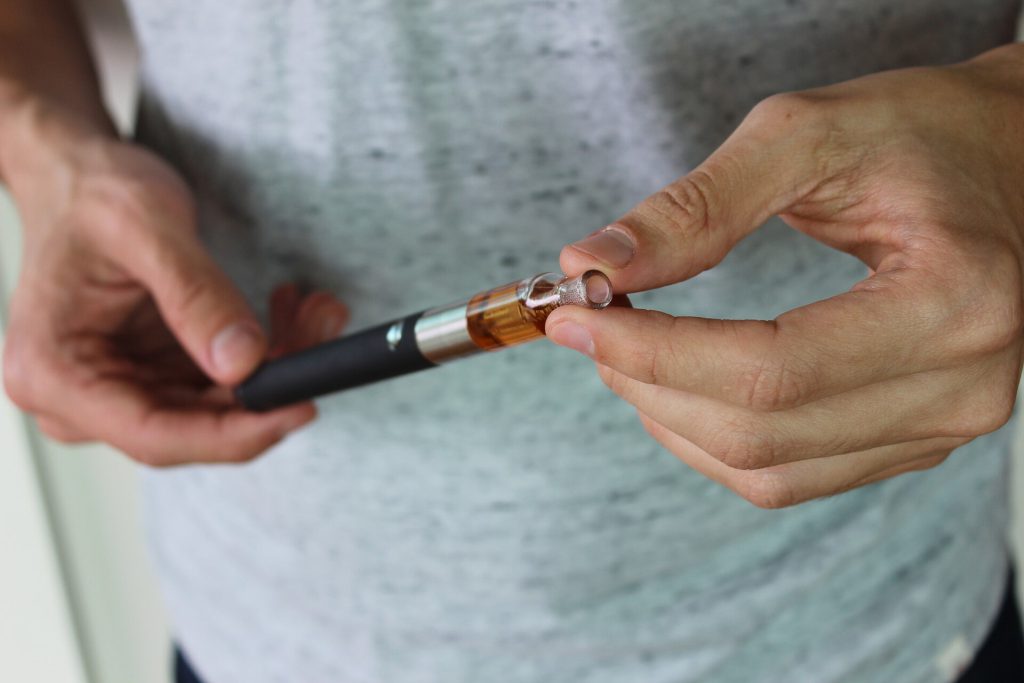
The difficulty of quitting is illustrated by the case of Alex, a 26-year-old from Manchester. She developed a constant vaping habit, often lying in bed with her laptop and vape. When she traveled for several months, she managed to quit vaping due to lack of access. However, without vapes, she began smoking cigarettes for the first time.
Experts warn that cigarettes are not a healthy or helpful way to stop vaping. The NHS strongly advises against smoking, which remains the leading cause of preventable illness and premature death in the UK. Alex’s experience highlights a potential risk where vaping cessation efforts inadvertently lead to traditional smoking.
Marketing, Regulation, and Cessation Support
The marketing of vapes has played a significant role in their popularity. Bright colours and sweet flavours have made them attractive to young people. Hazel Cheeseman from Action on Smoking and Health notes that within the group of non-smokers who vape, many were likely influenced by this prominent marketing.
Dr Wall argues that heavy marketing has created a misconception that vapes are safe and not addictive. Gracey believes vapes should be sold in standardised plain packaging like cigarettes to reduce their appeal. She finds the current flavours and colours too attractive.

The UK government is reviewing vape marketing measures, with a response to a recent consultation expected. Disposable vapes, a key driver of youth vaping, were banned last year. The NHS warns non-smokers and those under 18 to never vape, and it is illegal to sell vapes to anyone under 18.
Support for quitting is inconsistent. A recent survey found that fewer than half of healthcare providers in England offer vaping cessation support. The NHS suggests gradually reducing nicotine strength, increasing time between sessions, or using nicotine replacement therapy. However, professional help remains patchy across the UK.
While smoking rates continue to fall, the shift toward vaping among non-smokers presents a new public health challenge. Dr Wall emphasizes that vaping was originally intended by the NHS only as a replacement for cigarettes, not as a lifestyle habit for non-smokers.
Source: BBC
