


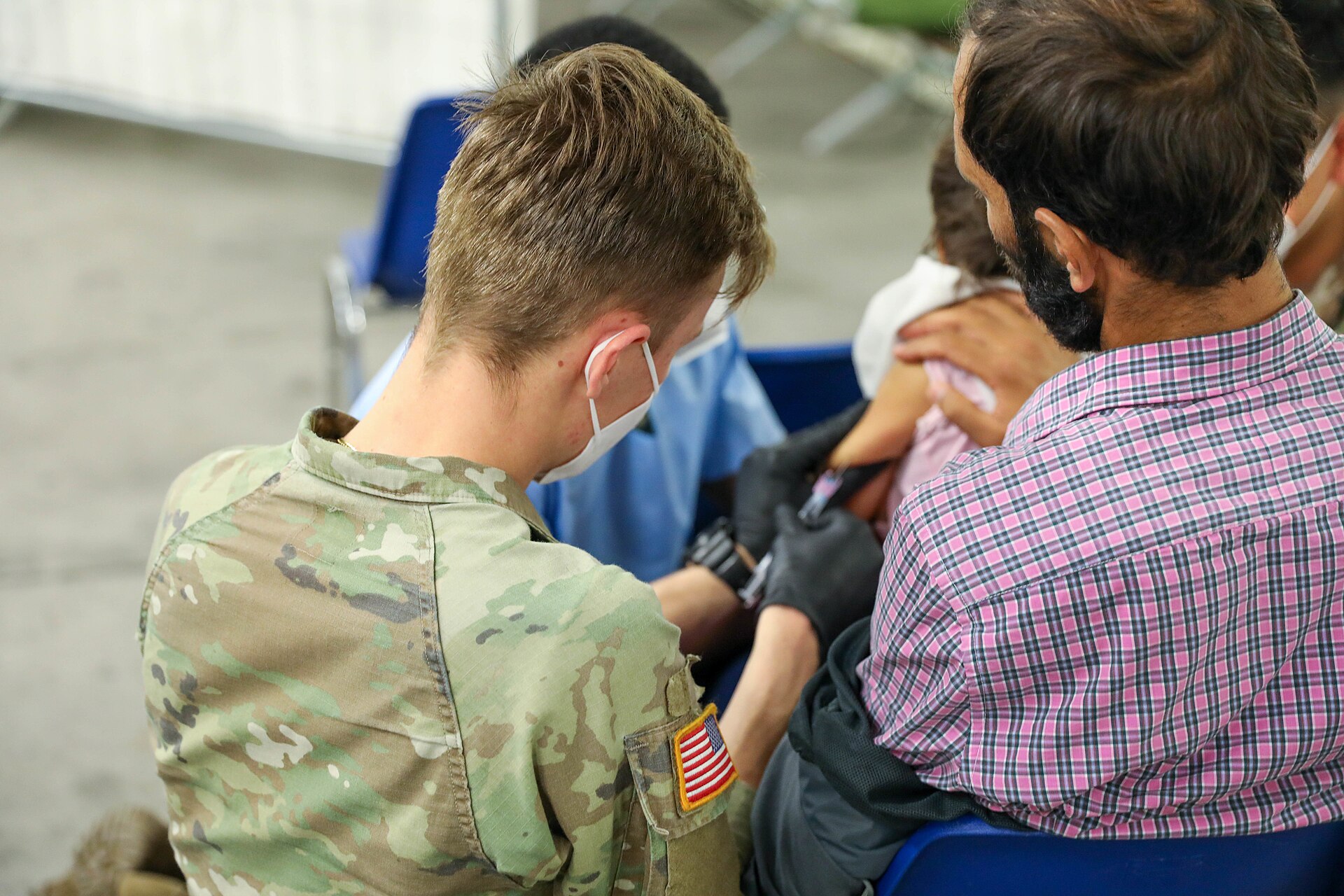
The United States is on the verge of losing its measles elimination status, a designation that would formally recognize the virus as endemic in the country. This shift comes during the nation’s worst measles outbreak since 1991, with more than 5,400 cases reported nationally. The potential loss of status is expected to cement the legacy of Health Secretary Robert F. Kennedy Jr., whose policies have drawn sharp criticism for interfering with vaccine protocols.
Expert Panel Reviews Epidemiological Evidence
A panel of eight independent experts from the Pan American Health Organization (PAHO) is currently reviewing epidemiological data in Washington DC. The PAHO director holds the authority to make the final determination on whether the US retains its elimination status. If the designation is revoked, the US would join Canada and several nations in Europe and Asia that previously eliminated the disease only to see it return.
Dr. Paul Offit, director of the Vaccine Education Center at Children’s Hospital of Philadelphia, described the potential loss of status as “a tremendous step backwards.” He emphasized that measles is already endemic in the US regardless of the official label. “Measles has a foothold in the US,” Offit said. “We’re going to see it this year, we’re going to see it next year,” citing a critical decrease in vaccination percentages as the primary driver.
Deaths and Shifting Demographics
The outbreak has resulted in six deaths in Pennsylvania this year alone. The toll also includes a child who died in New York on election day and an infant in Wisconsin shortly thereafter. Nearly every state has an active outbreak, with the Johns Hopkins University International Vaccine Access Center tracking the spread.
The demographic profile of those contracting measles has shifted significantly since the vaccine was licensed in 1963. While measles was historically a childhood disease, two-thirds of infected individuals in Pennsylvania are now adults. Researchers have noted rare cases of congenital measles, where mothers have transmitted the virus to their babies during birth, a phenomenon not seen in previous decades.
Dr. David Margolius, director of public health in Cleveland, Ohio, warned residents to locate proof of their measles vaccination immediately. Without documentation, individuals exposed to the virus face either a blood test to check immunity or a 21-day quarantine. Cleveland health authorities have already engaged in extensive contact tracing, reaching out to people exposed in hospital waiting rooms and elevators.
Political Interference and Systemic Strain
The crisis unfolds against a backdrop of political turmoil. The Trump administration has faced backlash for appointing Stephen Miller as chief of staff, a move Kennedy supported by stating, “Next to me, Stephen Miller is the strongest Maha supporter in the administration. It’s time to unleash the Kraken.” This appointment coincides with increased scrutiny from new Democratic lawmakers elected on promises to hold Kennedy accountable.
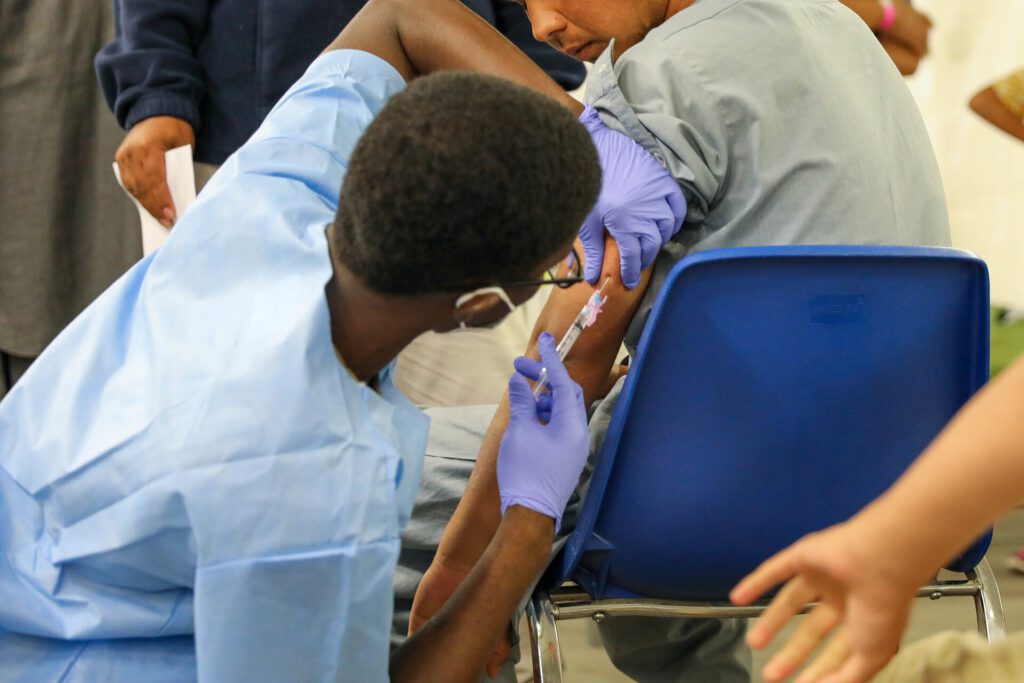
The Centers for Disease Control and Prevention (CDC) has seen its response capacity hampered by staff reductions of up to one-third. Kennedy has also been accused of interfering with the reporting of measles deaths and spreading misinformation about the MMR vaccine, which is 97% effective when two doses are administered.
Global efforts are also suffering. The US withdrew from the World Health Organization and the Global Vaccine Alliance (GAVI) in 2024. GAVI provides measles vaccines to countries like India and Malawi, where measles remains a leading cause of death among unvaccinated children. Domestically, federal cuts to health insurance are expected to leave 17 million people uninsured by 2034, complicating efforts to connect vulnerable populations with vaccines.
Despite the political climate, Margolius noted that vaccine hesitancy was rising before the current administration took office. “This could happen even under a more pro-public health administration,” he said. However, he stressed that cooperation with international health agencies is essential. “Until we can rejoin the WHO and cooperate with other health agencies all over the world … This will continue,” Margolius said.
Source: The Guardian
