


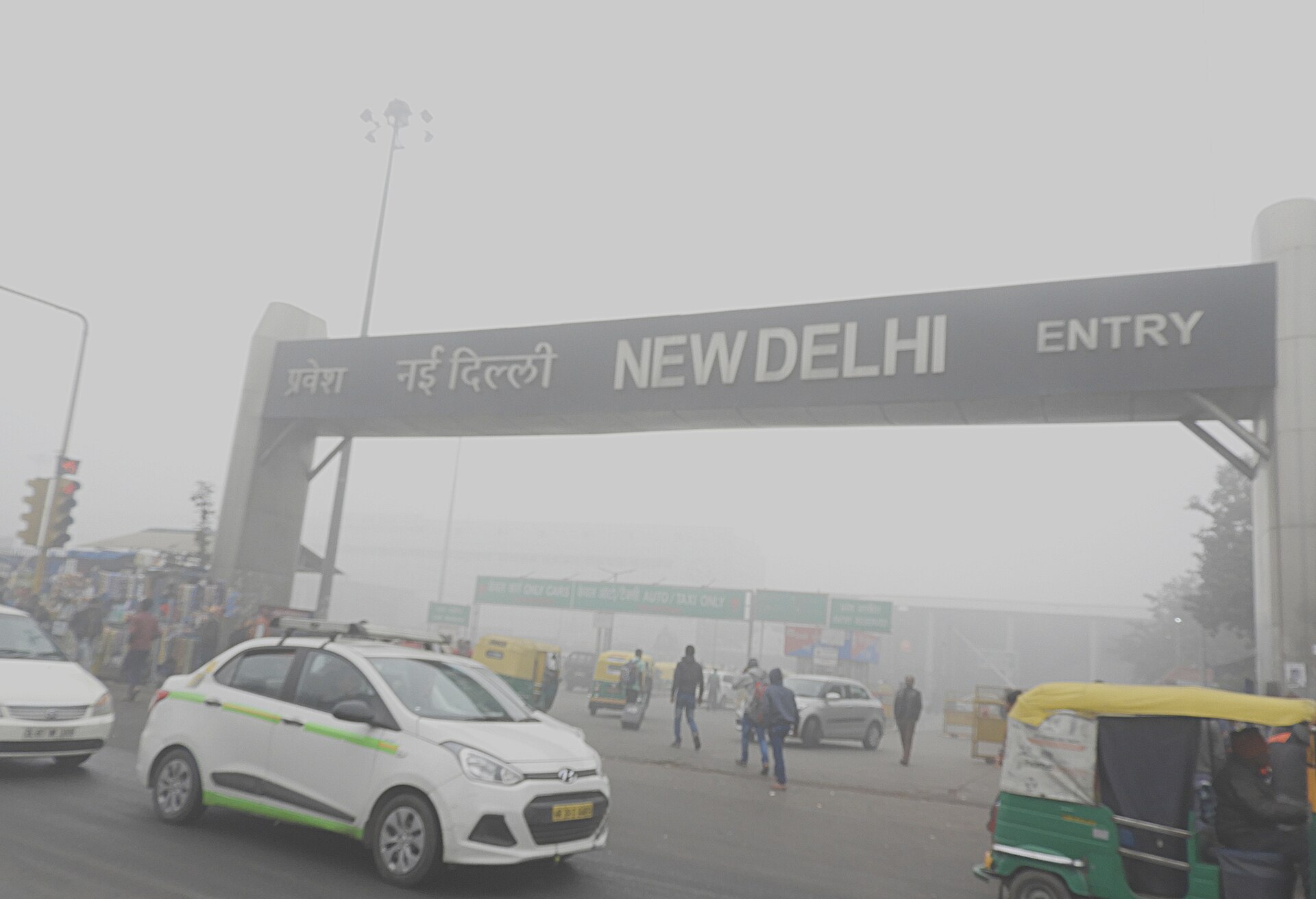
Air quality in northern India has deteriorated sharply as the region enters its annual winter pollution cycle. The smog is colliding with the busiest window for foreign visitors, creating challenges for the travel industry and hotel operators in the capital.
On Saturday morning, November 7, Delhi recorded a U.S. Air Quality Index (AQI) value of 581, according to reports citing data from Swiss air monitoring company IQAir. This reading made it the most polluted major city in the world at that moment. Readings above 301 are classified as hazardous.
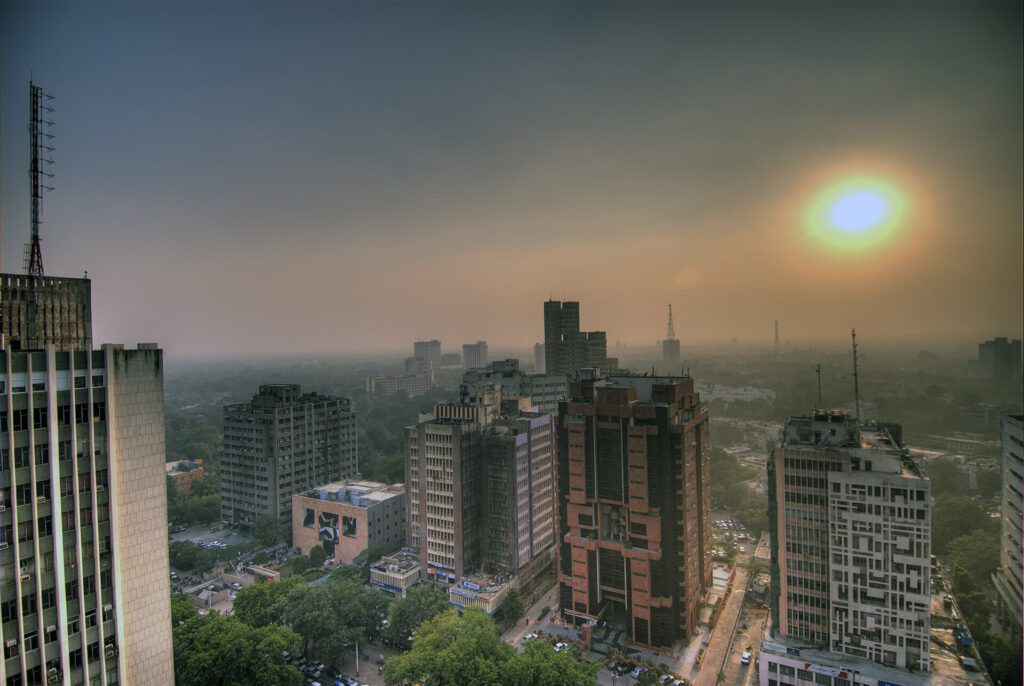
The situation is driven by geography and seasonal events. The region sits on the Indo-Gangetic Plain, where the Himalayas block air from flowing north, trapping emissions from late October to February. This natural barrier is exacerbated by the use of firecrackers during Diwali celebrations, which typically occur in this window.
Impact on Hotel Demand
October to March is the busiest period for inbound tourism to India, with Delhi serving as a common entry point for international travelers. Hotel operators are already seeing the effects of the poor air quality on booking trends.
Ashwani Kumar Goela, Radisson’s vice president of operations in India, stated that some guests are deferring or postponing visits until conditions improve. He noted that air quality concerns are more pronounced than during the same period last year and are likely contributing to softer demand for accommodations.
While some operators are adjusting to the reality of winter travel, others are maintaining their schedules with modified protocols. Intrepid Travel confirmed that its operations are continuing as planned with no cancellations. However, the tour operator has equipped its tour leaders with N95 masks and reduced outdoor activities on the worst days to protect participants.
Regulatory Limits and Health Risks
Efforts to mitigate the pollution have had limited success. India’s Supreme Court restricted Diwali firecrackers to “green” versions within set hours. Despite these measures, pollution levels spiked significantly. According to the Center for Study of Science, Technology & Policy, PM2.5 hourly concentrations peaked at around 10 times India’s daily limit of 60 micrograms per cubic meter on Diwali night.
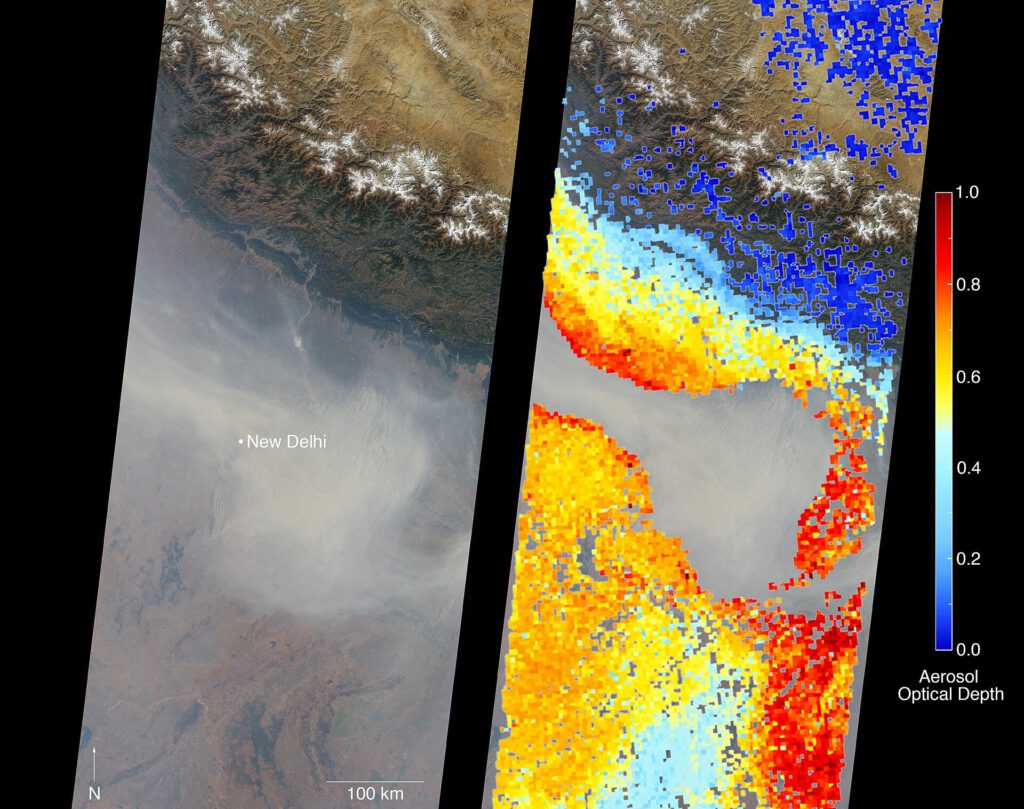
The current crisis unfolds against a backdrop of broader challenges for India’s tourism sector. The country welcomed 9.2 million foreign tourists in 2025, a decrease of 9.4 percent year over year. This figure falls short of the government’s target to attract 100 million international arrivals by 2047.
As the winter season progresses, masks have become a standard accessory for travelers and residents alike. While they offer immediate protection, they are widely viewed as a temporary solution to a structural problem fueled by ongoing emissions. Air quality in Delhi has since dropped to an hourly reported value of 176, but the threat of hazardous conditions remains as the peak tourism months continue.
Source: Skift
