


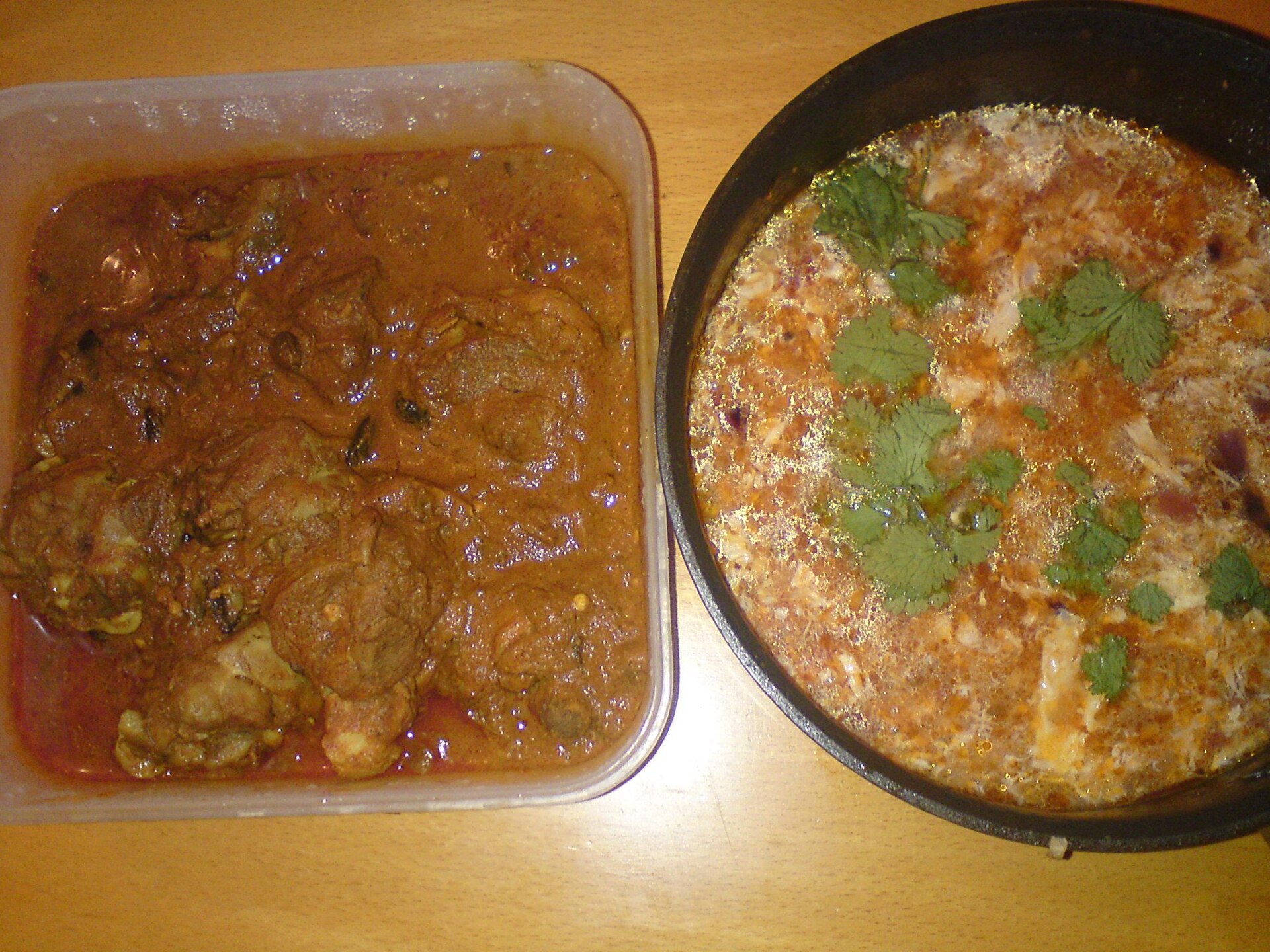
Leeks have become a staple in the kitchen of Ranie Saidi, a Malaysian chef who moved to London over a decade ago. She uses the vegetable in two distinct dishes that highlight its gentle sweetness and ability to blend into rich sauces. The first is a chicken gulai where the leeks melt into coconut cream, and the second is a batch of potato croquettes paired with peas and a tangy dip.
Saidi notes that the mild flavor of leeks reminds her of banana shallots, a common ingredient in her home country. She has incorporated them into her daily cooking routine to add depth to both savory curries and fried snacks. Her recipes are drawn from her new book, The Malay Cook: Everyday Malaysian Recipes from Grandma’s Kitchen to Mine, published by Ryland Peters & Small.
Chicken gulai with coconut and leeks
The chicken gulai is a dish where coconut cream takes the lead, distinguishing it from kari, which relies more heavily on dry spices. Saidi describes the dish as rich and comforting, best served over steamed white rice. The preparation involves marinating skin-on, bone-in chicken thighs in a mixture of ground coriander, salt, turmeric, and curry powder.
To cook the dish, the chicken is seared skin-side down in a large pan until golden, then set aside. The same pan is used to sauté sliced leeks, fresh ginger, torn makrut lime leaves, and bird’s eye chillies. Once the leeks have softened, water is added to deglaze the pan, followed by tamarind paste, turmeric, and coconut cream.
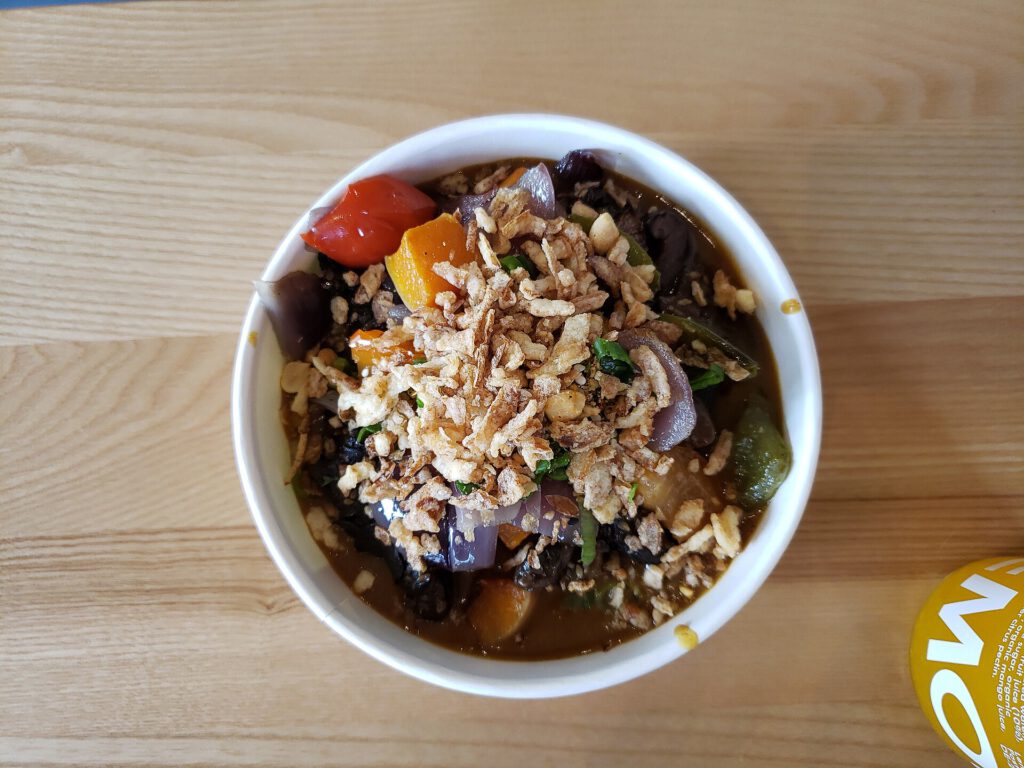
The chicken is returned to the pan along with wedges of floury potato. The mixture is covered and simmered gently for 15 to 20 minutes until the chicken is cooked through and the potatoes are tender. Saidi recommends serving the dish with plenty of the gulai sauce spooned over the rice.
Potato croquettes with orange chilli dip
The second recipe features bergedil, also known as begedil or perkedel, which are popular street-food snacks across Malaysia, Singapore, and Indonesia. While traditional versions often include minced meat, Saidi’s variation uses mashed potatoes, frozen peas, and a mix of fresh herbs including coriander, mint, and dill.
The process begins by boiling unpeeled potatoes until fork-tender, then mashing them smooth. In a separate pan, sliced leeks are cooked in oil until softened and lightly browned. These cooked leeks are mixed into the mashed potatoes along with the peas and herbs. The mixture is shaped into small patties, which can be frozen for up to two months before frying.
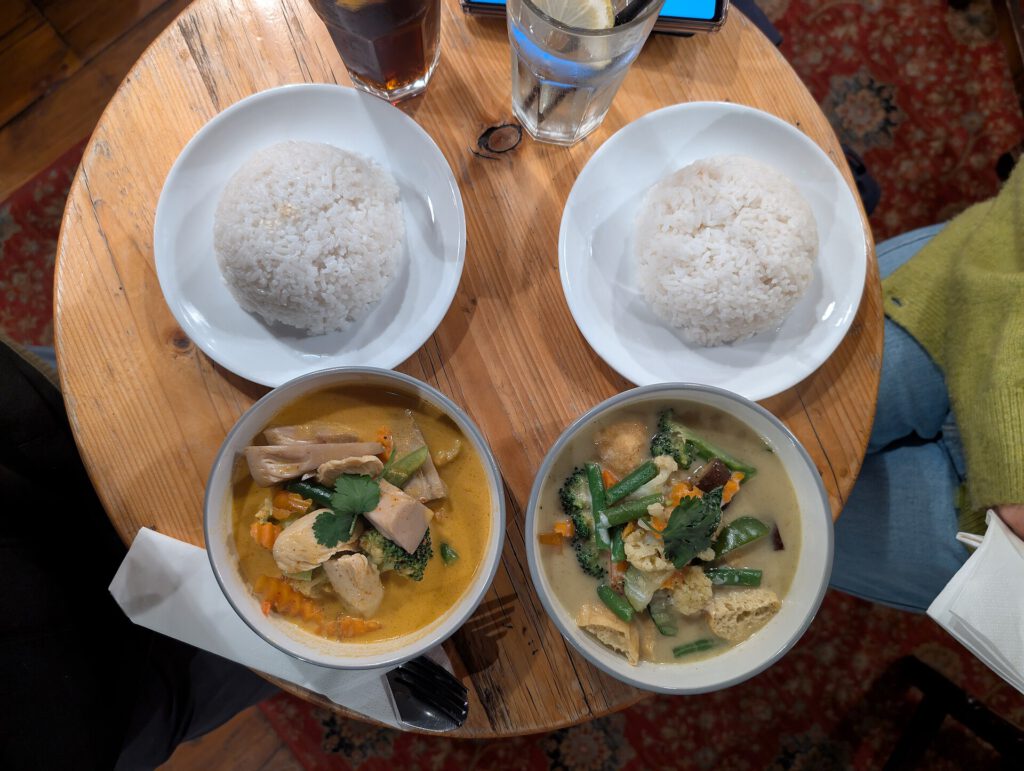
Before serving, the croquettes are coated in cornflour and beaten egg, then fried in hot oil until evenly golden. Saidi notes that these croquettes are comforting and child-friendly when served on their own. However, she adds that the accompanying dip gives them a kick for adults. The dip is made by blending fresh orange juice, sweet soy sauce, garlic, bird’s eye chilli, coriander, and reserved fried leeks, then stirring in Greek yoghurt.
Saidi suggests serving the warm croquettes with noodles or fried rice on the side. The recipes require about 15 minutes of prep time and 45 minutes of cooking time for the gulai, while the croquettes take 15 minutes to prep and 45 minutes to cook. The gulai serves three to four people, and the croquettes make 15 pieces, suitable for five to seven people.
The Malay Cook: Everyday Malaysian Recipes from Grandma’s Kitchen to Mine is available from Ryland Peters & Small. Copies can be ordered for £22.50 through the Guardian Bookshop.
Source: The Guardian
