


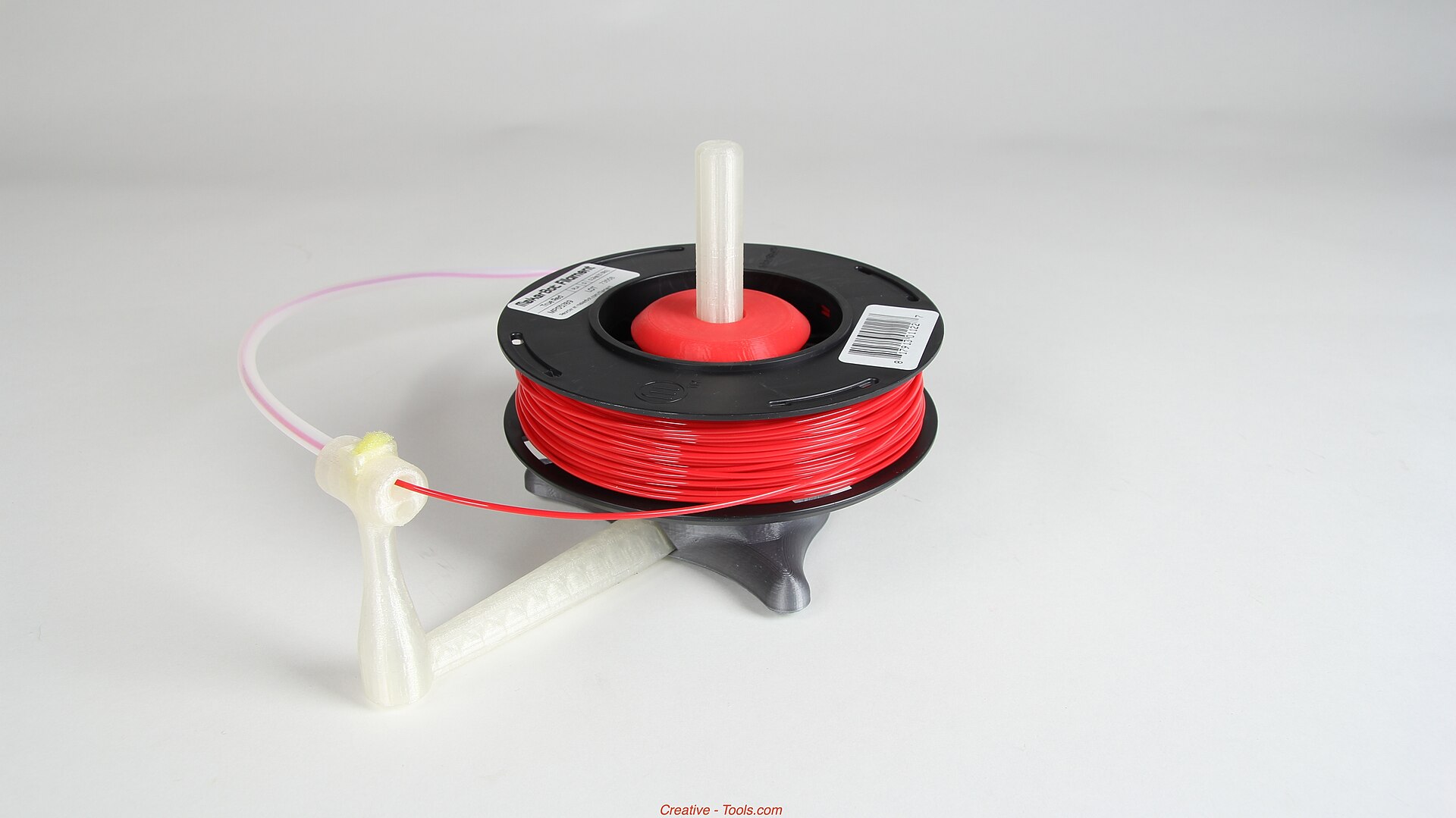
Prusa has introduced Prusament PETG ESD, a new electrostatic-dissipative (ESD) 3D printing filament designed for electronics manufacturing. The material combines polyethylene terephthalate glycol (PETG) with carbon fiber and carbon nanotubes to safely handle static-sensitive components. Priced at $56.99 per spool, it is currently the most affordable option in its category.
Prusament PETG ESD Pricing and Composition
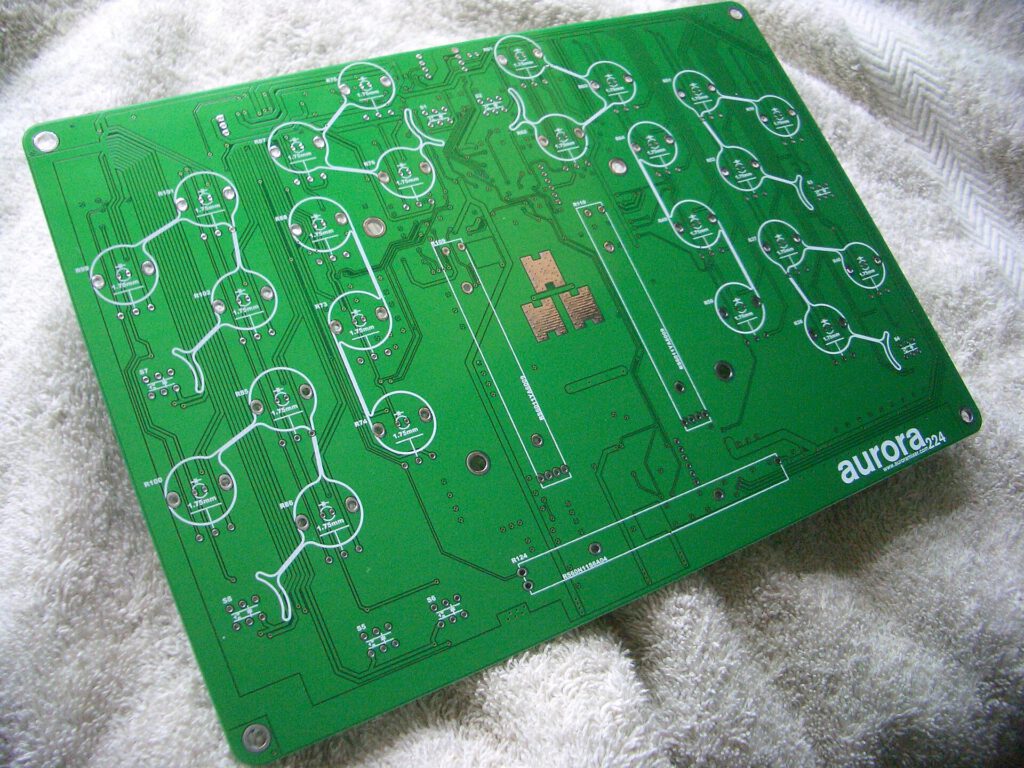
The new filament targets professional electronics production rather than hobbyist projects. It is intended for creating PCB fixtures, soldering holders, and IC trays that protect sensitive circuit boards from electrostatic discharge. Prusa positions the product as a cost-effective alternative to CNC-machined ESD trays, allowing manufacturers to print fixtures on-site with minimal lead time.
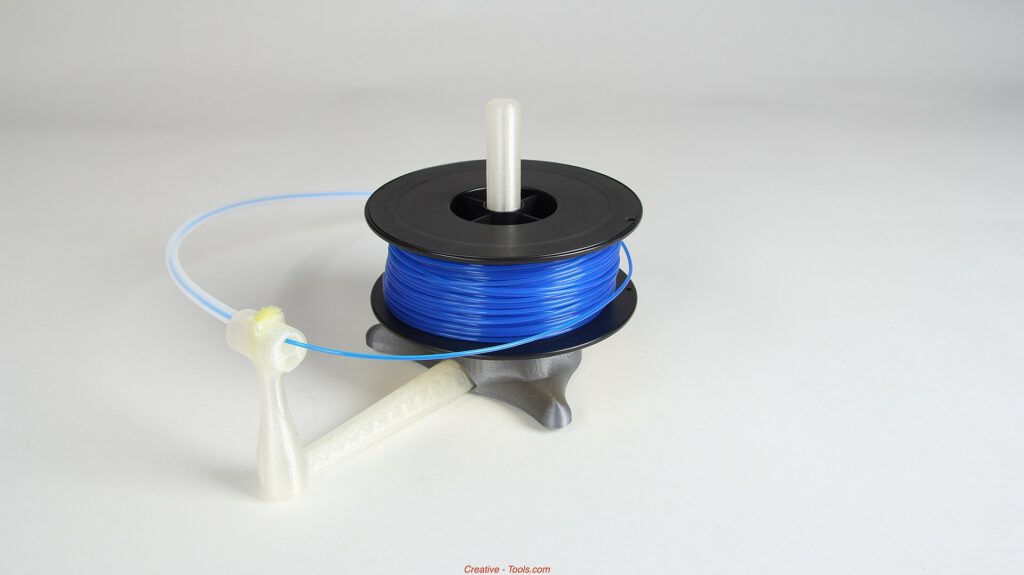
While standard non-ESD filaments like PLA or regular PETG are often safe for general enclosures, they do not dissipate static energy. Prusa states that the inclusion of both carbon fiber and carbon nanotubes in Prusament PETG ESD improves dimensional accuracy and reduces warping compared to earlier ESD materials. The company notes that the filament offers increased stiffness and reduced toughness, properties similar to its existing Prusament PETG Carbon Fiber line, though the specific carbon fiber content may differ to prioritize ESD performance over raw strength.
At $56.99, Prusament PETG ESD undercuts competing products. 3DXTech sells its ESD-PETG for $105, and Polymaker’s Fiberon PETG-ESD retails for $65.98. Prusa is the first manufacturer to combine carbon fiber reinforcement with carbon nanotubes in an ESD filament, a combination that aims to enhance both structural integrity and static dissipation.
Internal Use and Production Applications
Prusa utilizes the new filament in its own manufacturing processes to prevent overcoating edges when powder coating print sheets. The company suggests that indie hardware developers and small-scale manufacturers can use the material to improve production lines without investing in expensive specialized equipment. The filament is suitable for creating holders for testing multiple boards simultaneously, streamlining workflows in electronics assembly.
Prusa has not yet published a full datasheet detailing the mechanical strength of the new material. Independent testing of its strength profile is expected in the future. Until then, the company relies on its internal production experience to validate the filament’s performance. The product page highlights specific use cases, including custom fixtures for soldering and transport, demonstrating its practical application in professional settings.

The release of Prusament PETG ESD expands the options available for static-safe 3D printing. By lowering the entry price for carbon-fiber-reinforced ESD materials, Prusa makes it more accessible for smaller operations to adopt static-safe practices. The filament is available for purchase through Prusa’s official channels.
Source: Tom’s Hardware
