


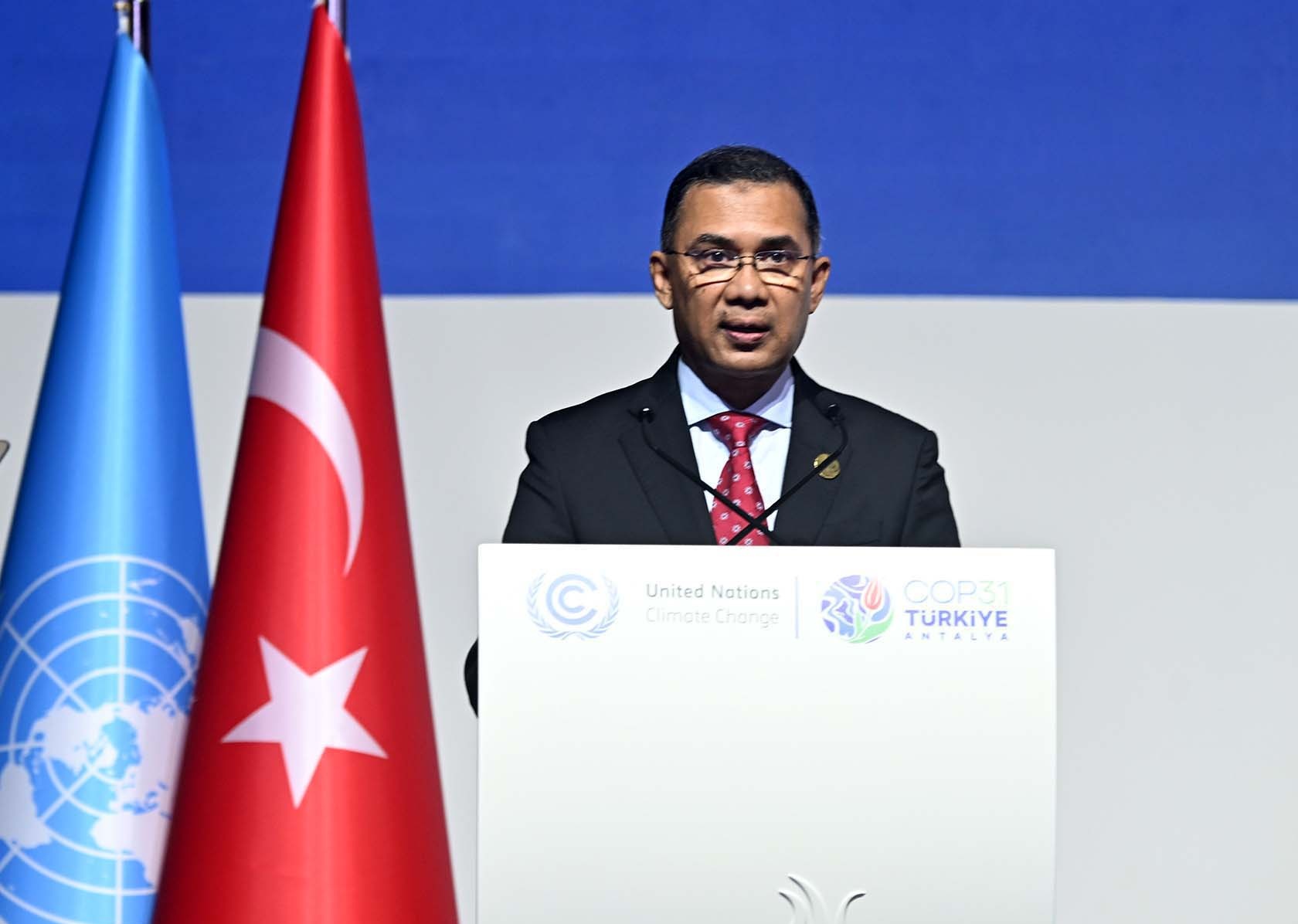
Delegates at the COP31 climate conference in Antalya, Türkiye, have adopted a new set of standards designed to safeguard the accuracy of climate data generated by artificial intelligence. The Priorities for Action on AI and Climate Information Integrity were introduced on Friday by the Global Initiative for Information Integrity on Climate Change, a partnership co-led by the United Nations, UNESCO, and Brazil.
The initiative addresses a growing concern that while AI tools are increasingly used to disseminate environmental data, they often prioritize fluency over factual accuracy. The Independent International Scientific Panel on AI, established by the UN General Assembly last year, has warned that generating coherent text is significantly easier for these systems than producing verified information.
Transparency and Accountability Standards
The newly released priorities urge technology companies to evaluate how their algorithms influence public understanding of climate change. Developers are expected to publish their findings and disclose the environmental footprint of their operations, including energy consumption, water usage, and land impact.

Charlotte Scaddan, a senior advisor for information integrity at UN Global Communications, emphasized that the core issue is not whether AI is inherently beneficial or harmful to the climate. Instead, the focus is on whether the public can trust the information provided by these systems. “The question isn’t simply whether AI is good or bad for the climate. It’s whether people can rely on what they’re told by AI and about it,” Scaddan said.
These guidelines build upon the Belém Declaration on Information Integrity on Climate Change, which was adopted during COP30 in Brazil, and align with the UN Global Principles for Information Integrity. The framework is grounded in human rights principles and calls on member states to incorporate information integrity into their national AI strategies and climate action plans.
Advertising and Disaster Response Risks
Concerns about misinformation are particularly acute during climate emergencies. Reports indicate that AI-generated images and videos can spread more rapidly than official warnings during disasters, potentially causing confusion or panic. To address commercial aspects of this issue, the conference also saw the launch of the Charter for Climate Information Integrity in Advertising.
Jake Dubbins, co-founder of the Conscious Advertising Network, stated that the charter aims to tackle the monetization of disinformation and climate denial. The agreement requires transparency throughout the advertising supply chain, ensuring that advertisers know where their ads appear while respecting user privacy.

Financial support for these initiatives is already underway. Germany has pledged over $2.2 million to fund research, develop communication strategies, and run public awareness campaigns related to climate information integrity.
COP31, which runs until 20 November, is currently addressing ten priority themes, including clean energy transition, electrification, zero waste, and climate-resilient cities. The conference has highlighted the tangible impacts of climate change, from flooded homes to melting glaciers in the Himalayas, as world leaders debate measures to protect vulnerable communities.
Source: UN News
