


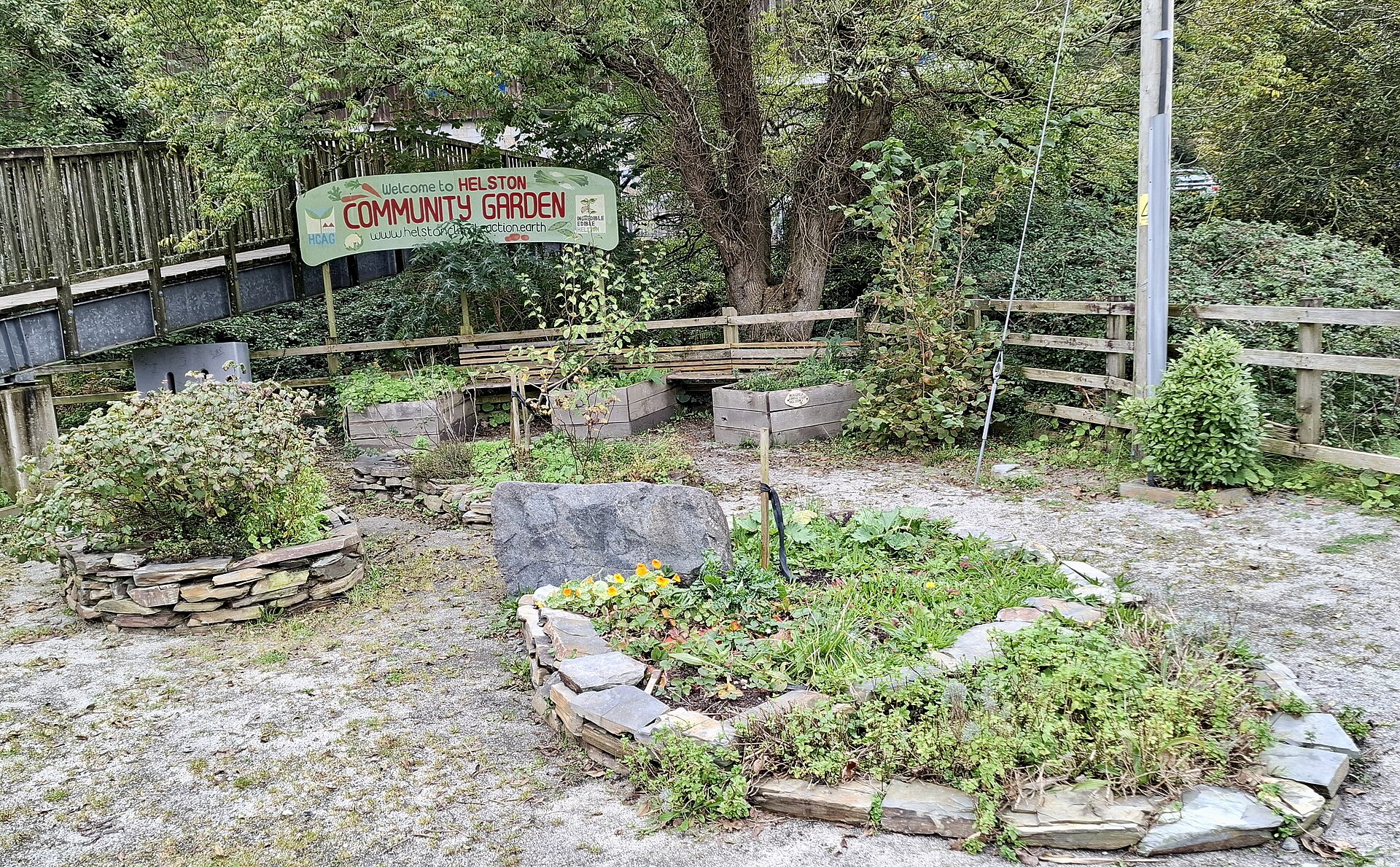
More than 100 patients in Cornwall are seeing improved health outcomes through a unique initiative that treats vegetables as medicine. The WellFed program, described as the first of its kind in England, provides free weekly boxes of produce alongside group cooking and gardening sessions for individuals with type 2 diabetes or prediabetes.
Participants in the harbourside town of St Ives recently gathered at a community orchard to prepare a low-glycemic shepherd’s bake. The group, which included retirees and local residents, chopped Swiss chard and diced carrots while learning to manage their conditions through diet. This hands-on approach marks a shift from traditional clinical treatments to community-based prevention.
WellFed Cornwall Shows Measurable Health Gains
A preliminary impact report by the Centre for Climate Change and Social Transformations indicates that participants have reported better blood sugar control, weight loss, and improved wellbeing. The data shows that the average HbA1c level, a key marker for long-term blood glucose control, dropped from the diabetic range to the pre-diabetic range during the intervention period.
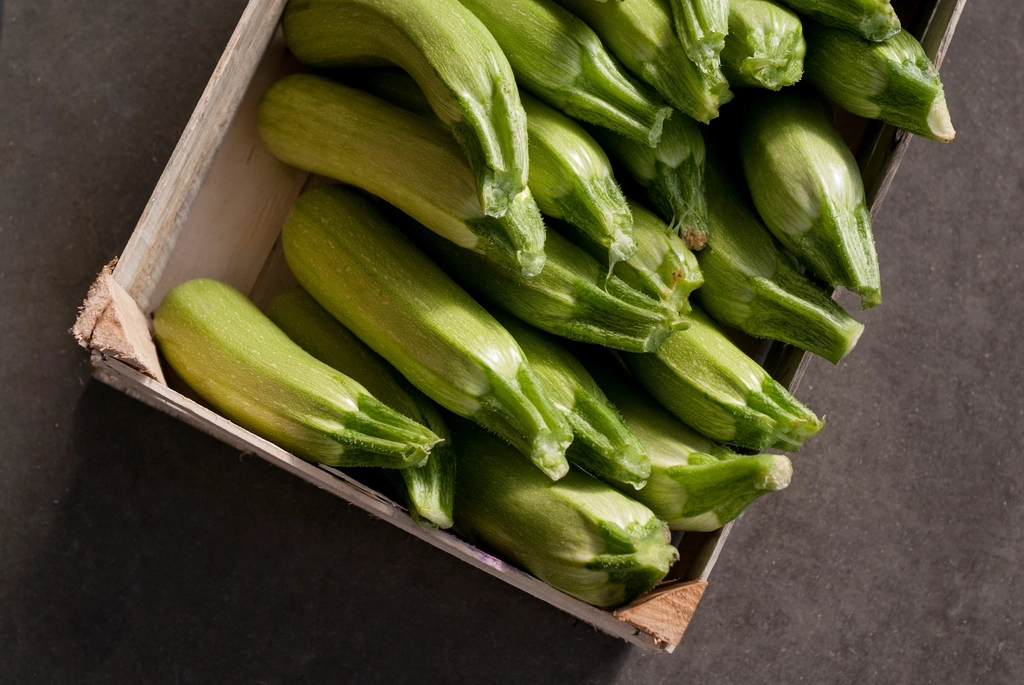
Chris Longthorp, a 74-year-old participant, saw his HbA1c level fall from 50 to 42 after joining the scheme. He noted that his previous diet consisted mainly of meat and sweet treats. “I feel fitter and coming to these sessions is fun,” Longthorp said. Diabetes UK states that an HbA1c level above 48 increases the risk of complications affecting the eyes, kidneys, and feet.
Other participants have reported similar successes. Mike May, a 68-year-old retired engineer, reduced his HbA1c from 78 to 43. Michael Waller, 64, lowered his level from 64 to 47 after switching from processed snacks to vegetables and pulses. These results have drawn attention from health officials across the UK who are monitoring the pilot for potential replication.
Community Roots in Diabetes Management
The program operates across 20 sites in Cornwall, ranging from Launceston in the east to the Isles of Scilly. GPs from more than 20 surgeries have referred patients to the scheme, which is delivered by Volunteer Cornwall and funded by the local council and the NHS.
Dan Rainbow, a GP in St Ives, emphasized the preventive nature of the project. “We spend so much of our time treating disease and illness but this is about creating health,” he said. He noted that despite perceptions of wealth in some areas, significant deprivation exists in Cornwall, where pre-diabetes rates are higher than the national average.
Participants have also highlighted the social benefits of the program. Tracey Lyne, a 67-year-old childminder, described the sessions as a “green gym” that combines physical activity with mental wellbeing. She replaced microwaved meals with fresh produce, noting that cooking with a vegetable box is both quick and rewarding.
If the final results align with the preliminary findings, the program could expand beyond Cornwall. Health chiefs in other regions are watching the outcomes closely to determine if a vegetable prescription model can be adopted nationally.
Source: The Guardian
