


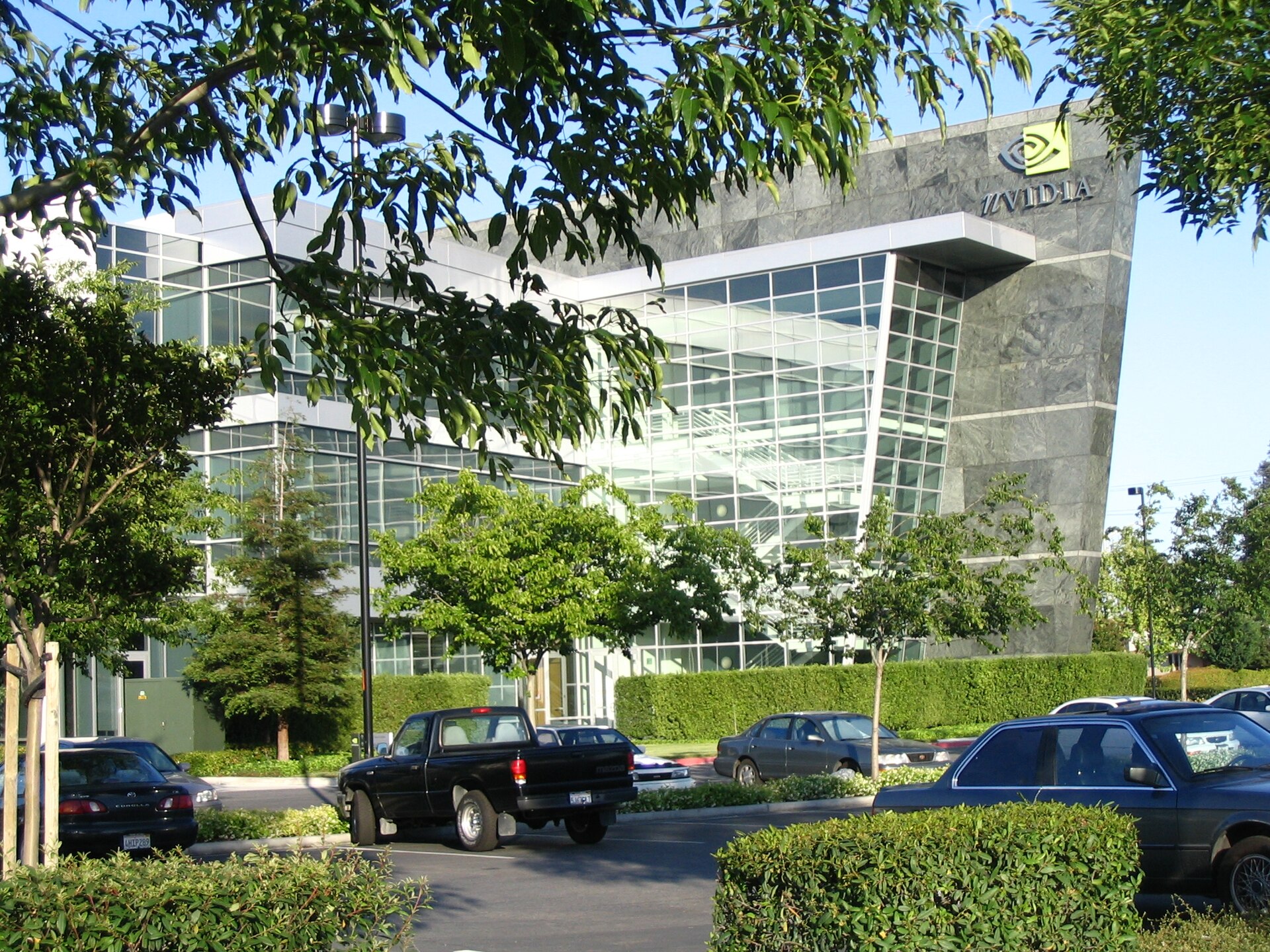
Nvidia, a company valued at nearly $4 trillion, is navigating a severe leadership crisis after CEO Jensen Huang was forced out of his position. The departure of the 63-year-old cofounder has sent shockwaves through Silicon Valley and the broader technology sector. His exit follows revelations of extramarital affairs, including one with a businesswoman suspected by US intelligence of being a Chinese spy.
Leadership Transition and Security Concerns
CFO Colette Kress has temporarily assumed the role of CEO while the board searches for a permanent successor. The investigation into Huang’s conduct began after The New York Times reported in late October that US intelligence agencies suspected Alice Huang, an executive at Singapore-based Megaspeed International, of being tapped by China’s Ministry of State Security. The two were reportedly involved in an intimate relationship.
Jensen Huang acknowledged the affair in an internal memo, stating, “I was unfaithful to my wife. My actions hurt her and our children. There is no excuse for what I did. I am deeply sorry.” The board launched an independent review to determine if Jensen Huang had been targeted by a foreign intelligence operation. Concerns were further amplified by reports that Megaspeed purchased over $4.8 billion in Nvidia chips over two years. Additionally, The Information reported that Alice Huang facilitated at least $7.5 billion in chip shipments to Chinese firms, raising questions about potential violations of US export controls.
The situation escalated further when The New York Times reported a second alleged affair between Jensen Huang and Kimberly Powell, Nvidia’s vice president of healthcare. The following day, Jensen Huang was removed from the company and its board. Hours later, Reuters cited sources claiming a third affair with another Nvidia employee.
Market Volatility and Global AI Impact
Nvidia controls nearly 90 percent of the market for advanced AI chips, making it a critical pillar of the global technology infrastructure. Major tech companies including Microsoft, Google, Amazon, and Meta rely on Nvidia hardware for their AI data centers. The leadership vacuum has introduced uncertainty for these partners and the broader AI industry.
Financial markets reacted swiftly to the news. Nvidia shares rose 1.8 percent in premarket trading on Friday, recovering slightly from an 11 percent loss earlier in the week. Despite the slight rebound, the company is on track for its longest streak of weekly losses since October 2012. The instability also dragged down broader indices, with the S&P 500 and Nasdaq futures falling. Shares in Nvidia customers, such as South Korea’s Naver, dropped more than 5 percent.
In China, investors sold shares in AI-linked companies due to fears that the scandal could deepen the technological divide between Washington and Beijing. Shares in Z.AI tumbled more than 10 percent, while rival MiniMax hit record lows. A Reuters review identified over $3 billion in Chinese computing projects built around Nvidia’s restricted processors, highlighting the chipmaker’s deep embeddedness in China’s AI expansion despite US export controls.
US President Donald Trump, who had previously defended Jensen Huang as a “genius,” suggested former Apple CEO Tim Cook as a potential replacement. “A Legend replaces a Legend,” Trump wrote on social media. Nvidia stated it would consider candidates from both within and outside the company. UBS analyst Timothy Arcuri noted that the company’s willingness to pursue deals may pause in the near term, as Jensen Huang was a key driving force for industry partnerships.
Source: Al Jazeera
